Beauty of Wine and Grape Juice

The presence and evidence of wine has been traced to the first and second millennium in China and from there, production of wine has been found to also exist during 5000-6000 BC in the Mid-East.  Wine evolved and technology began to advance during the Roman Empire as vineyards were cultivated and wine was stored and shipped in barrels.  Today, researchers provide us with the latest DNA results concerning the progress of the fruit and it’s spirit.

After much DNA research on grapes in the countries of Australia, France and Italy the studies have concluded that the next two-four years of wine production should be exceptional due to the optimal quality of the grape. “The cultivated heterozygous grape species, Vitis vinifera, has potential to become a model for fruit trees genetics after determining it’s genome sequencing”, according to the IASMA Research Center, San Michele all’Adige, Trento, Italy.   Agriculturalists will benefit from this research by quickly identifying and reducing the number of micro-organisms or parasites that are bringing harm to the plant, allowing the farmers to produce a more stable product.  The consumers can look forward to a higher quality wine, which will be more readily available.

Italian wines have consistently outpaced the French and Spanish wines over the past few years. Recent statistics released in a survey done in Los Angeles, CA have shown young Americans and women to perfer: Chianti Classico, Pinot Grigio (Alto Adige and Friuli), Barolo, Barbaresco and Brunello.  However, countries that are competing for a place in the local cantina are: Africa, Argentina and Portugual.  All who have found ways to provide a table wine that will elegantly enhance the simplest to priciest of dinners.
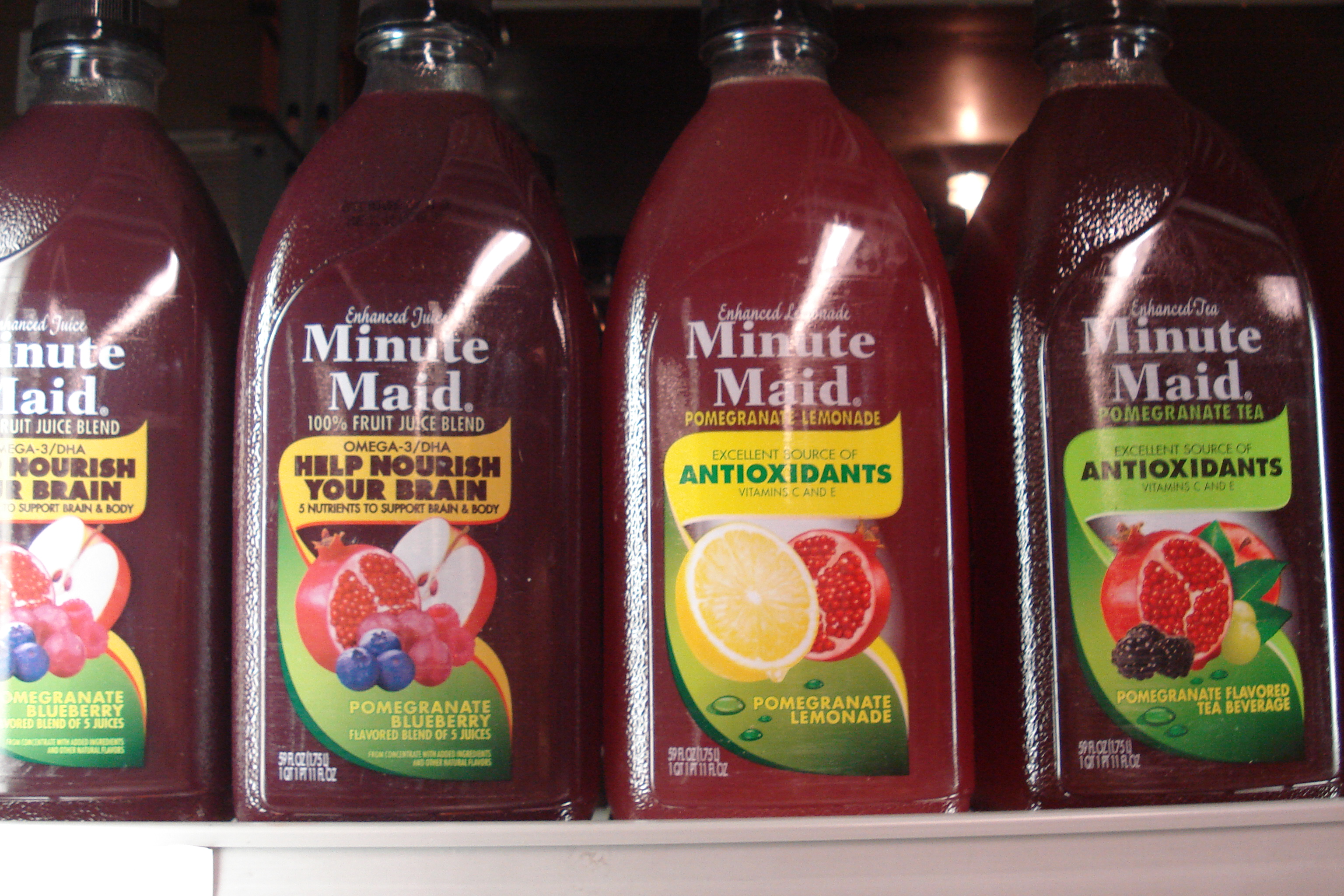
              Recent information in the media presents the  medicinal benefits of wine and juice content of fruit (i.e. Minute Maid), which comes from a chemical compound called Resveratrol (also found in peanuts, soy, cranberries, blueberries, and Itadori tea which maybe a good substitute for red wine) linking it to possible human longevity.  What is known about resveratrol is that it is produced in the skin of red/purple grapes and it’s main purpose is to operate as an anti-fungal agent or an anitbiotic.  It transfers to the juice of the fruit during crushing and fermentation. It’s typically found in red wines, but not white wines. 

Resveratrol is a phenolic compound that can be found where grapes grow in colder climates such as: Northern CA, MI, Canada and North European countries.  This is because rainfall is more and sunlight is less, hence the need for resveratrol to fight against developing fungi.

Medicinal resveratrol has been evident when 1 glass of wine is consumed daily, permitting the blood cells to smoothly pass each other instead of sticking to one another and creating potential blood clots that lead to heart disease. According to the AWRI (Australian Wine Research Institute), Resveratrol is being studied to determine it’s effect on damaged DNA and how it may act as an anti-cancer agent. “It appears related to anti-oxidation, where resveratrol may prevent and repair damage to DNA associated with the initiation of cancer, as well as acting to prevent the growth and proliferation of cancer cells, both at the gene and cell level.”

One cup serving of grapes yields: 57 calories, 6 grams of protein, 16 grams of carbohydrates, 2 mg of sodium, 1 gram of dietary fiber and vitamins A and C.

One glass of red wine yields: 4 oz 85 calories, sodium 6 mg, total carbohydrates 2 g.

by: Kimberly Crocker Scardicchio

Global Literature Research

  1. Perspectives in Nutrition, Sixth Edition Wardlow, Hampl, DiSilvestro
  2. Fundementals of Anatomy & Physiology 6th Edition, F. Martini
  3. pubmed.gov PLoS ONE. 2007 Dec 19;2(12):e1326.
  4. http://www.awri.com.au/industry_development/wine_and_health/faqs/
  5. http://www.foodanddrinkeurope.com/news/ng.asp?n=66631-grape-genome-wine
  6. http://194.177.100.52/comunicati/doc/2350-gbChiusuraVinitalyUs07.doc
  7. Pubmed Jennifer Burns, Takao Yokota, Hiroshi Ashihara, Michael E. J. Lean, and Alan Crozier*Plant Products and Human Nutrition Group, Division of Biochemistry and Molecular Biology, IBLS, University of Glasgow, Glasgow, G12 8QQ, U.K., Department of Human Nutrition, Glasgow Royal Infirmary, Queen Elizabeth Building, Glasgow, G31 2ER, U.K., Department of Biosciences, Teikyo University, Utsunomiya 320-8551, Japan, and Metabolic Biology Group, Department of Biology, Faculty of Science, Ochanomizu University, Otsuka, Bunkyo-ku, Tokyo 112-8610, Japan                 
Tea’s Combat: Weightloss, Anxiety, Cholesterol, High bp

 “Kava kava Tea has been used to treat anxiety/nervous disorders, migraines, hyperactivity in children, insomnia, menstrual cramps, UTI and bladder problems.  Kava was used by the Germans in the 1890s for pharmaceuticals relating to blood pressure; before then, it was utilized by the Polynesians”, based on collected research at A 2 Z Health, Beauty and Fitness.

Today, Kava is used as a non-addictive way to sooth nerves and relax. In , small recommended doses, no side effects have been found for Kava. However, large dosages of Kava can have a sedative effect, which means that one should avoid alcohol, driving, and operating heavy machinery when taking heavy amounts. Talk to your doctor before consuming Kava tea if you have liver disease.

The “kava” lactones, which are the plant chemicals that produce the desired effects, have been studied in the use of relaxing stiff muscles by blocking signals in the user’s nerves.”

Additional safety studies have been done on Kava.  Negative research has been denounced by Polynesian countries who have used  the plant’s health benefit’s for 3000 years.  Leading others to put into question how the plant is processed and sold  in such countries as Germany and Switzerland.  It should also be noted that the Polynesian lifestyle has been recognized for their longevity, to which Kava has been a contributing factor.

Black Tea  is grown from a tree in higher elevations of China, India, Japan, Sri Lanka. The healing benefits of  black tea has been used throughout history for medicinal purposes. It helps relieve diarrhea, lowers cholesterol levels and helps prevent tooth decay. The tea has a therapeutic effect on gastric and intestinal illnesses because of its tannins. To get the maximum benefit for diarrhea let the tea steep for a full 15 minutes.

Black teaimproves circulation,  by opening the capillaries and normalizing blood pressure (bp).  Benefits are noticed by simply drinking 2 cups of black tea 2x’s a day for 3 weeks.  Additional benefits are contributed to the theophylline in black tea that helps improve cholesterol levels. It also has been known to expand the airways, improving on easier breathing for asthmatics.  Black tea also helps with preventing tooth decay due to the Fluoride, a trace element found in black tea, which strengthens tooth enamel.

Oolong Tea  is made by allowing the raw leaves to sun-wilted and bruise, which exposes their juices to the air, so the leaves oxidise and start to turn brown like a cut fruit. They oxidise only partially, giving them a rich, floral flavour. The tea is then dried fully; locking in the rich flavors that oolong tea is known to offer. Oolong’s unique drying process creates a tea that has many metabolic stimulating attributes, therefore, it comes in a wide range of tastes and aromas from teas very close in taste to green tea to those very close to black tea.

Health Benefits

Oolong tea burns over 157% more fat than Green Tea and has become the most popular tea designed to accelerate weigh loss!!!  Drinking two cups of Oolong tea every day helps shed stubborn pounds by boosting your metabolism and blocking the fattening effects of carbohydrates.

Large quantities of polyphenol in Oolong tea:

  • • promotes strong, healthy teeth;
    • improves cognitive functioning and mental well-being;
    • preventing eczema, allergies
    • clarifies your skin, giving it a healthy, radiant glow and
    • strengthens your immune system.
  • Studies show in Japan and USA that it may be an effective adjunct to treating Type 2 Diabetes.

Only three teas have been discussed, however, many varieties are known to bring a wide range of health benefits.  So end your day by unwinding with a cup of Chamomile tea. 

By: Kimberly Crocker

Literature Research

  • Safety of Kava
  • Anon. FDA Issues Warning on Kava Suplement. St. Louis Post-Dispatch, March 26, 2002.
  • Anon. Kava Use Not Linked to Liver Damage, Report Says. Vitamin Retailer, April 2002.
  • Anon. NNFA Releases Expert Analysis of Kava Safety. Whole Foods, April 2002.
  • Blumenthal, Mark. The Safety of Kava Questioned. Whole Foods, March 2002.
  • Duke, James A. Dr. Duke’s Essential Herbs. New York: St. Martin’s Paperbacks. 2001.

Control Obesity, Control Pathologies???

PLEASE VIEW!!!  Dr. Oz, a nationally renowned Physician, conducts a round table discussion on “Obesity and Diets” that may or may not contribute to pathologies.  What do we really know about nutrition and how it should be individualized?  Does obesity then relate to our hormonal and biochemical make-up?  What we do know is that an individual can change their DNA (as related to predipostion) make-up based on a two year dietary intake.

Globally, research is being done on nutrition and it’s impact leading up to certain pathologies.  The North American diet, with the exculsion of Alaska, is not healthy.   It has been shown that individuals in Asia, South Europe (mediterranean) and Central America have biomarkers that are healthier than what is found in other parts of the world.  Could this be related to the “essesntial fatty acids” found in omega 3, commonly found in fish and various seafood?  Could it be related to lifestyle, more walking and working with ones hands or more rest?  I look forward to hearing from the readers and what their experience has been.

Great information not commonly known amongst the public at large.

Dr. Mehmet Oz, Columbia Presbyterian Medical Center (GUEST HOST); Gary Taubes, Journalist; Dr. Dean Ornish, Founder and President, Preventative Medicine Research Institute; Dr. Barbara Howard, Amer… (more)
Added: August 25, 2007
Category:  News & Politics

List of Cholesterol and Triglyceride Reducing Foods

Must Read: Triglycerides, How They Are Influenced”  and Calculate Cholesterol, Choose TLC Menu Plan”  both articles provide a better over view of how to confront cholesterol and achieve reduced total cholesterol.

Choose your foods wisely to improve your daily nutritional intake, and cleanse your body, optimizing it’s overall function in keeping you healthy. Highlighted words will take you to healthy recipes.

Various foods, beverages and spices are known for reducing, or interfering with bad cholesterol (LDL) and carrying it out of the body.

  •  Fruits and Vegetables (totaling 9 per day)
  • Teas 2-4 cups a day
  • Extra Virgin Olive Oil 2 -3 Tablespoons
  • Cinnamon:  1-4g (1/3 tsp – 1 1/2 tsp a day)
  • Ginger (250 mcg/day capsule form)
  • Honey 3 1/2 tablespoons / day

Maybe applied to any Meal Plan of choice.   Before doing your grocery shopping choose five foods from each catagory to buy and put in your refrigerator…………………

FRUITS choose 4 for daily consumption.

  • Apples, 1/2 cup
  • Apricots: Dried, cooked, unsweetened 1/2 cup
  • Banana, raw 1 medium
  • Cantaloupe, raw About 1/2 cup diced
  • Grapefruit juice 3/4 cup. If taking statins avoid grapefruit.
  •  Honeydew, Cantaloupe & Watermelon 3/4 cup
  • Nectarine, raw 1 medium
  • Orange juice 6 ounces 
  • Peaches: Dried, Cooked, Unsweetened 1/2 cup
  • Pears: Dried, uncooked 1/2 cup
  • Pomegranate,  1 medium
  • Prunes, dried, cooked, unsweetened 1/2 cup
  • Prune juice, unsweetened 1/2 cup
  • Raisins 1/4 cup
  • VEGETABLES choose 5 for daily consumption. Click on for recipe.
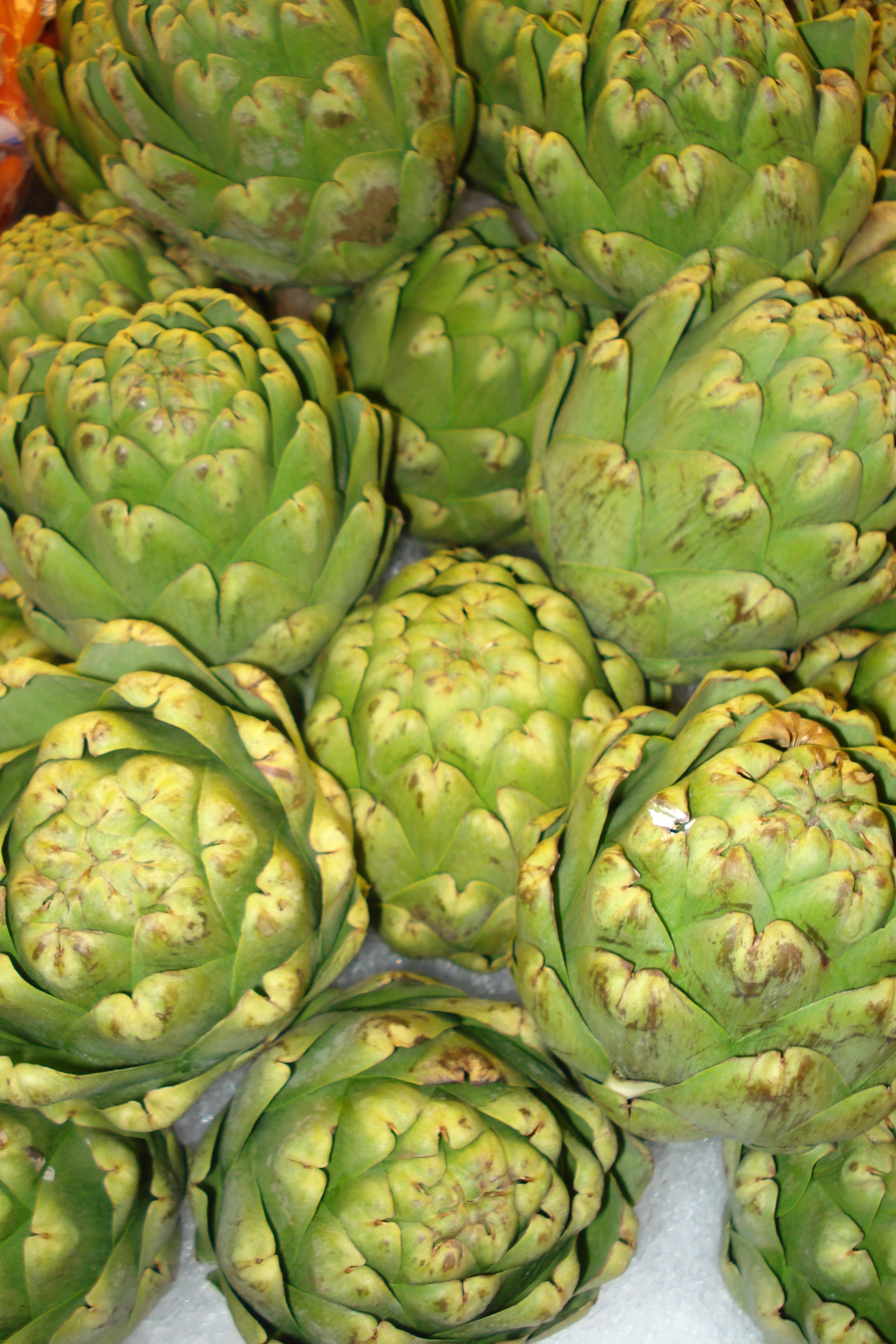
  • Artichoke recipe,or Risotto with Artichokes globe (french), cooked 1 medium
  • Asparagus, cooked 1/2 cup
  • Beans: Green, cooked 1/2 cup
  • Avocado, 1/4 cup
  • Cauliflower  cooked 1/2 cup
  • Chard cooked 1/2 cup
  • Corn cooked 1/2 cup
  • Eggplant cooked 1/2 cup
  • Legumes cooked 1/2 cup
  • Mushrooms cooked 1/2 cup
  • Parsnips cooked 1/2 cup
  • Peas, green cooked 1/2 cup
  • Plantain  1 medium
  • Potato: Baked or boiled, with or w/o skin 1 medium
  • Pumpkin, cooked 1/2 cup
  • Rutabaga, cooked 1/2 cup
  • Spinach, cooked 1/2 cup
  • Squash, winter, cooked, mashed 1/2 cup
  • Sweet-potato: Baked 1 medium or Boiled 1 medium
  • Tomatoes: Raw 1 med., Stewed 1/2 c., Tomato juice, canned 3/4 c. 
  • Zucchini: saute` 1/2 cup

Red Meat, Pork and Poultry 3 ounces should be consumed in reduced amounts. If individual has  high Triglycerides Pork may be eliminated from the diet completely.

Laura’s Meat is a nice lean meat that will be beneficial to reducing LDL while obtaining protein. Purchase the 92% lean red meat.

  • Meat and Poultry Beef: lean only once day for a weight of 3 ounces
  • Ground Meat; extra lean, lean, or regular; baked or broiled 1 patty
  • Pot roast, braised, lean only 3 ounces
  • Roast, rib, roasted, lean only 3 ounces
  • Short-ribs, braised, lean only 3 ounces
  • Steak, lean only: Baked or broiled 3 ounces + Braised 3 ounces
  • Stew meat, simmered, lean only 3 ounces
  • Chicken, without skin: Breast, broiled or roasted 1/2 breast
  • Chicken Leg (thigh and drumstick), broiled or roasted 1 leg
  • Cornish hen, roasted, without skin 1/2 hen
  • Ham, roasted, lean only: Fresh, Smoked or cured 3 ounces
  • Lamb, lean only: Chop, shoulder; baked, braised, or broiled 1 chop Lamb Roast, leg or shoulder, roasted 3 ounces
  • Pork: Chop, baked or broiled, lean only 1 chop
  • Pork Cutlet, baked or broiled, lean only 1 cutlet
  • Pork Roast, roasted, lean only: Loin 3 ounces
  • Pork Shoulder 3 ounces
  • Turkey, light or dark meat, roasted, without skin 3 ounces
  • Veal, lean only: Chop, braised 1 chop Cutlet or steak, pan broiled 1 cutlet, Roast, leg, roasted 3 ounces

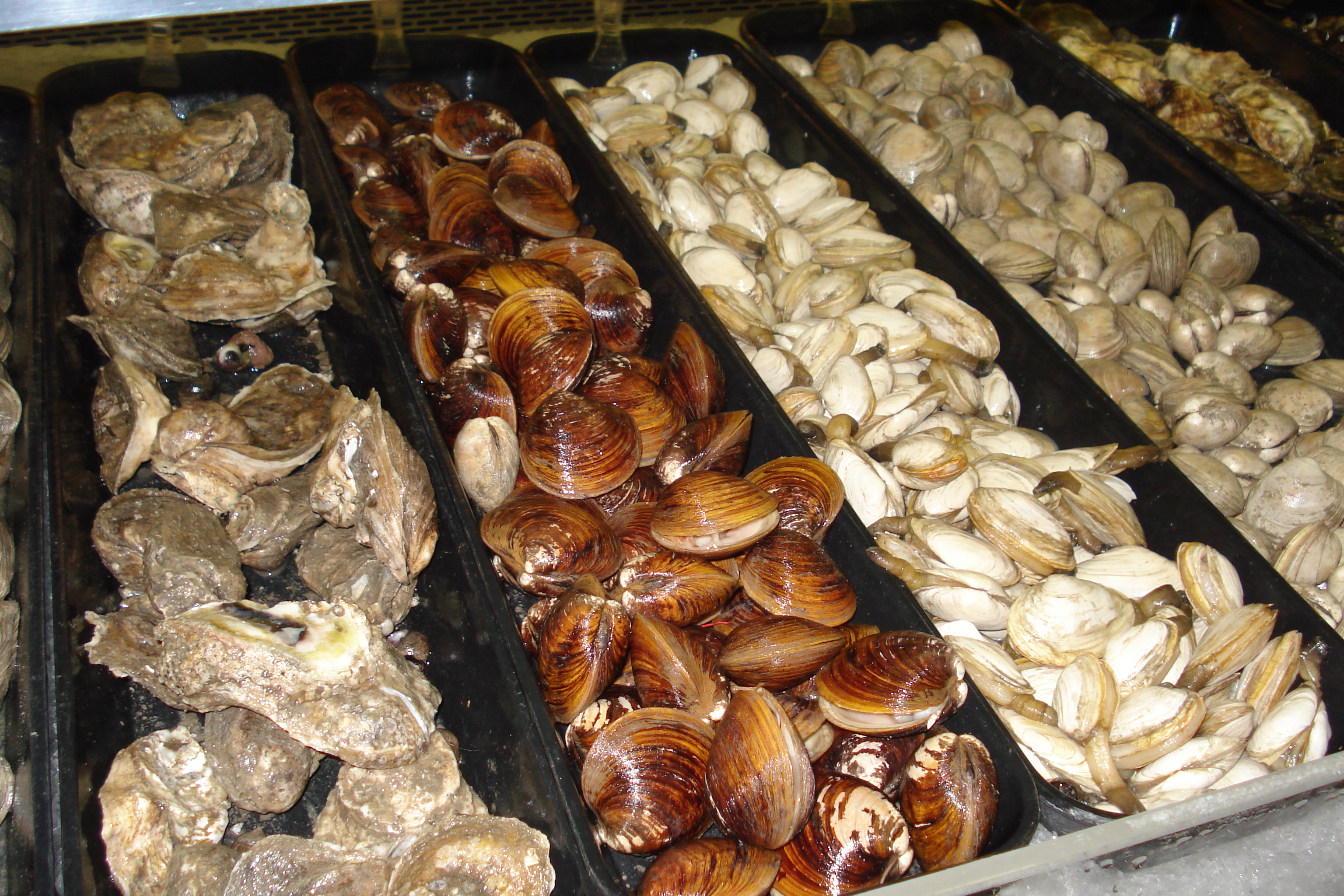
FISH 3 ounces. All Fish should be checked for dietary cholesterol;  most shellfish can be high in cholesterol and limited in consumption. 

  • Carp, catfish, flounder, or mullet; baked, broiled, grilled 3 ounces
  • Haddock, Mackerel, or Porgy; baked, broiled, grilled 3 ounces
  • Clams: Canned, Steamed, poached 3 ounces
  • Cod, Croaker, Pompano, or Trout; baked, broiled, grilled 3 ounces
  • Crabmeat, steamed 3 ounces
  • Lobster, steamed or boiled 3 ounces
  • Mussels, steamed, boiled, or poached 3 ounces
  • Ocean Perch, Pike; baked, broiled, grilled 3 ounces
  • Oysters: Canned, undrained 3 ounces
  • Sea Bass, or Whiting; baked, boiled, grilled 3 ounces
  • Salmon: Baked, broiledgilled, smoked 3 ounces
  • Scallops: Baked, broiled, grilled, steamed 3 ounces
  • Swordfish steak, baked, broiled, grilled 3 ounces
  • Tuna, canned, baked, seared, grilled 3 ounces

Legumes (Meat Alternate) 1 cup cooked is loaded with fiber and protein which will assist in eliminating LDL cholesterol.

  • Dry Beans, Peas, and Lentils Beans, cooked: Bayo, black, brown, or red kidney 1/2 c
  • Calico, chickpeas (garbanzo beans), mung, or pinto 1/2 cup
  • Fava, Lima, soybeans, or white 1/2 cup
  • Lentils, cooked 1/2 cup
  • Peas, split, green or yellow, cooked 1/2 cup
  • Soy milk 1 cup

MILK, CHEESE, AND YOGURT should be monitored carefully, or eliminated from the diet while reducing Triglyceride levels. 

  • Parmesean Cheese 1 oz
  • Milk 1% or skim
  • Chocolate skim milk 1 cup
  • Lowfat / non fat cheese 1 oz
  • Milk-based fruit drinks 1 c
  • Yogurt: Flavored, made with lowfat milk 6 ounces
  • Frozen Yogurt 6 ounces,
  • Frozen Fruit Yogurt made with lowfat or nonfat milk 6 ounces

Low Sodium Rubs, Marinades and Glaze

 Great for Grilling and Barbecuing Meats and Poultry 

Cajun Spice Rub

2 Tbsp Paprika, 1 Tbsp ground Cumin, 1 Tsbp dried Thyme, 4 mined garlic cloves, 1 diced onion, 1 Tbsp dired Oregano1 tsp black pepper, 1 tsp Gound Cayenne

Allspice, Garlic, Marjoram, Parsley ,Thyme   • Mix 1 tsp of each and rub into any any red meat.

Marjoram, Rosemary, Tarragon, Lemon Zest    • Combining 1 tsp of each spice and the zest of half of lemon rub into the chicken or turkey.

Cayene, Gound Cumin, Garlic to spice up your meats.  Mix together1 Tbsp Cumin, 1 tsp Cayene, 2 minced Garlic  and rub into meat.

Marinades

Soy Sauce, Garlic, Olive Oil, Balsalmic Vinegar Great for Pork!

2 Tbsp Reduced Sodium Soy Sauce,

2 minced garlic

1 Tbsp Olive Oil,

3 Tbsp Balsalmic Vinegar.

Place meat inside 1 gallon plastic bag and let marinade for two hours. May store in refrigerator for up to three days.

Basic Wine Marinade

1/4 (60 ml) cup olive oil,

1/4 (60 ml) Red Wine (RED MEATS) and White Wine (WHITE MEATS),

1 onion grated,

2 garlic cloves minced,

1 tbsp herbs (oregano, rosemary, marjoram, or bay leaf, or Italian Seasoning),

1 tsp pepper,

and 1/4 tsp salt.

Combine all ingredients with meat into a 1 gallon plastic bag.  Allow to marinade for 2-4 hours and up to 48 hours.

Glaze

Rum Glaze

1/2 cup (100g) brown sugar

2 Tbsp dark rum

grated zest of 1 lime

Juice of 1 lime

1 Tbsp dry mustard

Mix all ingredients together.

Coat meat with a Dry Rub of your choice. Cook over low heat. Brush on glaze at end of cooking time.

Mango Mustard Glaze

2 1/2 tbsp mango chutney

1 1/2 tbsp Dijon mustard

1 1/2 tbsp apricot jam

3 -5 drops Tabasco Sauce

Mix all ingredients together then brush over cooked meat.  Return to grill and continue cooking for 15-20 minutes make sure that it glazes, but does not burn.

By Kimberly Crocker