Meal Plan for Optimal Glucose Levels (Diabetes)

Obtain optimal blood glucose levels by Meal Planning. Diabetics learn to keep their insulin in balance through out the day. Like the Food Pyramid that most are familiar with following, diabetics also have their own food pyramid that they can refer to in order establish their diet.
Proper meal planning should include spacing out 5-6 smaller meals throughout the day to maintain steady blood sugar levels, so that consumption of food is every two hours. Contrastly, eating a big meal only once or twice a day can cause extreme high or low glucose levels. In addition, if the exercise regimen is changed, changes should be made to the diet accordingly, to maintain weight control and to control blood sugar levels.
For more information on  the impact of: Salt, Sugar and Alcohol

As you practice your diet, you will begin to learn different food combinations.


A combination to avoid at a single meal would be a plate with potatoes, corn, beans and a slice of bread. Your body will break down all four as breads, therefore, increasing your blood glucose levels. Whole grain breads are best to use (Aunt Milles Whole Grain, Multi Grain breads are good source and 2 slices equals 1 serving!) also providing protein compared to white breads.
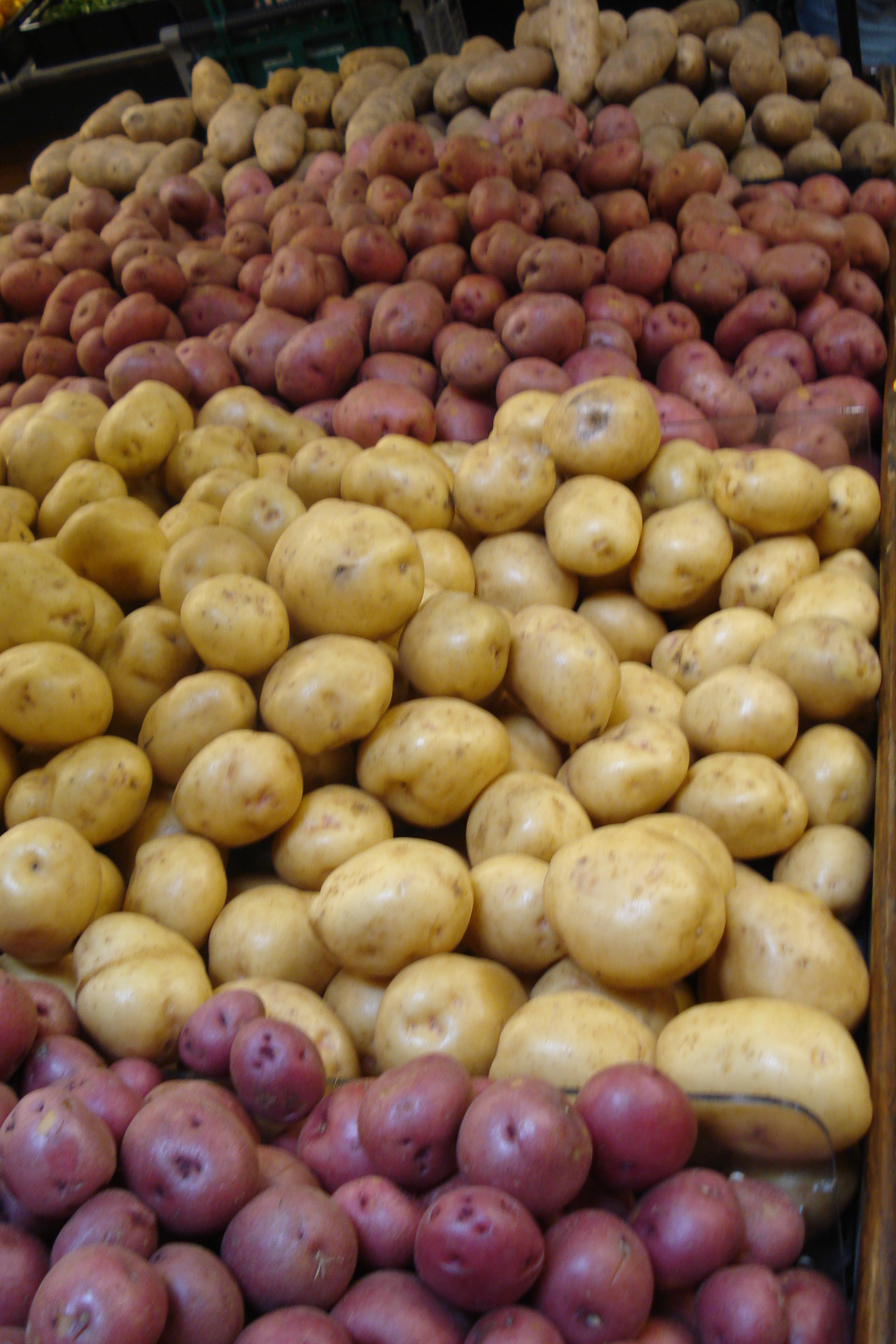
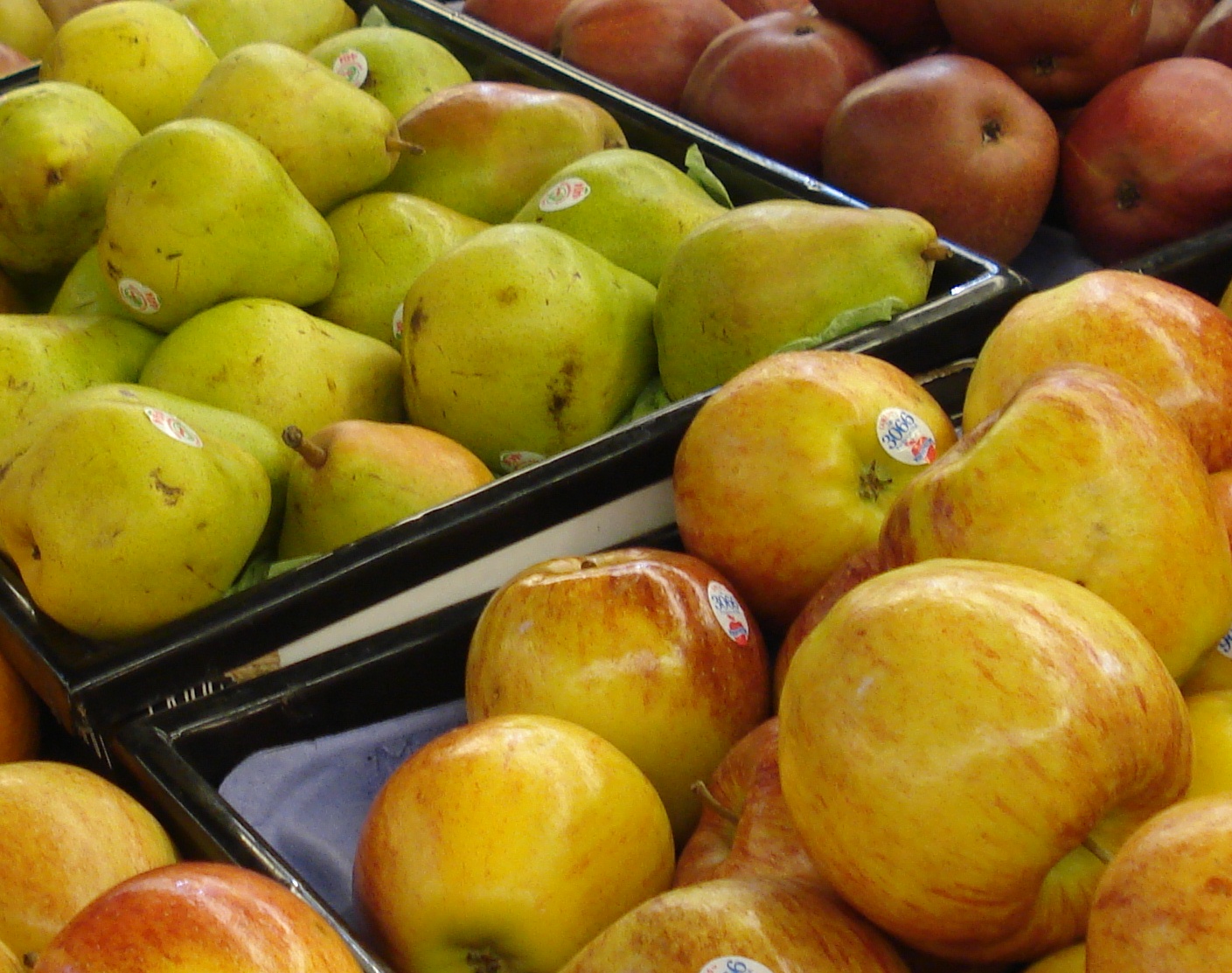
Additionally, root vegetables (beets, potato, yam) are high in fructose content (natural sugar), as are oranges, bananas and pineapples. A better choice would be apples, pears, cherries and plums.

ALL FOODS CAN be eaten, but they must be monitored in serving size and combined properly at meals in order to reduce insulin output, which will result in lowering your blood glucose. Recent studies have shown that Oolong Tea can contribute the pancreas which in turn reduces the insulin output.  You can drink up to  6 cups a day.

Contact your doctor, dietitian or post a message to find out what your meal plan should reflect.
Mens’ daily servings of food could be 1/4 – double of what a daily serving size may be for women.

Daily Servings Per Food Group
Suggested Serving Size
3-4 servings of fruit
1 small fresh fruit, ½ cup canned or dry fruit, ½ cup cup fruit juice
1 ounce of nuts (28-30 individual nuts): Almonds, Walnuts, Hazelnuts, Peanuts, Soynuts

3-5 servings of vegetables
1 cup raw vegetables, ½ cup cooked vegetables, ½ cup tomato or vegetable juice

6-11 servings of breads whole grains, beans, and starchy vegetables (shoot for 6 servings a day) 1 slice bread, (recommend Aunt Millies breads. 2 slices = 1 bread serving!) ½ small bagel or English muffin, 1 6-inch tortilla, ½ cup cooked cereal or pasta

2-3 servings of milk and yogurt
1 cup milk or yogurt

2-3 servings of meat, cheese, fish, and other proteins
2-3 oz. Cooked lean meat, fish or poultry, 2-3 oz. cheese, 1 egg, 1/2 cup Tofu, Nuts

Sparing use of fats, oils, and sweets
A serving of fats and oils can be 1 tbsp. butter, margarine, oil or mayonnaise. A serving of sweets can be ½ cup ice cream or 2 small cookies.

Meal Plan Combining Foods (for optimal glucose levels)
The daily menu follows the theory presented that “All Foods Can Be Eaten, but must be monitored”. Salt is used and also substituted. Sugar is available within the meals, yet limited. Alcohol is allowed, but only a 1/2 glass. (try for every other day routine with alcohol consumption.)
drink plenty of water throughout the day, 64 fl oz or 8 8 oz glasses.

Breakfast
1 cup yogurt
1 slice whole grain bread with pat of butter
1/4 cup berries
1 6 oz c. coffee with sweetner

Snack am
apple
1 ounce nuts

Lunch
1 8 oz. Milk
2 slices bread
2 slices turkey
3 slices tomato
1 lettuce leaf
1 tsp mustard
1 tsp mayo
1 pear
small bag of pretzels

Snack pm
Nutrition Bar
carrot and celery sticks
1 8oz milk

Dinner
Lemon Water
1 5oz glass wine
4 oz fish (baked seasoned with salt substitute, capers, olive and cherry tomatoe slices)
steamed broccoli (tossed in tsp oil, garlic, pepper, Mrs. Dash salt substitute)
baked potato oive oil, rosemary, thyme, pepper, salt
whole grain dinner roll
apricot

Dessert
1 c. orange sorbet
1/2 c. ice cream
small slice of cake

For more information you can contact the call the American Diabetes Association at (800) 232-3472 and select “receive more information about diabetes”.
Diabetic Food Pyramid

By: Kimberly Crocker
http://www.diabetes.org/nutrition-and-recipes/nutrition/foodpyramid.jsp
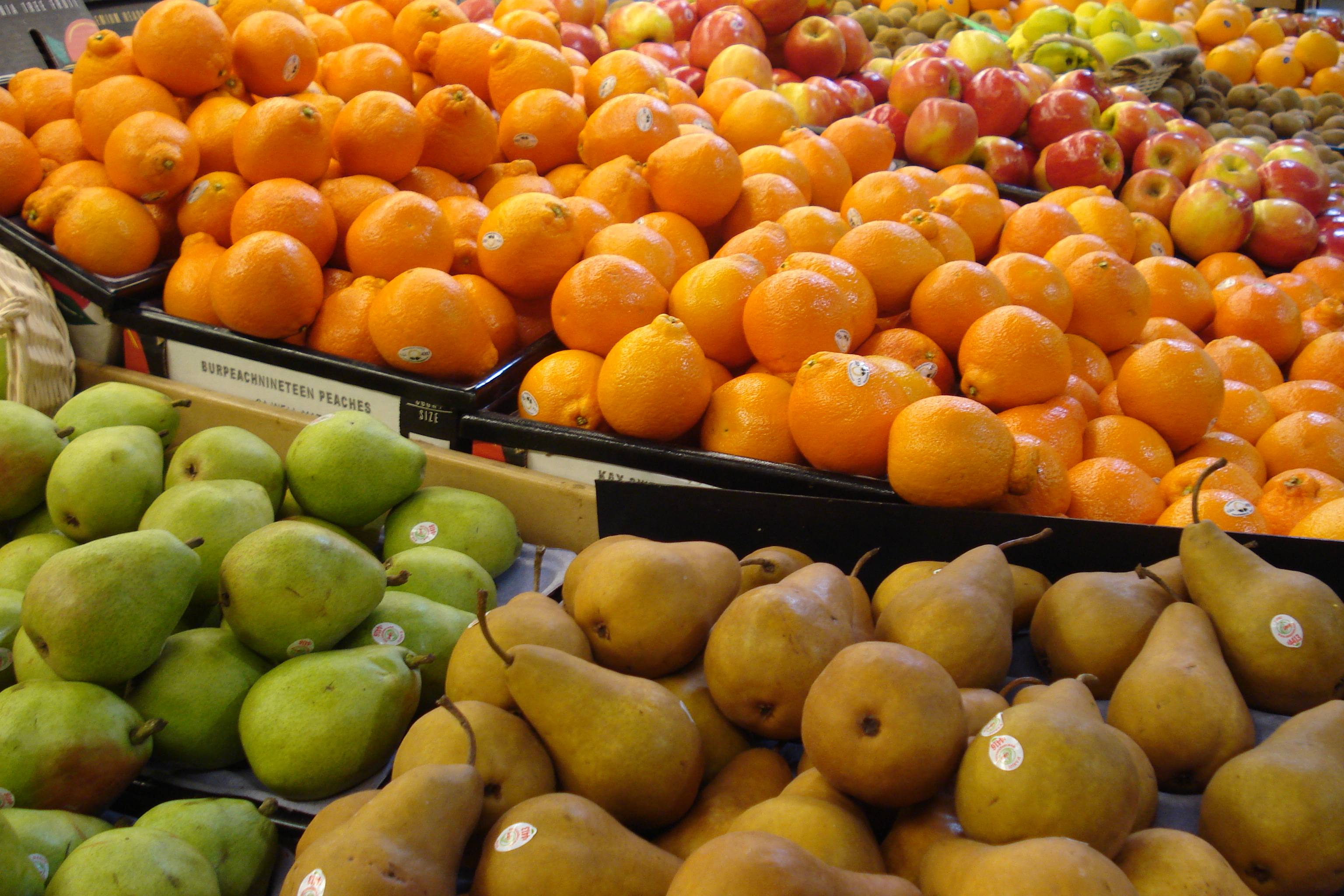
List of Cholesterol and Triglyceride Reducing Foods

Must Read: Triglycerides, How They Are Influenced”  and Calculate Cholesterol, Choose TLC Menu Plan”  both articles provide a better over view of how to confront cholesterol and achieve reduced total cholesterol.

Choose your foods wisely to improve your daily nutritional intake, and cleanse your body, optimizing it’s overall function in keeping you healthy. Highlighted words will take you to healthy recipes.

Various foods, beverages and spices are known for reducing, or interfering with bad cholesterol (LDL) and carrying it out of the body.

  •  Fruits and Vegetables (totaling 9 per day)
  • Teas 2-4 cups a day
  • Extra Virgin Olive Oil 2 -3 Tablespoons
  • Cinnamon:  1-4g (1/3 tsp – 1 1/2 tsp a day)
  • Ginger (250 mcg/day capsule form)
  • Honey 3 1/2 tablespoons / day

Maybe applied to any Meal Plan of choice.   Before doing your grocery shopping choose five foods from each catagory to buy and put in your refrigerator…………………

FRUITS choose 4 for daily consumption.

  • Apples, 1/2 cup
  • Apricots: Dried, cooked, unsweetened 1/2 cup
  • Banana, raw 1 medium
  • Cantaloupe, raw About 1/2 cup diced
  • Grapefruit juice 3/4 cup. If taking statins avoid grapefruit.
  •  Honeydew, Cantaloupe & Watermelon 3/4 cup
  • Nectarine, raw 1 medium
  • Orange juice 6 ounces 
  • Peaches: Dried, Cooked, Unsweetened 1/2 cup
  • Pears: Dried, uncooked 1/2 cup
  • Pomegranate,  1 medium
  • Prunes, dried, cooked, unsweetened 1/2 cup
  • Prune juice, unsweetened 1/2 cup
  • Raisins 1/4 cup
  • VEGETABLES choose 5 for daily consumption. Click on for recipe.
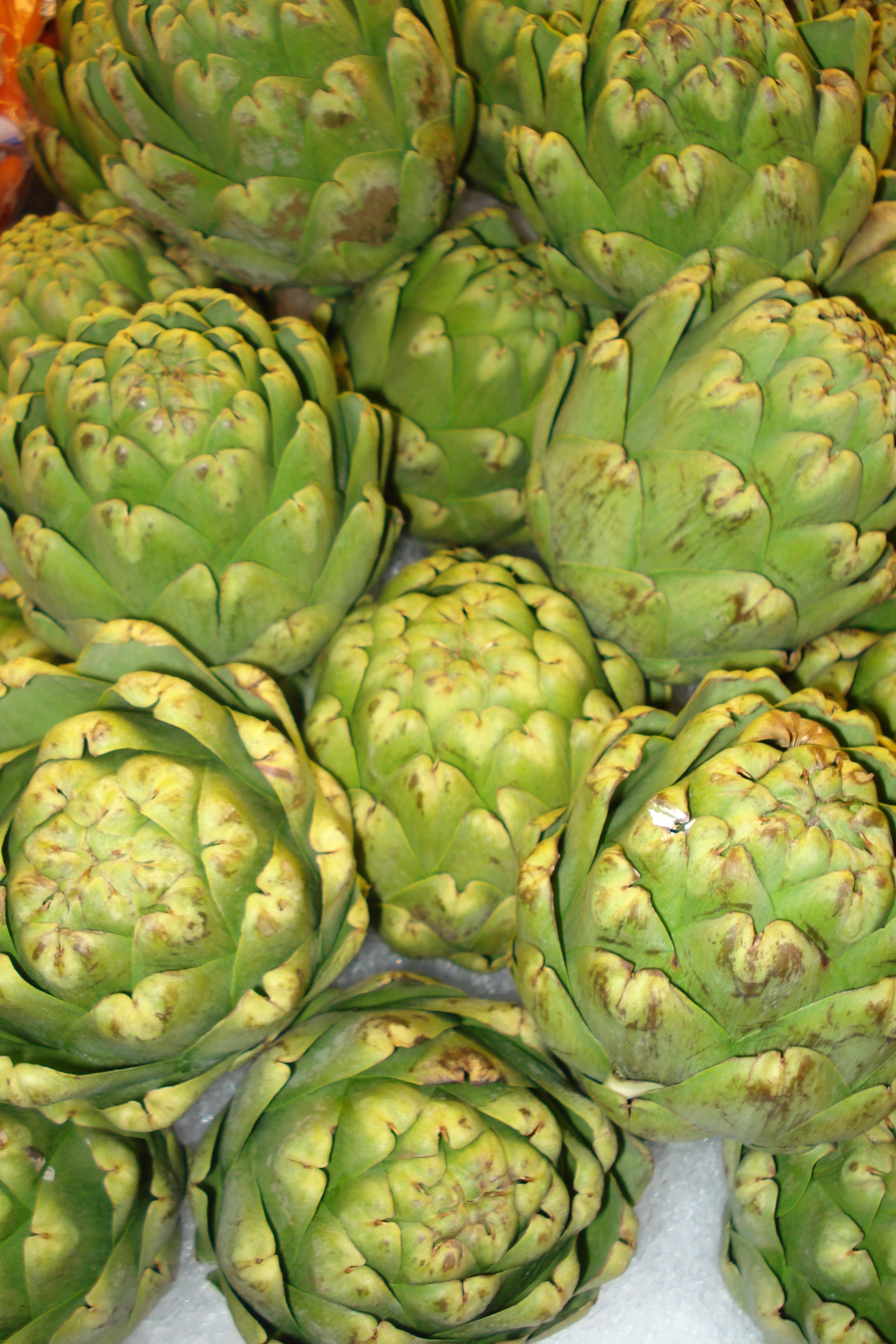
  • Artichoke recipe,or Risotto with Artichokes globe (french), cooked 1 medium
  • Asparagus, cooked 1/2 cup
  • Beans: Green, cooked 1/2 cup
  • Avocado, 1/4 cup
  • Cauliflower  cooked 1/2 cup
  • Chard cooked 1/2 cup
  • Corn cooked 1/2 cup
  • Eggplant cooked 1/2 cup
  • Legumes cooked 1/2 cup
  • Mushrooms cooked 1/2 cup
  • Parsnips cooked 1/2 cup
  • Peas, green cooked 1/2 cup
  • Plantain  1 medium
  • Potato: Baked or boiled, with or w/o skin 1 medium
  • Pumpkin, cooked 1/2 cup
  • Rutabaga, cooked 1/2 cup
  • Spinach, cooked 1/2 cup
  • Squash, winter, cooked, mashed 1/2 cup
  • Sweet-potato: Baked 1 medium or Boiled 1 medium
  • Tomatoes: Raw 1 med., Stewed 1/2 c., Tomato juice, canned 3/4 c. 
  • Zucchini: saute` 1/2 cup

Red Meat, Pork and Poultry 3 ounces should be consumed in reduced amounts. If individual has  high Triglycerides Pork may be eliminated from the diet completely.

Laura’s Meat is a nice lean meat that will be beneficial to reducing LDL while obtaining protein. Purchase the 92% lean red meat.

  • Meat and Poultry Beef: lean only once day for a weight of 3 ounces
  • Ground Meat; extra lean, lean, or regular; baked or broiled 1 patty
  • Pot roast, braised, lean only 3 ounces
  • Roast, rib, roasted, lean only 3 ounces
  • Short-ribs, braised, lean only 3 ounces
  • Steak, lean only: Baked or broiled 3 ounces + Braised 3 ounces
  • Stew meat, simmered, lean only 3 ounces
  • Chicken, without skin: Breast, broiled or roasted 1/2 breast
  • Chicken Leg (thigh and drumstick), broiled or roasted 1 leg
  • Cornish hen, roasted, without skin 1/2 hen
  • Ham, roasted, lean only: Fresh, Smoked or cured 3 ounces
  • Lamb, lean only: Chop, shoulder; baked, braised, or broiled 1 chop Lamb Roast, leg or shoulder, roasted 3 ounces
  • Pork: Chop, baked or broiled, lean only 1 chop
  • Pork Cutlet, baked or broiled, lean only 1 cutlet
  • Pork Roast, roasted, lean only: Loin 3 ounces
  • Pork Shoulder 3 ounces
  • Turkey, light or dark meat, roasted, without skin 3 ounces
  • Veal, lean only: Chop, braised 1 chop Cutlet or steak, pan broiled 1 cutlet, Roast, leg, roasted 3 ounces

FISH 3 ounces. All Fish should be checked for dietary cholesterol;  most shellfish can be high in cholesterol and limited in consumption. 

  • Carp, catfish, flounder, or mullet; baked, broiled, grilled 3 ounces
  • Haddock, Mackerel, or Porgy; baked, broiled, grilled 3 ounces
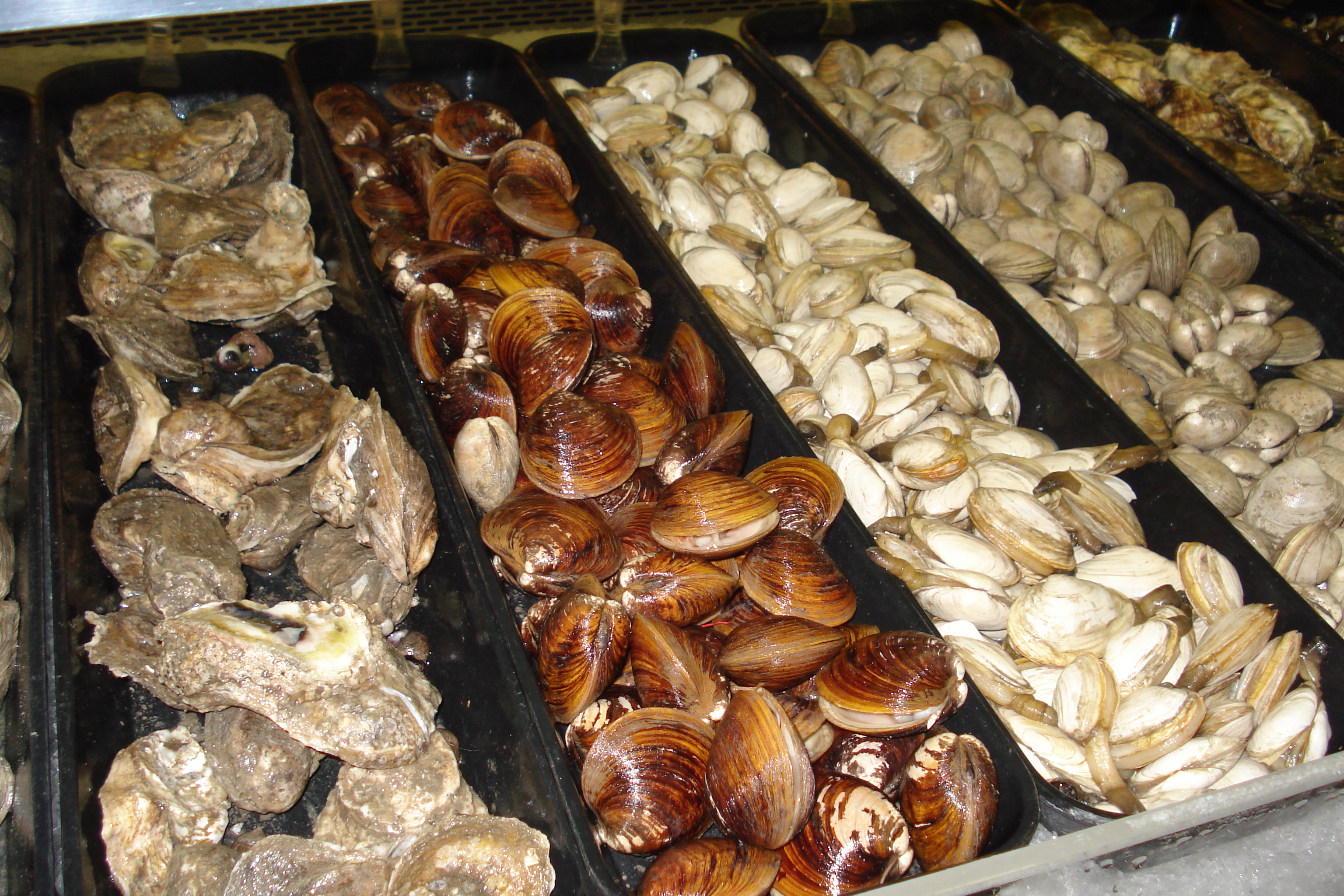
  • Clams: Canned, Steamed, poached 3 ounces
  • Cod, Croaker, Pompano, or Trout; baked, broiled, grilled 3 ounces
  • Crabmeat, steamed 3 ounces
  • Lobster, steamed or boiled 3 ounces
  • Mussels, steamed, boiled, or poached 3 ounces
  • Ocean Perch, Pike; baked, broiled, grilled 3 ounces
  • Oysters: Canned, undrained 3 ounces
  • Sea Bass, or Whiting; baked, boiled, grilled 3 ounces
  • Salmon: Baked, broiledgilled, smoked 3 ounces
  • Scallops: Baked, broiled, grilled, steamed 3 ounces
  • Swordfish steak, baked, broiled, grilled 3 ounces
  • Tuna, canned, baked, seared, grilled 3 ounces

Legumes (Meat Alternate) 1 cup cooked is loaded with fiber and protein which will assist in eliminating LDL cholesterol.

  • Dry Beans, Peas, and Lentils Beans, cooked: Bayo, black, brown, or red kidney 1/2 c
  • Calico, chickpeas (garbanzo beans), mung, or pinto 1/2 cup
  • Fava, Lima, soybeans, or white 1/2 cup
  • Lentils, cooked 1/2 cup
  • Peas, split, green or yellow, cooked 1/2 cup
  • Soy milk 1 cup

MILK, CHEESE, AND YOGURT should be monitored carefully, or eliminated from the diet while reducing Triglyceride levels. 

  • Parmesean Cheese 1 oz
  • Milk 1% or skim
  • Chocolate skim milk 1 cup
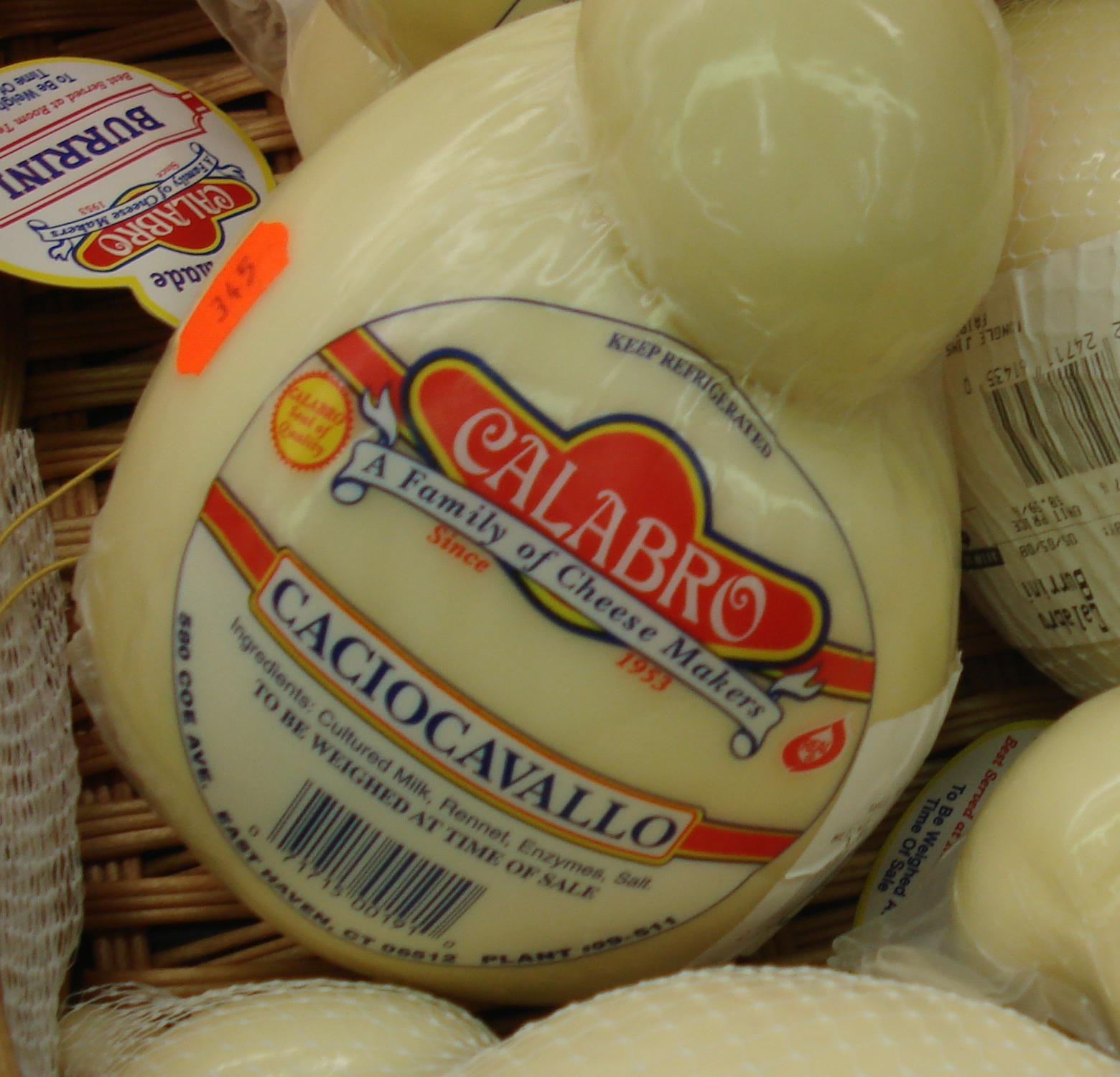
  • Lowfat / non fat cheese 1 oz
  • Milk-based fruit drinks 1 c
  • Yogurt: Flavored, made with lowfat milk 6 ounces
  • Frozen Yogurt 6 ounces,
  • Frozen Fruit Yogurt made with lowfat or nonfat milk 6 ounces

The Egg! A complete Protein!

Protein is what a body needs in the right amounts, as to not kill off your kidneys in the long run!  THE EGG….has gotten some unpopular reviews because it has cholesterol. So does any food product that comes from an animal. Yet Pizzeria’s are on every corner and they are not using low or non fat cheese!

Meal Plan

Therapeutic Lifestyle Change (TLC Diet)
To reduce Cholesterol problems and other symptoms of heart disease. Designed for everyone to have a Heart Healthy Day.

Fluids are equally important to a successful diet. Add 1-2 glasses of water with 1/2 to 1 whole lemon each day. Also drink 1-2 cups of Oolong tea each day. Oolong tea burns over 157% more fat than Green Tea and has become the most popular tea designed to accelerate weigh loss. 

  • Breakfast
    · Bread…. ½ cup oatmeal
    · Fruit……..Peach
    · Milk…….Non fat yogurt
  • Tea

Snack am
Fruit…..Banana
Bread…reduced fat graham cracker

Lunch
· (for caloric increase add small bag of baked chips or pretzels)
· Bread….2 slices whole-wheat bread,
· Protein…2 ounces lean turkey,
· Free….1 tablespoon mustard Chipotle
· Vegetable… lettuce and tomato
· Vegetable…Carrot sticks
* Fruit
· Milk….skim or 1%, Water or Tea

Snack pm
· Fruit…apple
· Protein…1 oz almonds (about 28 pieces)

Dinner
· Protein….3 ounces baked or broiled salmon (Omega 3 fat)
· Bread….1 cup cooked brown rice
· Vegetable…1 cup cooked broccoli
· Fat…1 tablespoon olive oil (used in cooking)
· Vegetable…Salad made with 1½ cups romaine lettuce, ½ cup tomatoes, ¼ cucumber,
· Fat…vinaigrette: Extra Virgin Olive Oil, balsamic vinegar, oregano, minced garlic
· Bread…1 slice multi grain Italian bread
· Fruit

Dessert
Sherbert
Cakes and cookies in moderation No more than 3 times per week.

Water or Tea

Include eight 8 oz glasses of fluids in your daily meal plan through out the day.

By: Kimberly Crocker

Animal Fat…To Eat or Not to Eat

The danger of a high Protein diet, which is commonly linked to a high animal fat diet seems to be up for discussion again during January, the month of the diet!

While a small amount of animal fat can be found in ones diet beef, chicken, fish and poultry should be consumed in the amount of 4 oz /day (114g a day).  Eating a deit high in animal fat is dangerous, a.ka. Saturated Fat and is the culprit of high cholesterol. (Unsaturated Fat comes from plant oils and nuts.) Our liver already produces a perfect amount of cholesterol (1g/day) to meet our hormone needs.
A high animal fat diet is dangerous, especially, if there is a lack of fiber and exercise in ones daily routine.  Pathologies such as artherosclerosis (hardening of the arteries due to fat lined within veins and arteries of heart, which block oxygen to the heart, causing a portion of the heart to die.), heart attack, stroke, arthritis, inflammation and kidney failure.

The heart healthy Omega 3,6, found primarily in fish (and walnuts 1 oz or 28g /day) should be consumed 4-6 oz/ day or 114-168g/day three -four times a week. This nutritional fat is a healer in that it is largely responsible for reducing inflammation of all types.

Give yourself permission to enjoy hamburgers, steak, sausage, porkloins and pies, but monitor them carefully in a daily and weekly diet as to curve nutritionally linked diseases.

By: Kimberly Crocker