USANA Vitamin Supplements & USA Bobsled Team

Wednesday April 23, 9:00 AM EDT

Browse and Purchase USANA Nutritional Supplements and Products
USANA Nutritionals: Essentials, Healthpak 100 US, Chelated Minerals Upgrade, Mega Antioxidants Upgrade

SALT LAKE CITY, Apr 23, 2008 (BUSINESS WIRE) — USANA Health Sciences, Inc. (USANA), a worldwide leader in science-based nutritional supplements, today announced it has signed a two-year sponsorship agreement to be the official supplement supplier of nationally ranked USA Bobsled Team Radcliff.

“I’ve done a lot of research on a variety of supplements and found the absorption rate of USANA’s products into the system is unmatched,” said Ivan Radcliff, 34, a World Cup silver medalist and a member of five world championship teams. “That’s what helped me earn a fourth-place finish at the final race of the season in Lake Placid, N.Y.”

USA Bobsled Team Radcliff, currently ranked fourth nationally, features Radcliff and Jim Carriel, and will include two athletes yet to be selected. USANA’s agreement with the team extends through the 2010 Olympic Winter Games in Vancouver.


“I’m very pleased to be associated with such a great company and I look forward to the future, including Vancouver,” said Radcliff, who trains in Park City, Utah, and works for the Park City Fire District. “I’ve known about USANA for years because of its association with the US Speedskating Team and appreciate the way the company stands behind its athletes.”

USANA continues to be the trusted name in nutrition among many of the world’s premier winter athletes, including the US Speedskating Team, USA Luge and Speed Skating Canada. Six USANA products recently received certification through NSF International’s Certified for Sport(TM) program. NSF’s independent certification helps athletes make educated decisions about the safety of the dietary supplements they choose to take.

“USANA is proud to associate itself with the world’s greatest athletes and is thrilled to sponsor USA Bobsled Team Radcliff as it prepares for the Vancouver Winter Games,” USANA President Dave Wentz said. “We recognize that proper nutrition is vital to athletic success, which is why we’re pleased to provide these world-class athletes with the highest quality nutritional supplements.”

About USANA

USANA Health Sciences develops and manufactures high-quality nutritionals, personal care and weight management products that are sold directly Preferred Customers and Associates throughout the United States, Canada, Australia, New Zealand, Hong Kong, Japan, Taiwan, South Korea, Singapore, Malaysia, Mexico, the Netherlands and the United Kingdom.

SOURCE: USANA Health Sciences, Inc.
FDA News: Dog & Cat Food; Laws for Beef; Recall Soymilk

FDA News Digest

April 28, 2008 _____________________________________

IN THIS WEEK’S ISSUE

»  News

n       Pet Food Maker Ordered to Obtain Emergency Operating Permit

n      New Regulation Strengthens Safeguards for Beef Consumers

n      Drug Approved to Treat Bowel Disorder Crohn’s Disease

n        Relistor Approved to Treat Opioid-Induced Constipation

»  Testimony

»  Safety Alerts/Recalls  

__________________________________________

NEWS

Pet Food Maker Ordered to Obtain Emergency Operating Permit

FDA has issued an order requiring that Illinois-based Evanger’s Dog & Cat Food Co. Inc . obtain an emergency permit from FDA before its canned pet food products enter interstate commerce. A recent inspection revealed significant deviations from prescribed documentation, which could result in underprocessed pet foods that can allow the survival and growth of Clostridium botulinum, a bacterium that causes botulism in some animals as well as in humans. For Evanger’s to resume business, the company must document that corrective actions and processing procedures have been implemented to ensure that the finished product will not present a health hazard.

http://www.fda.gov/bbs/topics/NEWS/2008/NEW01825.html


New Regulation Strengthens Safeguards for Beef Consumers

FDA has issued a final regulation barring certain cattle materials from all animal feed, including pet food. The rule further protects animals and consumers against bovine spongiform encephalopathy (BSE, also known as “mad cow disease”). The new measure builds on FDA’s 1997 feed regulation, which prohibited the use of certain mammalian proteins in ruminant feed.

http://www.fda.gov/bbs/topics/NEWS/2008/NEW01823.html


Drug Approved to Treat Bowel Disorder Crohn’s Disease

FDA has approved Cimzia (certolizumab pegol) to help sufferers of moderate-to-severe Crohn’s disease who have not responded to conventional therapies. Crohn’s disease is a chronic, inflammatory bowel disorder that affects more than 1 million men and women worldwide. It has no cure and its cause is unknown. Patients treated with Cimzia will receive an injection every two weeks for the first three injections. Once benefit has been established, Cimzia should be given once every four weeks.

http://www.fda.gov/bbs/topics/NEWS/2008/NEW01821.html


Relistor Approved to Treat Opioid-Induced Constipation

FDA has approved Relistor (methylnaltrexone bromide) to help restore bowel function in patients with late-stage, advanced illness who are receiving opioids on a continuous basis to help alleviate their pain. Such patients include those with a diagnosis of incurable cancer, end-stage chronic obstructive pulmonary disease from emphysema, heart failure, Alzheimer’s disease with dementia, HIV/AIDS or other advanced illnesses. Opioids can interfere with normal bowel elimination function by relaxing the intestinal smooth muscles and preventing them from functioning. Relistor acts by blocking opioid entrance into the cells thus allowing the bowels to continue to function normally.

http://www.fda.gov/bbs/topics/NEWS/2008/NEW01826.html

  _________________________________


TESTIMONY


April 25 — FDA Office of Food Safety Deputy Director Don Kraemer appeared before the U.S.-China Economic and Security Review Commission Hearing on “Chinese Seafood: Safety and Trade Issues”

http://www.fda.gov/ola/2008/seafood042408.html


April 24 — FDA Center for Food Safety and Applied Nutrition Director Stephen F. Sundlof, DVM, appeared before the House Subcommittee on Health.

    Subject: “Food and Cosmetic Provisions of the ‘Food and Drug Administration Globalization Act’ Discussion Draft Legislation”

http://www.fda.gov/ola/2008/fdaglobalact042408.html


April 22 — FDA Commissioner Andrew C. von Eschenbach, M.D., appeared before the House Subcommittee on Oversight and Investigations

    Subject: “FDA Actions to Improve Safety of Medical Products with Foreign Components”

http://www.fda.gov/ola/2008/foreigninspection042208.html

  ___________________________________________________ 


SAFETY ALERTS/RECALLS

Drug Recall:


Bertek and UDL label Digitek (digoxin tablets, USP, all strengths) for oral use

Reason for recall: tablets may contain twice the approved level of active ingredient

http://www.fda.gov/oc/po/firmrecalls/actavis04_08.html


Food Recall:


›  Silk Soymilk Chocolate Flavor, 11-ounce plastic single serve bottles printed with both a “use by” date of May 7, 2008 (printed as 05 07 08) and a Universal Product Code (UPC) of 2529360028

Reason for recall: product may contain milk protein not declared on label

http://www.fda.gov/oc/po/firmrecalls/whitewave04_08.html 


Beauty of Wine and Grape Juice

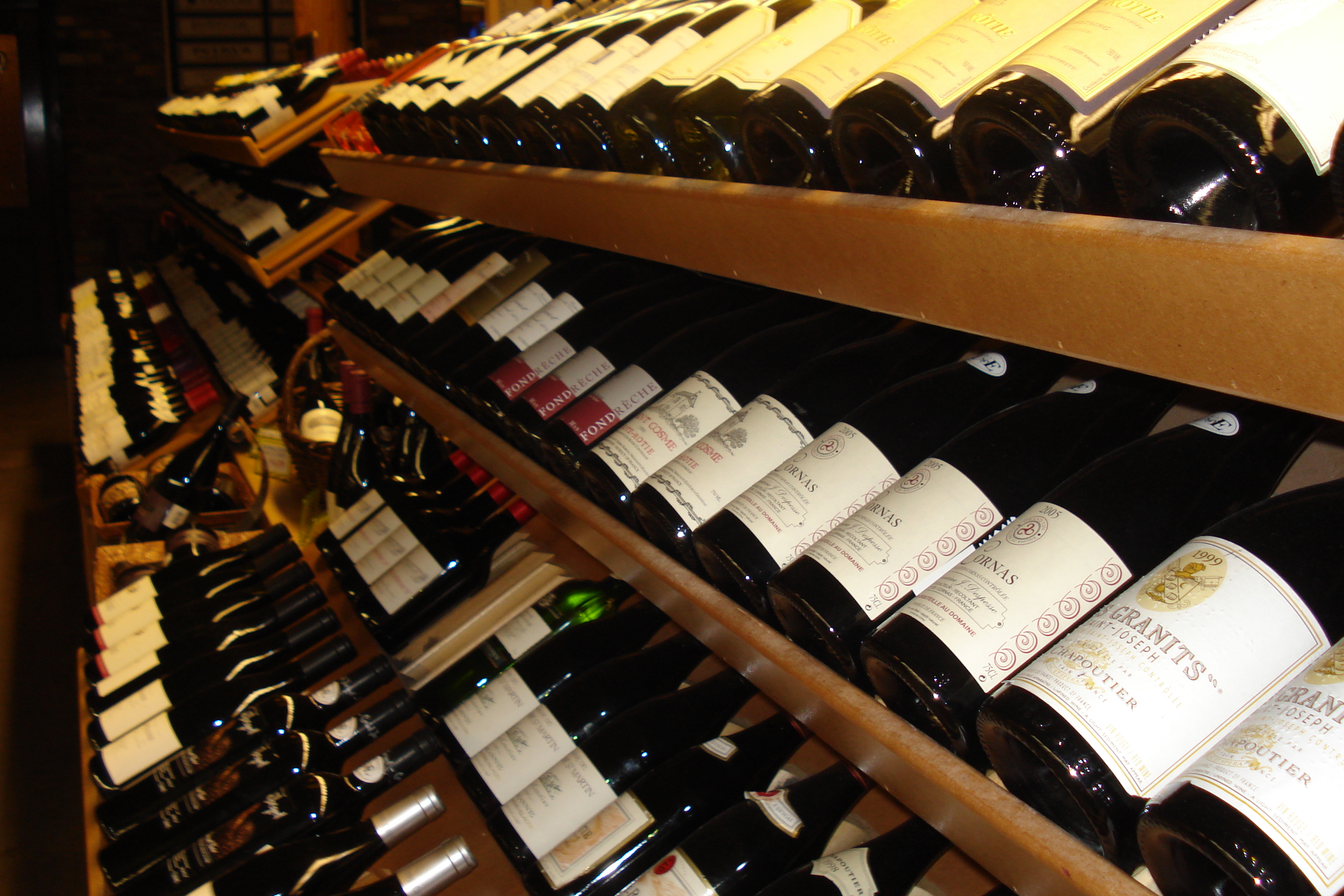
The presence and evidence of wine has been traced to the first and second millennium in China and from there, production of wine has been found to also exist during 5000-6000 BC in the Mid-East.  Wine evolved and technology began to advance during the Roman Empire as vineyards were cultivated and wine was stored and shipped in barrels.  Today, researchers provide us with the latest DNA results concerning the progress of the fruit and it’s spirit.

After much DNA research on grapes in the countries of Australia, France and Italy the studies have concluded that the next two-four years of wine production should be exceptional due to the optimal quality of the grape. “The cultivated heterozygous grape species, Vitis vinifera, has potential to become a model for fruit trees genetics after determining it’s genome sequencing”, according to the IASMA Research Center, San Michele all’Adige, Trento, Italy.   Agriculturalists will benefit from this research by quickly identifying and reducing the number of micro-organisms or parasites that are bringing harm to the plant, allowing the farmers to produce a more stable product.  The consumers can look forward to a higher quality wine, which will be more readily available.

Italian wines have consistently outpaced the French and Spanish wines over the past few years. Recent statistics released in a survey done in Los Angeles, CA have shown young Americans and women to perfer: Chianti Classico, Pinot Grigio (Alto Adige and Friuli), Barolo, Barbaresco and Brunello.  However, countries that are competing for a place in the local cantina are: Africa, Argentina and Portugual.  All who have found ways to provide a table wine that will elegantly enhance the simplest to priciest of dinners.

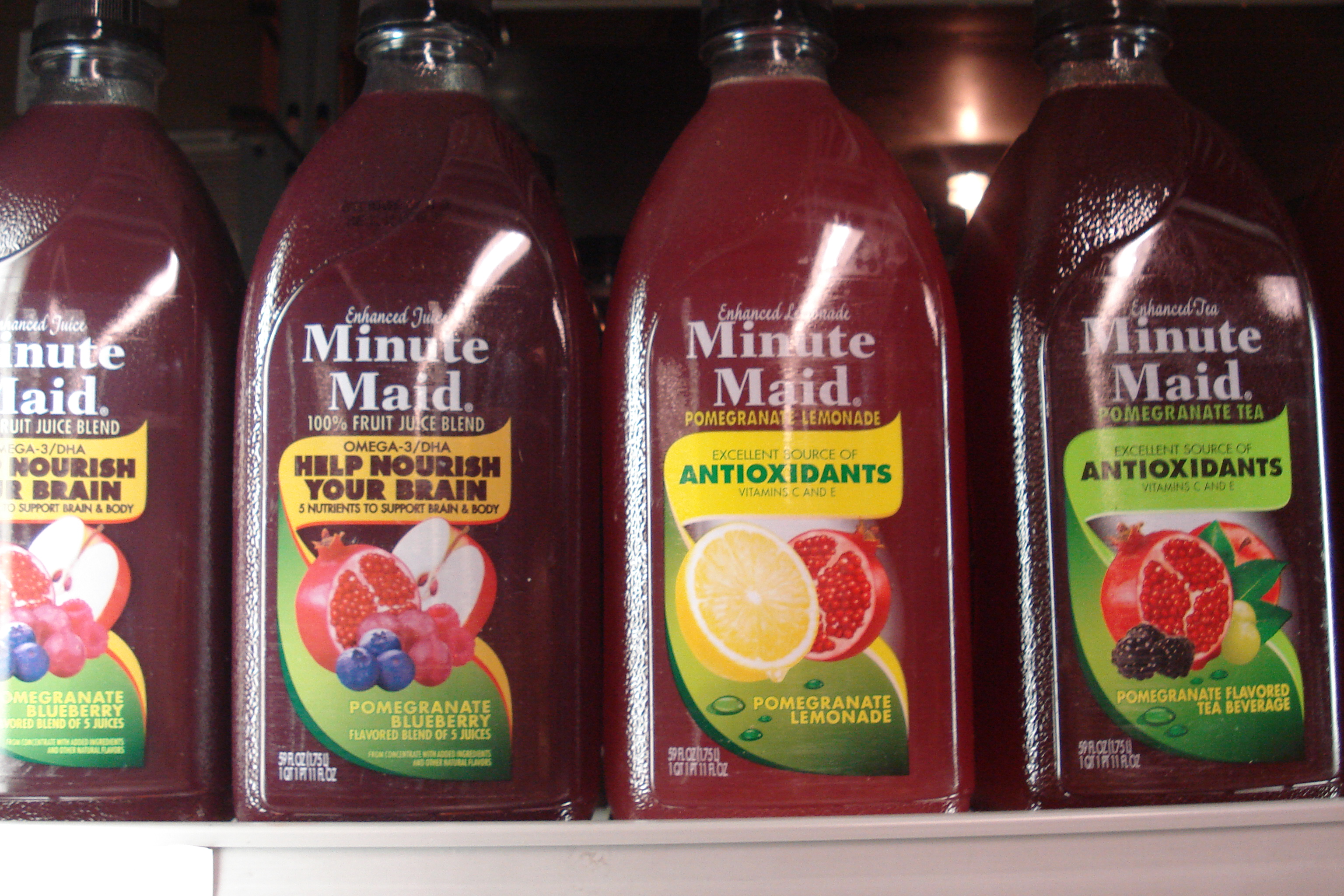
              Recent information in the media presents the  medicinal benefits of wine and juice content of fruit (i.e. Minute Maid), which comes from a chemical compound called Resveratrol (also found in peanuts, soy, cranberries, blueberries, and Itadori tea which maybe a good substitute for red wine) linking it to possible human longevity.  What is known about resveratrol is that it is produced in the skin of red/purple grapes and it’s main purpose is to operate as an anti-fungal agent or an anitbiotic.  It transfers to the juice of the fruit during crushing and fermentation. It’s typically found in red wines, but not white wines. 

Resveratrol is a phenolic compound that can be found where grapes grow in colder climates such as: Northern CA, MI, Canada and North European countries.  This is because rainfall is more and sunlight is less, hence the need for resveratrol to fight against developing fungi.

Medicinal resveratrol has been evident when 1 glass of wine is consumed daily, permitting the blood cells to smoothly pass each other instead of sticking to one another and creating potential blood clots that lead to heart disease. According to the AWRI (Australian Wine Research Institute), Resveratrol is being studied to determine it’s effect on damaged DNA and how it may act as an anti-cancer agent. “It appears related to anti-oxidation, where resveratrol may prevent and repair damage to DNA associated with the initiation of cancer, as well as acting to prevent the growth and proliferation of cancer cells, both at the gene and cell level.”

One cup serving of grapes yields: 57 calories, 6 grams of protein, 16 grams of carbohydrates, 2 mg of sodium, 1 gram of dietary fiber and vitamins A and C.

One glass of red wine yields: 4 oz 85 calories, sodium 6 mg, total carbohydrates 2 g.

by: Kimberly Crocker Scardicchio

Global Literature Research

  1. Perspectives in Nutrition, Sixth Edition Wardlow, Hampl, DiSilvestro
  2. Fundementals of Anatomy & Physiology 6th Edition, F. Martini
  3. pubmed.gov PLoS ONE. 2007 Dec 19;2(12):e1326.
  4. http://www.awri.com.au/industry_development/wine_and_health/faqs/
  5. http://www.foodanddrinkeurope.com/news/ng.asp?n=66631-grape-genome-wine
  6. http://194.177.100.52/comunicati/doc/2350-gbChiusuraVinitalyUs07.doc
  7. Pubmed Jennifer Burns, Takao Yokota, Hiroshi Ashihara, Michael E. J. Lean, and Alan Crozier*Plant Products and Human Nutrition Group, Division of Biochemistry and Molecular Biology, IBLS, University of Glasgow, Glasgow, G12 8QQ, U.K., Department of Human Nutrition, Glasgow Royal Infirmary, Queen Elizabeth Building, Glasgow, G31 2ER, U.K., Department of Biosciences, Teikyo University, Utsunomiya 320-8551, Japan, and Metabolic Biology Group, Department of Biology, Faculty of Science, Ochanomizu University, Otsuka, Bunkyo-ku, Tokyo 112-8610, Japan                 

http://eatknowhow.com

Visit our website for more great information and articles.  This is also the best wat to contact us too!

Stepping out and Walking Tall

The fresh air and singing birds often beckon hibernating individuals out to exercise and to “get into shape”.  Having someone to walk with is a great way to promote the idea of “well-being” and you can effectively lose weight by exercising for 30 minutes each day.  Recently, a client scheduled a time to go for a walk and after five minutes I was asked to slow down my stride. This is a common complaint that I hear from individuals when encouraging them to walk at an aggressive pace (more than leisurely).  After ten minutes of walking they feel sharp pains in the chest area.  Increased blood flow will cause the pain in the chest as you are asking your heart to work more than it usually does.  Slow the pace down and take water with you.  Water supplies our body with two critical elements: hydration and oxygen.  Over exertion will lead to shortness of breath and over extension of muscles produce lactic acid, (in layman’s terms, your muscles will be sore).  Therefore, it is critical that we listen to our bodies. 

Additionally, nutrition is important to keep our hearts healthy by implementing a proper diet.  Eating an assortment of 4 fruits and 5 vegetables will provide your organs with much needed vitamins and minerals.  Healthy fatsfound in olive oil, nuts and seeds are needed to keep muscles lubricated.  

Applaud your efforts for taking the first steps to being healthy. Star walking at a leisurely pace and gradually increase your speed.  Slow down if you feel pain and drink water along the way.  Eventually, you can pursue going outside your comfort zone and jog for 2 minutes and walk for 3 minutes.  Challenge yourself and flip the time by walking for 2 min.’s and jogging for 3 min.’s.  Within a matter of a month you will feel stonger and healthier.