Stuffed Calamari Salad

Stuffed Calamari Salad

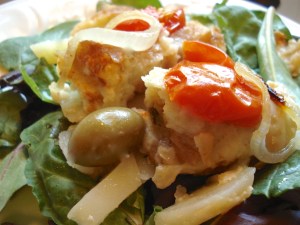
Stuffed Calamari is ideal for summer time eating! A delectable dish layered with potatoes, olives, onions and tomatoes. It is easily prepared in 10 minutes, cooked/ baked in 20 minutes and can be reheated. Serves 4-6.

Or serve Grilled Calamari .

INGREDIENTS

  • 1 Egg
  • 1/2 cup Milk
  • 2 cups diced Bread (ciabatta/tuscan)
  • 2 Garlic Cloves  peeled and minced
  • 1 Tablespoon chopped Parsley
  • 1/2 teaspoon Salt
  • 2 large Potato peeled and sliced in thin rounds, toss with 1/8 tsp salt
  • 1 medium size Onion peeled and sliced in rounds
  • 1 Tomato sliced in large chunks
  • 2 Tomatoes sliced in rounds
  • 6-12 olives
  • 1 Tablespoon capers (optional)
  • 1 pound Calamari Squid
  • 1/8 cup Extra Virgin Olive Oil
  • 1/4 cup water
  • Mix Green Salad of choice
  • Olive Oil and Lemon to drizzle on salad

PREPARATION

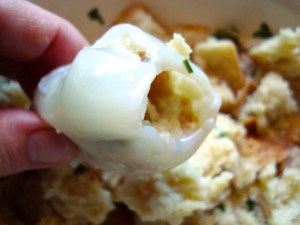
Fill each Calamari with prepared stuffing.

Pre-heat oven at 375 F
Rinse calamari and set aside in a colander. In a large mixing bowl crack 1 egg and discard the shell; with a fork beat the egg for 30 seconds. Add milk to the egg, combine with fork. Place into egg/milk mixture the bread, garlic, parsley salt;  using a spoon, incorporate all ingredients. Set the stuffing aside.

Align Calamari onto potato lined baking pan.

Layer bottom of the pan with potato slices.

Begin filling each calamari by opening the white cylinder meat and fill each calamari 3/4 full with the stuffing. After filling the calamari insert a tomato chunk to close off calamari and    set each one on top of the potato slices, side by side. Distribute any remaining stuffing around the line calamari.

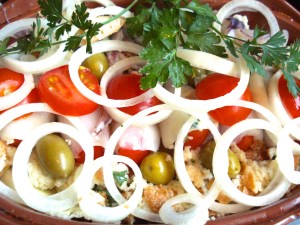
Layered Stuffed Calamari

Add olives and capers around the calamari. Layer onion rings and tomato slices on top of calamari. Drizzle olive oil over entire dish. Distribute water evenly over the food. Cover dish with tinfoil and place pan into the center of the oven, allow to bake for 15 minutes. Uncover dish and turn temperature to broil and broil for 5 minutes. When the potatoes are fork tender the Stuffed Calamari is ready to serve and eat.

Place a Green Salad onto plates, drizzle olive oil and spray half a lemon on salad. Lastly, serve the Stuffed Calamari onto the salad. BUON APPETITO!

By: Kimberly Crocker-Scardicchio

Hyper & Hypothyroidism and Nutritional Therapy

An ultra sound of the thyroid gland

Common expressions:   “I am so tired” and  “I feel cold”.  We can thank the small gland that’s wrapped around the trachea, our thyroid for various sensations. This small butterfly organ has 3 principle functions: cellular differentiation, growth and metabolism. Two key hormones (thyroxine) promotes the body’s growth & development and with help from the parathyroid gland, there’s bone formation and control of calcium in the blood (hormone calcitonin). The small double lobed gland claims to fame are also attributed to: sleep patterns, weight maintenance, moods, immune system, muscle agility and heart rate, etc.                                                                                     

While the thyroid is busy deciding how it will control the bodies energy, there may be an over production of the thyroid hormone (autoimmune disease or Graves Disease) it’s called Hyperthyroidism. Other causes linked to hyperthyroidism may be attributed to inflammation, nodules or tumors on the thyroid. You may notice an increased heat rate with exercise and excessive sweating with or without exercise.

There maybe a time  in it’s lifespan that the thyroid hormone output is reduced, called Hypothyroidism. Some of the initial symptoms are: weight gain with no change in diet or exercise, depression, and exhaustion.  The negative effects of untreated hypothyroidism are: increased cholesterol levels, strokes, cardio vascular disease and the immune system that turns on the body first attacking the thyroid itself (Hashimoto Disease). THE GOOD NEWS is that hypothyroidism is easily treated through daily medication.

Typical reference ranges for normal thyroids

Test From To Units
TSH 0.4 4.5 mU/L (milliunits per litre)
FT4 9.0 25.0 pmol/L (picomoles per litre)
FT3 3.5 7.8 pmol/L (picomoles per litre)

These ranges are only a guide. The reference range for FT4 in particular does currently vary between methods and so any ‘typical’ reference range quoted will be subject to method and local interpretation

Test results outside the reference range

  • high SH level with a low FT4 level: Hypothyroidism (under-active thyroid)
  • low TSH level with a high FT4 level and a high FT3 level: Hyperthyroidism (over-active thyroid)
  • Abnormal TSH levels together with normal FT4 levels indicate you may be at risk of developing a thyroid disorder
  • A low TSH levels together with a low FT4 levels can indicate a disorder of the pituitary gland

SYMPTOMS OF MALFUNCTIONING THYROID  can be noticed at any age and can even be misinterpreted as signs of aging;

Diagnosis. After a blood diagnosis, your doctor will prescribe a medication that you will take every morning, so that your thyroid wakes up in the morning with you, one hour after taking the medication you may eat. Within 2 weeks to 2 months, most symptoms will go away and your energy will return. The medication is something that you will take the rest or your life, a small price to pay for remaining healthy. “As of February 2010, at most laboratories in the U.S., the official “normal” reference range for the Thyroid Stimulating Hormone (TSH) blood test runs from approximately .5 to 4.5/5.0 according to the American Association of Clinical Endocrinologists.
MEDICATION INTAKE  will make a difference in homeostasis. The time of day that you take your “Synthroid” can influence how you feel, level of alertness, how you sleep and stability in weight. Studies performed show that medication taken at bedtime allows for proper absorption of the medication, without interference from nutritional minerals that could otherwise alter it’s function. Changing the time of day that you take your medication should be discussed with your Doctor.  For observation purposes they may have the switch made after a blood draw in order to better control the variables and achieve accurate documentation of the TSH (thyroid stimulating hormone).

NUTRIENTS

There are several nutrients that play key roles in the thyroid gland and the thyroid hormone function: zinc, copper, iodine, selenium and omega-3 fats. A multi-vitamin along with eating foods high in these minerals, is essential for normal thyroid hormone production and metabolism.

Dietary sources of zinc include: seafood, beef, oatmeal, chicken, liver, spinach, nuts and seeds.

Copper is mainly found in liver and other organ meats, eggs, yeast, beans, nuts and seeds.

Iodine is also an important building block for thyroid hormone.  Nutritional sources of iodine include sea fish, sea vegetables (kelp, dulse, hijiki, nori and kombu) and iodized salt.  Iodine is such a key component of thyroid health. 

FOODS TO LIMIT.  A high LDL Cholesterol number accompanied by a high Triglyceride number is linked to Insulin resistance, often noted with hypothyroidism. Foods that should be eliminated: white flour, white sugar, rice, pasta, bread, corn, potatoes (all types), cereal, desserts, dairy products, meat, citrus fruits. Caffeine, calcium should be consumed in limited amounts.   Goitrogen foods are also able to block iodine, therefore, utilization of these foods should be limited. They include:turnips, cabbage, broccoli, cauliflower, mustard, cassava root, soybeans, peanuts, pine nuts and millet, (peaches and strawberries may also interfere). Cooking, however, usually inactivates goitrogens.

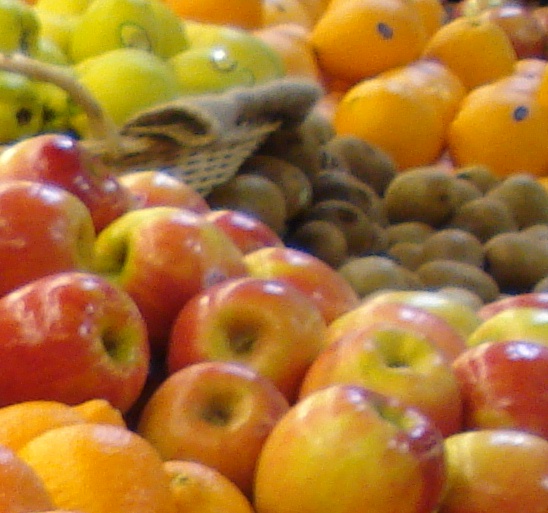
BEST FOODS to promote metabolism: Sour fruits (kiwi, juice of fresh lemon), pears, apples, plums, fish, turkey, chicken, legumes and vegetables.

Selenium.  One of the best natural sources of selenium is Brazil Nuts. Selenium is an important mineral that contributes to the health of the thyroid. 1 ounce of nuts a day will benefit the small gland.

Omega-3 fatty acids will also contribute to normal thyroid function, which can be found in fish and fish oils, as well as vitamin A, which improves thyroid receptor binding and thyroid hormone activity.

Tyrosine, an amino acid and a precursor for making thyroid hormoneA deficiency of tyrosine or low protein diets can contribute to low thyroid function.  Check with your doctor if supplementation at a dose of 500-1,500 milligrams (mg) daily, which has therapeutic benefits, is needed.

Exercise. Daily exercise stimulates thyroid gland function and increases tissue sensitivity to thyroid hormone.  Try walking, biking, dancing at least 20 minutes a day.  However, walking 30 minutes twice a day, seems to encourage both the fuctionability of the thyroid and weight loss versus weight gain normally associated with hypothyroidism. While with hyperthyroidism an exercise regimen should be advised by a doctor in order to monitor a fast heart rate.

By Kimberly Crocker

References

Nutrition to lower LDL, increase HDL Cholesterol

Cholesterol Reducing Foods

Plenty of fruits, vegetables, whole grains, and extra virgin olive oil are heart healthy and can be utilized to reduce cholesterol. By changing the way you eat total cholesterol can be reduced by 5 to 10 percent. Eat foods in which the skins can be consumed too. Consider the importance of monounsaturated fats like nuts and certain oils (replacing saturated fats all animal products: ice cream, butter, dressings.)

The soluble fiber found in fruits and veggies reduces absorption of cholesterol in your intestines, then binds bile (which contains cholesterol) and dietary cholesterol so that the body excretes it.

FRUIT 4 servings/day Great for Reduction: apples, prunes, pears, plum, apricots. Choose fruits whose skin can be eaten. Fruits with membranes or seeds are also helpful: oranges, grapefruit, pomegranates.

VEGGIES 5 servings/day Great for Reduction: Any leafy green, introducing roughage into the diet: broccoli, rapini, kale, collard greens, spinach, lettuce. Other helpful vegetables: avocado, garlic, beans. Soluble fiber.

WHOLE GRAINS 7-8 serving /day (1 serving size is 1 ounce) also Barley and Oats, Bran, Flaxseed!!! Soluble fiber.
Fish, Lean Meat, Poultry 2 servings/day. 3-4 ounces per serving (Eat more Fish which contains healthy omega 3 and 6 oils.)
Nuts about 1 tbsp 4 times a week. Walnuts, Almonds. (Monounsaturated fats.)
OILS 3 tbsp per day Extra Virgin Olive Oil is a monounsaturated fat and contributes to raising HDL (healthy cholesterol) and causes LDL cholesterol to be reduced.
Water 8 glasses / day

REDUCE LDL (Lousy Cholesterol)

The best way to reduce LDL and triglyceride levels is through Aerobic Exercise. By doing so you are telling your body what to do with the extra calories and creating healthy blood flow in your blody. This can be done by swimming, walking, jogging, rollerbladding. The idea is to move cholesterol deposits by increasing your heart rate, which will in turn cause blood vessels to dialate and blood to push through the body.

Reduce bread servings to 6 servings a day and alcohol consumption to every other day can both play a factor in reducing triglyceride levels.

Increase HDL (Healthy Cholesterol)

Food choices also play a critical part in reducing LDL and increasing HDL including substituting new flavors for old preferences; replacing dressing with extra virgin olive oil, seeds and pepper to your salads, providing your vessels with the necessary elasticity that they need (healthy mono and poly unsaturated fats.) Since oils are are fluid at room temperature  they will not clot your arteries the way that saturated fats found in butters and dressings will. Pan fried chicken with a small amount of canola oil, then turned in garlic, Marsala, seasoned with spices introduces potassium, and vasoldilators allicin and a touch of alcohol to open vessels and allow nutrients to function and remove unwanted blockage.

Its your body, Know the Healing Power of Food and make choices to improve your health for a living a longer and stronger life.  

By: Kimberly Crocker

For more information:

http://www.mayoclinic.com/health/cholesterol/CL00002

http://www.bddiabetes.com/us/main.aspx?cat=1&id=496

Acne, Healing Foods

Skin is made up of: Protein, Vitamin A (retinol), Vitamin C and Zinc. So it stands to reason that daily nutritional intake should be planned and followed so that skin remains healthy. Follow this link for Home remedy for acne topical treatment

This article reviews:

  1. Understanding the structure of skin
  2. What behaviors to monitor
  3.  Foods to reduce and eliminate
  4. Active ingredients important to skin care pharmaceuticals
  5. Which foods to include in a dietary intake

The  integumentary system comprises of: Skin, Hair, Nails and various Glands. The largest organ of the body is skin, having two layers, the epidermis and the dermis.

The Epidermis is the outer layer of skin that is visually seen and is made up of dead skin cells.  Caution is often given to scrubbing and facials, as to not negatively effect the epidermis, in which these dead skin cells monitor protection to the body from pathogens i.e. bacteria and virus, toxins, injury and water.

The Dermis is new skin, that is a deeper and thicker layer housing: blood vessels, sweat and oil secreting glands, nerve endings and hair follicles.

The appearance of skin, hair and nails are important to understanding the health of the individual, or any present deficiencies. Dry skin means that the body is dehydrated and needs water.

Research has shown that the presence of Acne is associated with, but not limited to: Anger and StressNutritional Intake, overproduction of Androgens and Type 2 Diabetes. PCOS  is acne commonly found in overweight women, who are told to follow a diabetic diet, obstaining from trans fat, saturated fat and to consume a diet with OMEGA 3.

Skin creams sold over the counter or are prescribed to heal acne contain vitamin A and zinc. Vitamin D is also critical to a skin’s health, but needs to come through nutrition and activated by the sun.

In many studies, the common link to reducing, or eliminating acne lesions are Nutrition Related and reduction of acne is evident within one week to 3 months.

  1. Eliminate trans fats
  2. Reduce, or eliminate for a period of time saturated fats: Butter, cream, ice cream, cheese, pork, salami, ham, sausage, red meat, cookies, chips, white breads, sugar, chocolate candy, carbonated drinks and processed grains

Introduce into your dietProtein, Vitamin A and C, Zinc, Omega 3. This can be easily done by preparing meals made up of:  multi-grains, fruit, vegetables, nuts and fish for omega 3 Extra Virgin Olive Oil.  Additionally, following a Low Glycemic Index Diet, according to research, is just as critical.

The following foods contain minerals and vitamins that are needed for flushing excess sodium, toxins and metals out of muscles and organs.

  • Protein, Vitamin B: oatmeal, multi-grain breads, egg, skim or 1% milk, lean red meat, chicken
  • Zinc: Wheat germ sprinkled onto salads and soups, pumpkin and sesame seeds, red meat, lamb,liver, oysters, peanuts, cocoa powder, watermelon
  • Omega 3 for reducing inflammation of skin: 4-6 oz or 112-168g of Fish / Salmon. walnut, almonds and flaxseed 2 tbsp.
  • Green Tea contains ployphenols and flavenols which are two antioxidants that promote cellular DNA and membrane structure, ( Great for Acne!). 
  • The listed fruits vegetables have the highest Vitamin A (RE value).

Foods high in Vitamin A (RE)

Vitamin A Fruits:  Apricots fresh or dried, Avocado, Cherries, Guava, Grapefruit, Oranges, Cantaloupe melon, Mango, Plantain, Pomegranate, Watermelon

  • Vitamin A Vegetables: Raw, or cooked, for no more than 7 minutes. Carrots, Broccoli, Dandelion Greens (chard) Mustard Greens, Cooked frozen vegetables no salt, Turnip, Squash, Spinach, Pumpkin, Tomato Sauce, Peas, Sweet Potatoes and Yams
Lastly, drink water 6-8 times a day and for an extra benefit of expelling excess sodium, toxins and metals out of muscles and organs, drink lemon water (1/2 lemon with it’s contents squeezed into glass of water  twice a day).
A home remedy to heal acne: Combine in a bowl 1/2 tsp water, 1/4 tsp turmeric and 1/8 tsp salt. With a cotton ball gently dab a small amount of paste onto acne and allow skin to absorb ingredients overnight. In the morning, gently cleanse to remove and refresh skin.

Servings Defined:

  • Fruits and Vegetables 1/2 cup = 1 Serving
  • Fats/ Oils 1 tbsp = 1 Serving
  • Lean Meat, Fish, Poultry 4 oz = 1 Serving
  • Glass of Milk or Water 8 oz =1 Serving

Recommended Daily Nutritional Intake

3 servings (use sparingly) fats, oils, sweets
2 servings (6 – 9 ounces) meat/protein
2 servings dairy
4 servings fruit
5 servings vegetables
4-6 servings bread/starch

Thank You to Pubmed for making available the research needed for this article.
By: K. Crocker-Scardicchio

References

Calorie Shifting Fad and Facts

Foods to Reduce Bloating & Promote Diet   

 Tea’s Body Healing and Weight Loss

 Benefits of Lemon Water 

Consider this question, “Who invented the word DIET?” Its origin has evolved over time and spelling varies with language, Old French diete taken from Latin diaeta: “A day’s journey, or a day’s meeting / assembly”;  from Greek diaita derived from diaitan: “Mode of living” or to direct one’s own life“.  The word “diet” was intended to describe a day’s journey or meeting, or ability to take control of one’s own life. Within the origin of the word rests an implication of our own individual daily needs and how we utilize that to effectively and efficiently run our lives and hopefully enjoying that moment at a table with others!

Today Diet’s are promoted by healthcare provider’s, encouraging quick weight loss, in order to ensure an individual of surgery with reduced amount of risk to them while undergoing the “knife”.  Sometimes the “diet’s” are given and the measures of weight loss are drastic! The individual is carefully monitored on a weekly basis with bio-markers constantly reviewed. Bio-markers that are watched with greatest of attention are: Liver enzymes, muscle loss, bone loss, various hormones, lungs, heart, urine. All which are critical to understanding the health of the body as it endures change.

Should we be calling it “Lifestyle” instead of “Diet”? A concept that needs to be enforced in the American Society on a regular basis. What are we eating and why are we eating it? These two questions should be foremost thoughts before picking up the food with the idea of consumption.  Different foods provide a purpose each and every day. There are foods with a higher level of potassium which certain athletes consume on a regular basis, i.e. banana’s, orange’s and peanuts. While other athlete’s in field sports may consume higher level of protein. If an individual is sick, larger amounts of chicken soup, onion and garlic may be necessary. While the sleep deprived may want to consider; warm milk, turkey, chicken and a handful of nuts, all containing tryptophan (amino acid), that converts to serotonin (hormone), providing a more restful sleep. Infections (yeast) can be curved with a 3 glasses of green tea doctored up with honey and cinnamon. 

The idea of having a perfect silhouette is attractive by magazine standards. How one gets there should be done with caution, listening to ones own personal needs and under the careful eye of a Doctor, or Dietitian.  More importantly, make sure that other’s know that you are making a LIFESTYLE CHANGE so they can root you on and also make sure that you do not go to extremes. Most will confirm that it is more challenging to re-start the eating process for maintenance than losing the weight.

A Lifestyle (diet) of Fish, Vegetables, Multi-Grains contributes to heath & longevity

What should be included in a “Lifestyle Change” is a healthy fat; a daily dose of minerals and vitamins (2-3 tablespoon’s) will contribute to the elasticity of veins, muscles (all organs) and ligament’s. Consider exchanging the bottled salad dressing for extra virgin olive oil when enhancing a plate of mixed greens and tomato’s (Sunflower, Peanut and Coconut are also good fat’s). A high quality fish fat should be included in a meal 3-4 times a week and comes from: salmon, tuna, anchovies, sardines, mackerel all have both omega 3 and omega 6. Animal fat should be kept at a minimal of 2-3 times a week (aiming for a 7% animal fat) including: poultry, red meats, pork. Dairy fat’s are solid at room temperature, therefore must be consumed in smaller amounts daily: Butter (1 teaspoon), Cheese (1 ounce daily), Milk (skim or 1% 2-3 cups a day), Ice Cream (low fat 1/2 cup sparingly).

Below is listed a three day Calorie Shifting meal plan. Please note that the CS diet is NOT recommended or promoted.   This is all you would eat in three days!!! It lacks daily serving requirement’s of: fruit, 5 vegetables, a healthy fat, multi-grains (B vitamins i.e. folic acid for the brain & central nervous system) all critical to maintaining a healthy body.

Day 1

Meal #1: Scrambled Eggs Meal

Meal #2: Sandwich (any type)

Meal #3: Flavored Oatmeal

Meal #4: Tuna Salad

Day 2:

Meal #1: Cottage Cheese

Meal #2: Scrambled Eggs [and] Mixed Vegetables

Meal #3: Chicken

Meal #4: Banana Milk Shake

Day 3:

Meal #1: Chicken

Meal #2: Fish Fillet

Meal #3: Cottage Cheese

Meal #4: Fruit Salad

HOLD ON!  Not all is doom and gloom….

The following MEAL PLAN is recommended for anyone and provides the daily intake of minerals and nutrients that your body needs to stay strong and healthy.  You can absolutely lose weight on this diet!  It’s loaded with fruits, vegetables (which burn the most calories when metabolically broke down), grains, protein and fat.  Most do not realize that eating vegetables is a trick to weight loss, due to the amount of energy your body utilizes to them breakdown.  As with any food that one consumes, read the food label to understand what a serving size is before over loading your plate and understand your meal plan when preparing your grocery list.

Follow the catagory on the left column for fruit, vegetable, meat, or bread.  The right side of the column provide just a few suggested food items.  (LS or Low Sodium is heighly recommended for weightloss.)  Vegetarians may choose meat substitutes, Tofu, beans, nuts or eggs.

Breakfast
Bread or Cereal…. Oatmeal LS, Total Cereal, Cheerios
Fruit…………………..Apple, Orange, Pear, Apricot, Banana, Cherries, Berries
Milk……………………Skim or 1% (8 oz), Low or nonfat Yogurt

Snack am
fruit (1-2 of choice.  1 fruit is 1 serving size), or Blend 2-3 Fruits with 4 oz OJ 

Lunch
Vegetable……………Cole Slaw, Green Salad, Veggie Salad, Pepper sticks, Broccoli, Cucumber
Vegetable……………LS Cream of Potato Soup  (Choice of Soup, Salad, Vegetable)
Meat (3 ounces)………Tuna, Turkey, Herring, Salmon, Beef, Chicken
Vegetable…………..(Any) Twice baked sweet potato, Aparagus saute’ EVOO and Garlic

Fruit……………… …Fruit Salad or Fruit of Choice, (Avocado and Tomato seasoned, EVOO)

Snack pm
1 0z …………………..nuts or seeds (unsalted)
Milk…………………. 1% Skim or 4-6 oz low or nonfat yogurt

Dinner
Meat (3 Ounces)………………. Chicken Patty, Pork, Beef, Fish, Turkey,
Bread……………… (Bread is optional.  Choose whole grain or wheat bread.)
Vegetable………..Lettuce, tomato and onion (cooked or raw)
Vegetable……….. Baked beans
Fruit………………. Kiwi-Strawberry or a 
 LS, Reduced sugar content Dessert acceptable i.e. Sherbert

Do your research before starting on a Meal Plan and altering your dietary intake.  Remember to consult with your Doctor or Dietitian so that you can make the necessary changes to a healthier lifestyle.  For more info on how to enhance Lifestyle Change read: “How to nutritionally and effectively Down Shift to 1350 Calories per day”; “How Tea’s effect weightloss” and Flatten your Tummy for a Poolside Silohouette“.   

By: Kimberly Crocker-Scardicchio

Literature Research

http://www.healthalternatives2000.com/fruit-nutrition-chart.htmlhttp://www.cancerhelp.org.uk/help/default.asp?page=116#stemhttp://www.ifanca.org/newsletter/2002_07.htmhttp://ezinearticles.com/?Calorie-Shifting-Meal-Plan&id=870062http://www.ncbi.nlm.nih.gov/pubmed/15930970?ordinalpos=4&itool=EntrezSystem2.PEntrez.Pubmed.Pubmed_ResultsPanel.Pubmed_RVDocSumhttp://www.ncbi.nlm.nih.gov/pubmed/17412526?ordinalpos=3&itool=EntrezSystem2.PEntrez.Pubmed.Pubmed_ResultsPanel.Pubmed_RVDocSum