OMG !!! & Other Popular Diets

A well written article by Emily Jupp on June 12, 2012 for The Independent, in which she  pursues the challenge of the OMG Diet and attentively documents her journey, discusses what the facts are, and her overall impression about this latest diet. Thank You Emily for allowing me to share your story!

“You’ve heard of Dukan, scoffed fat on Atkins, fainted from drinking only honey and lemon water and lost friends from the noxious side-effects of the cabbage diet. Now there’s a new one, this time designed to inspire jealousy and help you to “get skinnier than all your friends”. Six Weeks to OMG comes out in print next month. It has knocked the Dukan Diet off the top of the iTunes diet book chart and a subsidiary of Penguin has bought it for a seven-figure sum.

The book, by British sports scientist and personal trainer Paul Khanna, who goes by the pen name Venice A Fulton, offers controversial tips, such as skip breakfast, take cold baths and drink black coffee. But for short-term weight loss, can the OMG diet really help you shed pounds? Consultant Dietitian and Sports Nutritionist Linia Patel, Dr Christian Jessen, the presenter of the Bafta award-winning Embarrassing Bodies series, and the celebrity fitness trainer Jay Darrell Ingleton explain the science behind Fulton’s unconventional theories. I’ve also given Fulton’s tips a try, in a (highly unscientific) experiment, to see how tough they are to stick to.

Skip breakfast……What do I do for energy?

Fulton says skipping breakfast will help to stop you becoming a “fadult” (that’s a fat adult to you and me). “Breakfast is for wimps!”, he writes. He recommends exercising first thing in the morning on an empty stomach and then only eating once three hours have passed, so that your body is forced to burn stored fat rather than food.

The expert view: “Skipping breakfast is a weight-loss disaster,” says Patel. “When you wake up your body produces cortisol, a stress hormone that helps store fat. If you don’t eat, you are putting your body under more strain and stress and therefore more likely to gain weight around the middle. Also, you will want sugary and fatty things when you’re really hungry, which add to weight gain.”

My experience: I skipped breakfast and still had enough energy to run up the stairs on the underground (my “workout”). It didn’t affect my concentration and I ate breakfast at 10am. It was easy, but I consumed exactly the same amount that I usually eat, so I doubt it made much impact on my weight.

Drink black coffee before exercise

Fulton says the caffeine in a cup of black coffee will help to boost your exercise routine: “It’s nature’s cheap and secret potion,” he writes. But he warns against adding any milk or sugar to your drink, because “either would tell your body that food’s arriving,” which, in theory, will prevent it from burning its fat stores.

The expert view: Dr Christian Jessen says coffee can help, but there’s no secret trick to it. “After 12 hours or more of filming, mustering the energy to get to the gym can be hard,” he says. “Coffee gives me the energy to just about squeeze in a workout. It’s a stimulant and that’s what I use it for, but it doesn’t make your workout more efficient.” He also warns that liquids contain calories too. “People forget fluids such as the Starbucks coffee mocha creamy coffee thing can be high in calories. Adding milk and sugar to coffee will add to your intake. Remember your hard work in the gym is lessened by a highly calorific drink beforehand.”

My experience: It made me feel more energetic, which probably helped to psyche myself up for the gym.

Take cold baths….How Cold?

Fulton recommends taking baths of between 15C and 20C to “help you lose calories fast”. He says the cold boosts adrenaline, which he says is particularly good for burning the fat stored in women’s thighs.

The expert view: Ingleton says that a lot of athletes will take ice baths to help their muscles recover. “When athletes do it after a workout it gets blood to the muscles quicker. It has to be freezing otherwise it won’t work, but the author is not saying go to that extent. Also I don’t think everyone will be working out like a top body-builder. For normal people, it probably won’t make much difference to weight-loss.”

My experience: I opt for a cold shower, which is horrible. It feels like my body is in shock and makes my heart race. Afterwards, my skin looks bright and glowing and my clothes feel really warm, but the results don’t outweigh the awfulness. I couldn’t stick to it every day for six weeks.

OMG DIET says, “Eat less fruit” …..REALLY?                                                                                                                

Fulton says you should eat as little as one piece of fruit a day during the diet period, although after the six weeks are up he encourages more balance in your diet.

“Fruit can be a cheeky devil,” he says, because it contains fructose, which can turn to fat if it isn’t burnt off.

The expert view: “It’s all about calories,” says Patel. “We recommend you eat five pieces of fruit and veg a day, but if you want to lose weight have more vegetables than fruit, as fruit is more calorific. It’s ridiculous to just eat one piece of fruit a day for six weeks, because you’re losing out on essential vitamins and minerals.”

My experience: I replaced fruit with colourful salads and felt fine, but I missed having a late afternoon snack and bought a coffee loaded with honey instead of fruit – Fulton wouldn’t approve.
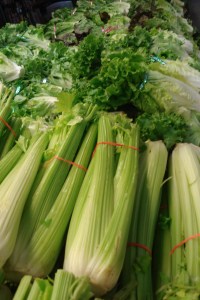
Swap Vegetables for Coke….. WHY?

Fulton says eating unhealthily in the short-term is OK if it makes you thin. “[For some people] to get skinny”, he writes,”it makes no difference whether they get their daily carbs from cans of Coke or from broccoli… for six to 12 weeks there’s no harm in using this knowledge to get super-skinny.”

The expert view: Patel says: “Broccoli is a fibrous carb that helps digestion and gives you nutrients. If you lay off fibrous carbs like bread, pasta and vegetables then you will be constipated with no energy.”

My experience: I’m far too fond of vegetables and regular bowel movements to attempt this one.

The Truth about Duelling diets

If you don’t like the sound of OMG, there are other diets that also promise fast weight-loss, but Dr Jessen warns that we shouldn’t expect miracles: “Coming off the diet and coming back to normal is when the weight can pile back on. Dieting should be about taking a healthy, sensible approach that will work in the long-term. Don’t try to cut everything out at once. Life is about enjoyment, too, and that’s why you work hard, so you can indulge in a cheeky cake in the afternoon if you fancy.”

The Headspace Diet:

10 Days to Finding Your Ideal Weight (Hodder & Stoughton). This is where you think deeply about every mouthful you eat and therefore, the theory goes, consume less.

“Being mindful while you eat is great, as most people tend to eat until they are stuffed,” Patel says. “It takes about 20 minutes for the stomach to signal to the brain its full – but most of us can polish off two platefuls in less than 10 minutes!” But she warns that this diet has its risks. “Eating a tiny portion each meal, you would risk not getting in enough nutrients to keep you healthy.”

The Baby Food Diet

This involves just eating jars of baby food in place of your normal, adult-size meals.

“Baby food is full of nutritious vitamins, which are easily digestible,” Ingleton says. But he warns it’s hard to feel satisfied with the lack of texture, and it’s easy to go over the three-to-four jar allowance and overeat.

The Raw Food Diet

“The raw food diet contains fewer trans fats and saturated fats than general Western diets and it can lead to weight loss and may give you more energy,” Ingleton says. He warns that there is a risk that the diet lacks some essential vitamins and fatty acids, so you would need to take vitamin supplements.

The Blood Group Diet

Devised by Peter J D’Adamo, this is when you cut out dairy, meat, wheat or grains depending on your blood type.

“There is no reasonable scientific basis for this,” Ingleton says. Patel agrees: “You risk getting an unbalanced diet if you are cutting out a whole food group.”

The Dukan Diet

Like the Atkins diet, the Dukan diet involves eating mostly protein for a few weeks and then gradually introducing other foods.

“It’s a high-protein diet, so while it might work for some to kick-start weight loss it won’t work for all, as it’s hard to cut out carbs,” Patel says. “You risk having low energy.””

Read Your Palm, Determine Your Diet

Open hand, read your palm to know your serving size of meat.

Read your own palm and know your personal dietary needs. An open flat palm (don’t include the fingers) shows the size of meat, poultry or fish that YOU should consume. The thickness and the length of the palm perfectly identifies your personal protein needs. While an individual’s fist size (closed hand) can give you your own serving size for fruit and vegetables.

Your fist size determines your own single serving.

Clear the confusion over serving size, don’t let it upset your apple cart and ruin your diet! By better understanding what a serving size may look like, consider these unique tips to trigger your memory the next time your prepare a meal, or go out to eat a restaurant. Ones body can tell an individual how they must eat to meet their own individual needs. Remember, in order to not over eat, drink (245 ml) 1 glass of water before your meal and another during the meal.

Serving Sizes: Use the list below to measure foods and serving sizes. A serving size means the size of food after it is cooked or prepared.

  • 1 teaspoon (tsp) is about the size of the tip of your little finger (from the last crease)
  • 1 tablespoon (Tbsp) is about the size of the tip of your thumb (from the last crease).
  • 2 tablespoons (Tbsp) is about the size of a large walnut.
  • One ounce of hard cheese is about a 1 inch cube.
  • 3 ounces of cooked meat, fish, or poultry is about the size of a deck of cards.
  • 1 ounce of cooked meat, fish, or poultry is about 1/4 cup (c).
  • 1/2 cup of fruit or vegetables is about half of a fist (A serving of cooked vegetables is 1/2 cup (1/2 handful) or 1 cup (1 handful) raw.)
  • 1 cup of food is the size of a fist, or 8 fluid ounces of liquid.
  • 1-1/2 cup (12 fluid ounces) of liquid is the size of 1 soda-pop can.
  • 1 pint or 2 cups (16 fluid ounces) of liquid is the size of 1-1/3 soda-pop cans.

The American Dietetic Association counsels that individuals maintain a healthy lifestyle by
including the following into their dietary intake:

  • 4 Serving Fruits
  • 5 Servings Vegetables
  • 2 Servings of Milk
  • 2 Servings of Protein
  • 2 Servings of Healthy Fat (2 Tbsp of Extra Virgin Olive or Canola Oil)
  • 6-11 Servings of Bread (Determined by body size; men eat more bread servings, while women eat less.)
Be smart and plan each meal! When choosing foods, aim for a daily total of 25-38 grams of fiber that will come from Vegetable, Fruit and Multi-Grains.
By: Kimberly Crocker- Scardicchio

References

Satisfying 1200 Calorie Diet

A 3 Step Plan to Achieving a 1200 Calorie Diet Can Work for You!  By loading the calories on the earlier part of the day, then gradually reducing intake, energy is used into the evening.  The suggested plan is for:

  • reducing dietary intake
  • promoting weight loss
  • for the individual who is not physically inclined to move as often.
  • slow metabolism (i.e. hypothyroidism)

Reducing and controlling the intake of energy by cautiously planning meals is easy to do by simply following 3 Steps.

Step 1: Move the higher caloric dinner-time to a lunch menu, allowing energy to be expended over the day instead of packing the calories at night when they can turn to fat quicker, because of less movement and exercise on an individual’s part.

Step 2:  Promote effective digestion by adding: the juice of  a 1/2 lemon freshly squeezed to 1 glass of water and drink the special “lemonade” twice throughout the day.  After meals chew on 6-12 fennel seeds to add: fiber, reduce gas, natural phyto-estrogens and freshens breath.

Step 3: Plan Each Meal, pick and choose your food, aiming for the total suggested calories per snack or meal.

BREAKFAST is important to fueling your day with energy and focus throughout the morning.  Begin your day by drinking 2 glasses of water then choose your menu, aim for 300 calories for breakfast, try to include 1 fruit.

  • 1 egg  (211 calories)
  • Yogurt 1% milk fat 8 ounces (218 calories)
  • Slice multi grain bread (69 calories)
  • 1 tsp Jelly (40 calories)
  • 1 tsp honey (49 calories)
  • Slow cook unflavored oatmeal made with water (14 calories)
  • Glass 1 % Milk 8 ounces (110 calories)
  • Orange Juice 6 ounce (71 calories)
  • 1 Cup coffee (5 calories)
  • 1 fruit (70 calories)
A.M. SNACK time is a way to pick up and recharge allow for 100 calories
  • 1 fruit  is one serving size (tennis ball size), on average varies in 70-85 calories
  • 1/2 ounce of nuts (80 calories)
  • 1/2 ounce sunflower seeds (82 calories)
  • 1 glass water
LUNCH anytime between Noon and 2:00 pm provides a boost to get throughout the day. A larger lunch provides a feeling of satiety that will last to light dinner.  Begin with 1 glass of water then opt for: 1 protein, 1 bread, 2 vegetables, 1 fruit. Aim for 500 Calories.
3 ounces of any protein:
  • Fish (138 calories)
  • Chicken (245 calories)
  • Red Meat (213 calories)
  • Pork (207 calories)
  • 1 cup beans (215 calories)
  • 1 cup lentils (226 calories)
Bread
  • White Rice 1/2 cup cooked (85 calories)
  • Long Grain Brown Rice 1/2 cup cooked (108 calories)
  • Pasta cooked (140 calories)
Vegetables
  • Green Salad (60 calories)
  • 1/4 cup: sliced Carrots or snow peas or beans (25 calories each)
  • 1 tsp olive oil / vinegar dressing (45 calories)
Fruits
  • 1 fruit (70-80 calories)
  • 1/4 cup berries (16 calories)
  • 4 prunes (80 calories)
P.M. SNACK for  a total of 70 Calories
  • 1 fruit (70 calories)
  • 1 glass of water
DINNER time keeps it light. Best time for dinner is when hunger hits. Begin with a glass of water and have dinner between 6:00-8:00 pm allowing for digestion and a full nights sleep. Suggestion: Soup and salad or 2 vegetable and a fruit serving.  Goal is 230 calories, include 1 glass of water before or with dinner.
  • sweet potato baked (115 calorie)
  • 1 cup salad (60 calories)
  • 1 cup vegetable soup (110 calories)
  • roasted pepper and mushrooms with minced garlic and 1/2 tsp olive oil (80 calories)
  • 1 sliced whole red, green, yellow peppers  (37 calories)
  • 1 cup sliced zucchini (20 calories) saute` with 1/2 Tbsp olive oil (80 calories) and minced garlic
  • Saute` or grilled portobello mushroom (80 calories)
  • 1 glass milk (110 calories)

Before bedtime have a glass of water. Allow eight hours of rest to promote additional calorie loss and waking up refreshed and ready to begin a new day!

By: Kimberly Crocker-Scardicchio

  • Lemon Juice:  http://eatknowhow.com/2008/01/28/gas-pains-drink-lemon-water
  • Fennel Seeds: http://eatknowhow.com/2011/12/05/fennel-seeds-to-restore-health

Recommended Daily Intake of Vitamins & Minerals

Recommended daily intake of vitamins and minerals and actual breakdown of Vitamin Content for Vegetables and Fruits with a glance at Mineral Content on Fruit and Vegetables Informative links that nicely graphs the proper milligrams of vitamins and minerals that should be ingested on a day to day basis with warnings about how they may create organ sensitivity or organ damage.

Eat Know How.  Know the Healing Power of Food

Recommended link: Vitamins and Minerals

LS DASH Diet, Reduce Sodium Intake

“Dash Diet”

Avoid eating canned food high in sodium. Instead, choose fresh or frozen foods.

The average American presently consumes 5-8 tsps of salt per day! This is extremely dangerous in the long run for your organs, but specifically for the heart and kidneys.

Dietary Approaches to Stop Hypertension(DASH), or a low sodium diet is  an easy lifestyle to adapt by limiting salt intake to 1-2 tsp’s per day & add potassium to provide balance and flushing out excess sodium with:

Meals with vegetables, fish and fruit help reduce sodium levels

  • Fresh Fruit
  • Fresh Vegetables
  • Legumes (dried, cooked at home, seasoned: garlic, onion, rosemary)
  • Fresh Fish.
  • 6-8 Glasses of water or tea.

Following the Mediterranean or DASH Diet gives a person the proper amounts of food consumed at each sitting therefore reducing risk of hypertension for an individual.  There are a variety of Salt Substitutes on the market.   Mrs. Dash is commonly used and a favorite of most, does come in a variety of flavors. However, vegetables tossed and sauteed in olive oil with fresh herbs and fish or meats prepared with spices and herbs, add flavor and reduce sodium. Obtain more ideas on how to use Herbs and Spices to Replace the Salt Shaker

Fluids are equally important to a successful diet.  Lemon Water made with 1/2-1 freshly squeezed lemon in a glass of water each day, an additional source of potassium to rid the body of excess sodium . Foods to restrict if instructed to follow a Low Sodium Meal are: Carrots, Celery, Spinach, Beets.  Additional tips:

  • Stop consuming tap water that is conditioned with a water softener
  • Drink bottled water and Green, Black or White Tea
  • Rinse all canned foods really well before preparing them. Quick rinse reduces sodium by 41%. 3 minute rinse reduces sodium by a higher percent.
  • Read food labels. Buy pre-packaged foods with mg of Potassium  should be higher than mg of Sodium.

Meal Plan Low Sodium (LS)

Breakfast
Bread or Cereal…. Oatmeal (Instant “Heart Healthy Advanced Nutrition” LS and high Potassium)
Fruit…………………..apple, orange, kiwi, banana, dried apricots, prunes, raisins
Orange Juice or skim 1% Milk.

Snack am
Fruit

Lunch
Vegetable……………cole slaw
Vegetable……………LS Cream of potato soup, baked sweet potato
Meat…………………..meatloaf with LS Gravy (3 0z). grilled or baked salmon, fish
Vegetable…………..twice baked potato and steamed green beans
Bread…………………wheat Roll
Dessert……………..orange sherbet, pears, plums

Snack pm 
Fruit…………………..(Choose 1) banana, Kiwi, orange, seasonal fruit
Milk…………………. ..4-6 oz low or nonfat yogurt

Dinner
Meat……………….,,seasoned Chicken Breast (3 oz)  (turned in freshly chopped herbs and garlic)
Bread……………….sesame seed multi grain bun,
Vegetable………….Lettuce, tomato and onion (cooked or raw)
Vegetable……….. .soup Lima or white beans, salad with avocado, beets, spinach
Fruit…………………fruit, melon……………LS apple pie

References