Feed Your Libido…

The best sex begins with great nutrition, according to international studies. Research on Maca is praised for: energy, strength, stamina, libido and sexual function. Doctors and Dietitians confirm that making certain minerals, vitamins and herbs as a part of your daily diet could add some zing to your step and encourage the Health Benefits of Sex.

Almonds, Basil, Vanilla are said to have a perfumes that entice and stimulate attraction.

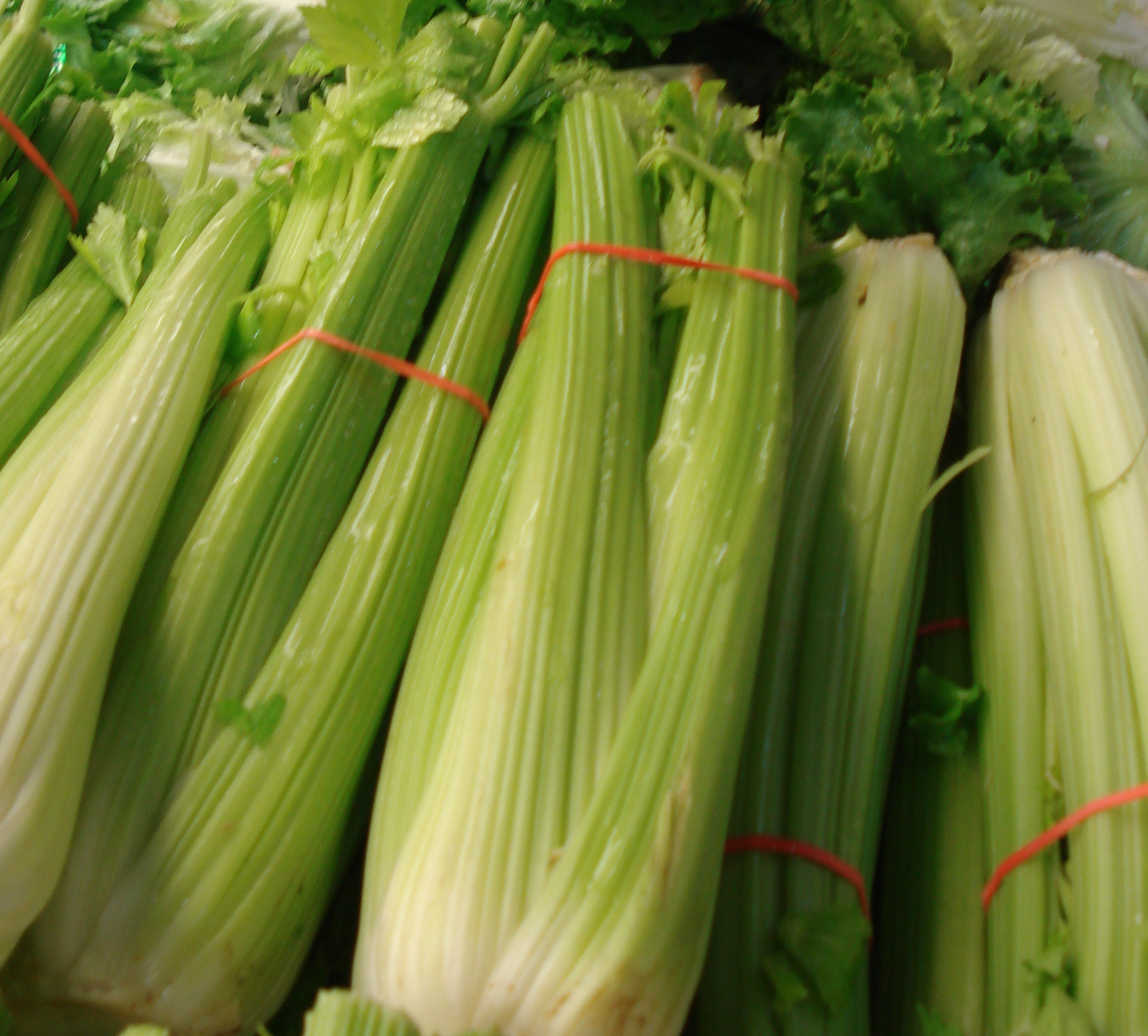
Celery contains androsterone, a male hormone.  When men eat the celery, pheromones are released through the sweat glands, which then stimulates the female attraction. 
Dietary Source:  Truffles have the same effect!

Figs are fantastic finger foods to be shared between lovers.  They are high in Potassium, fiber, calcium and are all around heart healthy.

Garlic when crushed, releases an active enzyme called allicin.   Allicinassists in: erections, raises HDL cholesterol and fights off a variety of diseases.  The lack of an erection is typically due to reduced amounts of Nitric Oxide in the body.  Allicin inhibits iNOS (induced nitric oxide synthase) and allows nitric oxide to work better in the body.  Those with ED, may be showing a more serious problem that should be brought to your doctor’s attention.  

Dietary Source: Garlic clove: minced  in a vinaigrette,  tossed with vegetables, or rubbed onto a warm slice of baguette bread.

Maca is an herb/ (root) found in Peru, that has been studied for it’s health benefits. Maca is praised for: energy, strength, stamina, libido and sexual function (proven to correct ED). Similar to graham flavor, maca can be added in cookies, cakes, blender drinks, chips, or taken in a capsule (500mg 3x’s/day).

Potassium assists in the body’s electrolyte balance by pushing out excess sodium from cells. It promotes nerve transmission, muscle and nerve functions and a strong healthy heart. 

Dietary Source: fruits, vegetables and legumes.
Vitamin B.

  • Increase mood stability
  • Creates energy reduces headaches, (B-2)
  • Increase blood circulation and is a vessel dilator (B-3).
  • Improves fertility and promotes heart health, (B-12)
  • Reduce depression and stress (B-5 and B-7),
  • Reduces weakness, numbness, tingling in arms, improves on diabetes (B-6)

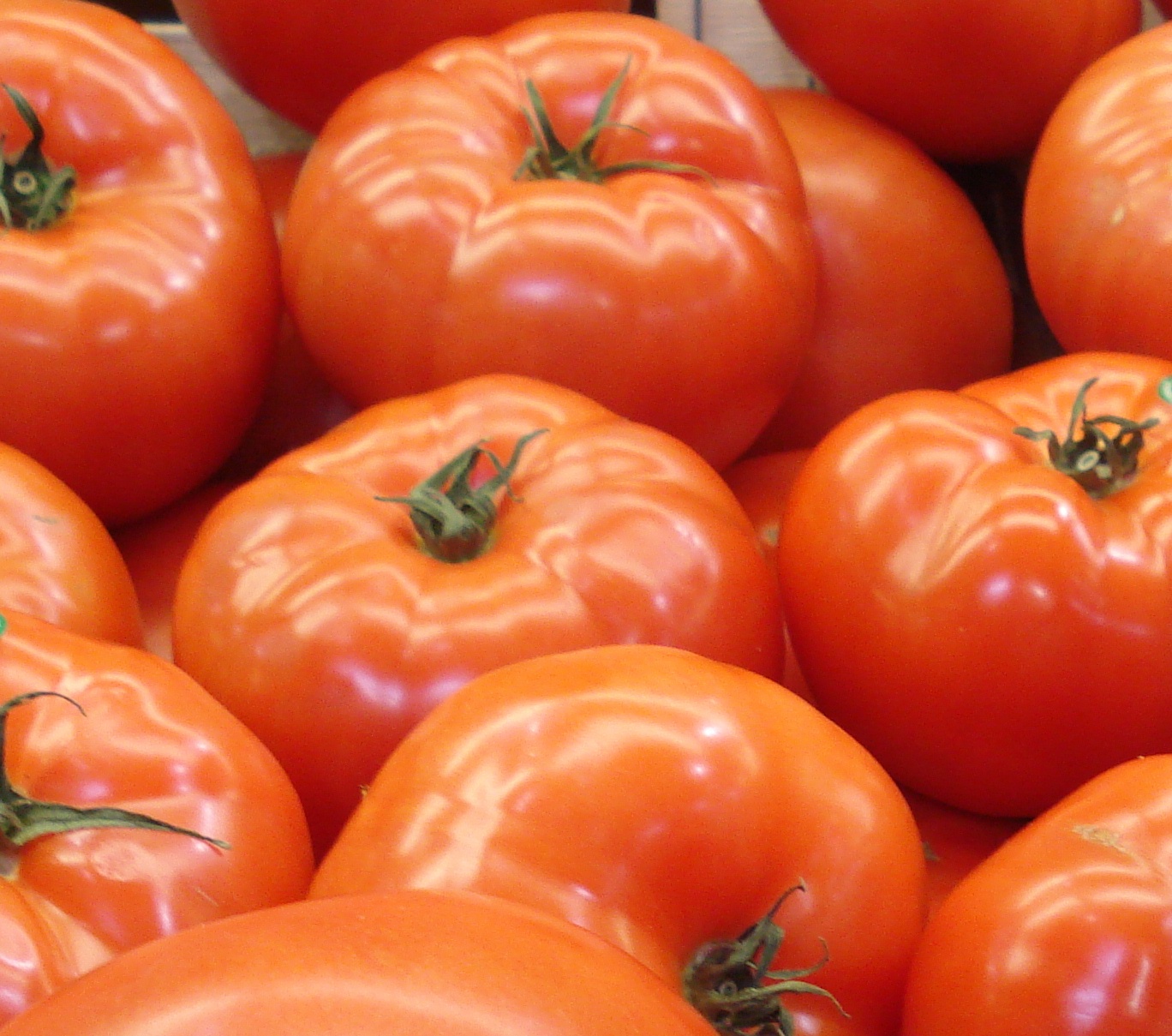
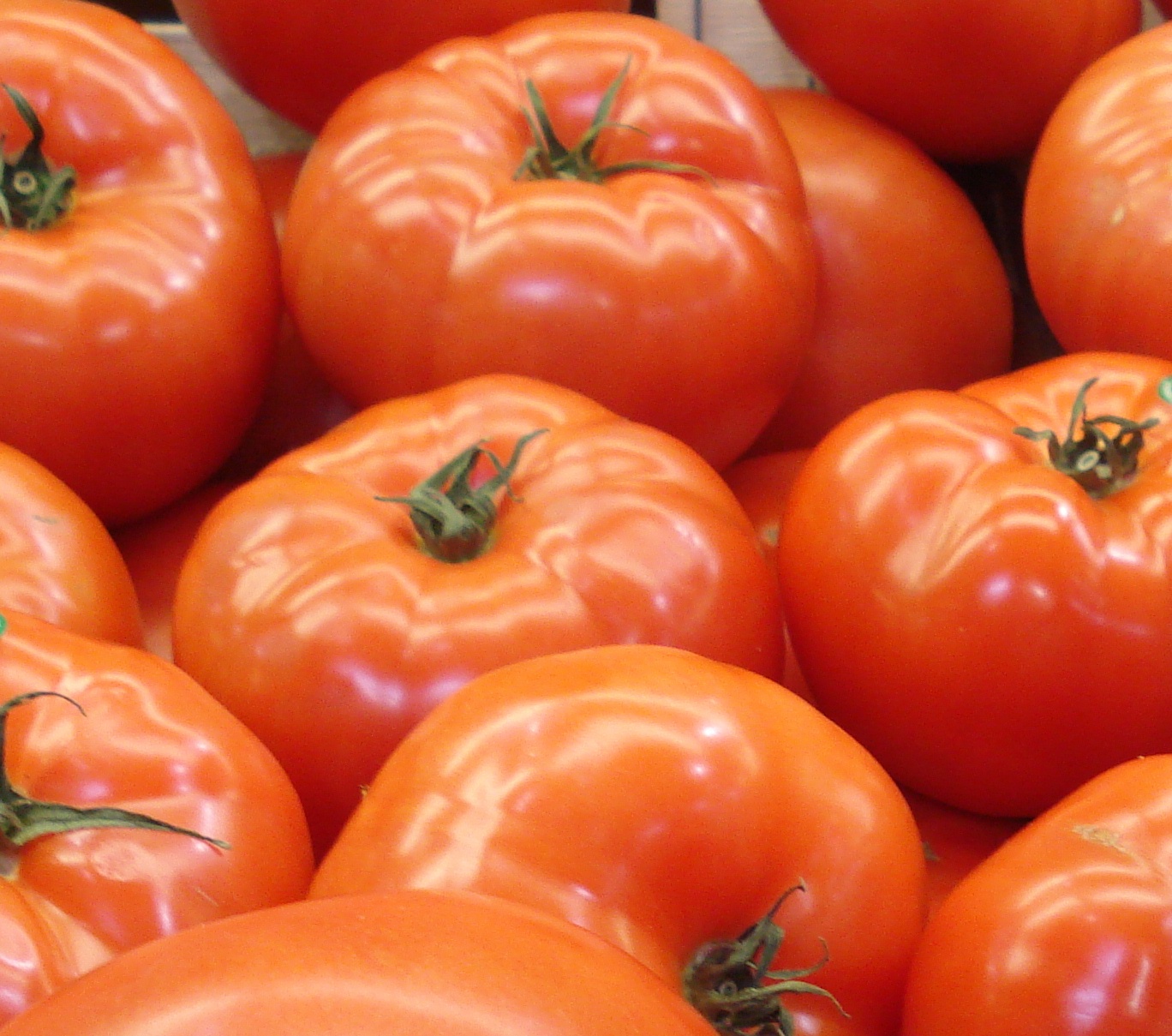
Dietary Source:  Fortified Cereal, Garbanzo Beans, Chicken, Banana, liver, meat,  eggs, spinach, tomato, potatoes.

Vitamin E   is an important body lubricant for all organs and muscles. Additionally, it keeps skin, eyes and the heart healthy (increasing HDL cholesterol). 

Dietary Source: Extra Virgin Olive Oil (EVOO), Avocado, Almonds, Olives, Nuts, Seeds

 Zinc plays an important part in the desire to reproduce. Including, organ function, increase of sex hormones (estrogen, androgen’s, testosterone) and sperm production.  
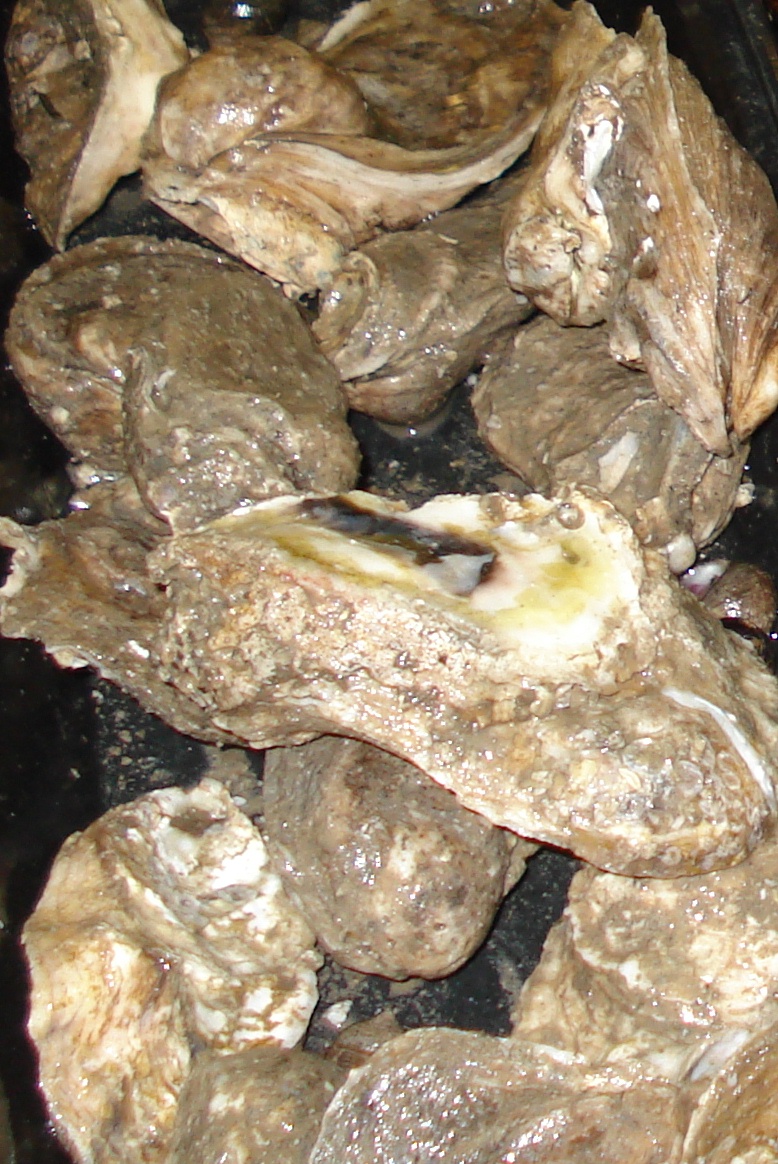
Dietary Source: Oysters, beef, pork, dark meat poultry, lamb, peanuts, legumes, (meat /egg protein enhance zinc). 

Ideal Dinner for Two

Substitutions

  • Alcohol: Sparkling Water with lime slice and after dinner coffee (aphrodisiac)  
  • Vegans: Lobster or Tofu instead of steak
  • Shell Fish: Prosciutto, Olives, Almonds, Bruschetta

AMBIANCE

Cover table with a white table linen and lightly scatter rose petals. Or, be adventurous, use fresh basil leaves and halved almonds, instead.  Place a low lit vanilla candle in center of table.

APPETIZERS: 

  • Begin with 1 of Glass of wine (don’t over do it or the plan will fail!) 
  •  Oyster on half shell (or mussels and claims)
  • Olives.

SALAD: 

  • Red Leaf lettuce,
  • Arugula,
  • Figs chopped
  • Avocado slices
  • Raspberry vinaigrette

DINNER: 

  • 4 ounce fillet Mignon top off with  sauteed onions in EVOO,
  • Mashed Potatoes,
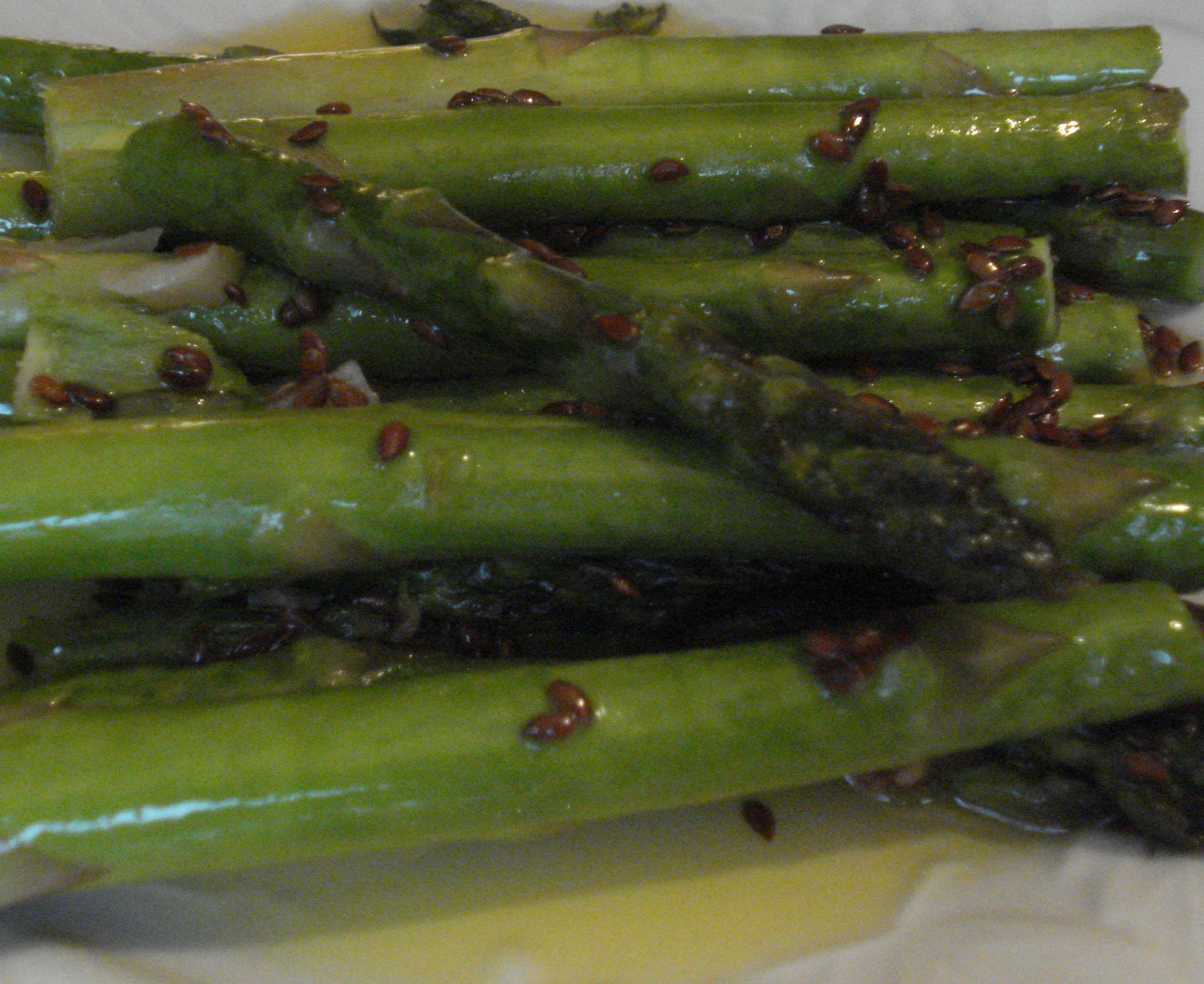
  • Steamed green beans and thinly sliced carrot sticks (or Asparagus). Toss with 1tbsp of EVOO, 1 minced garlic clove and chopped almonds.
  • May serve with multi-grain bread.

DESSERT: 

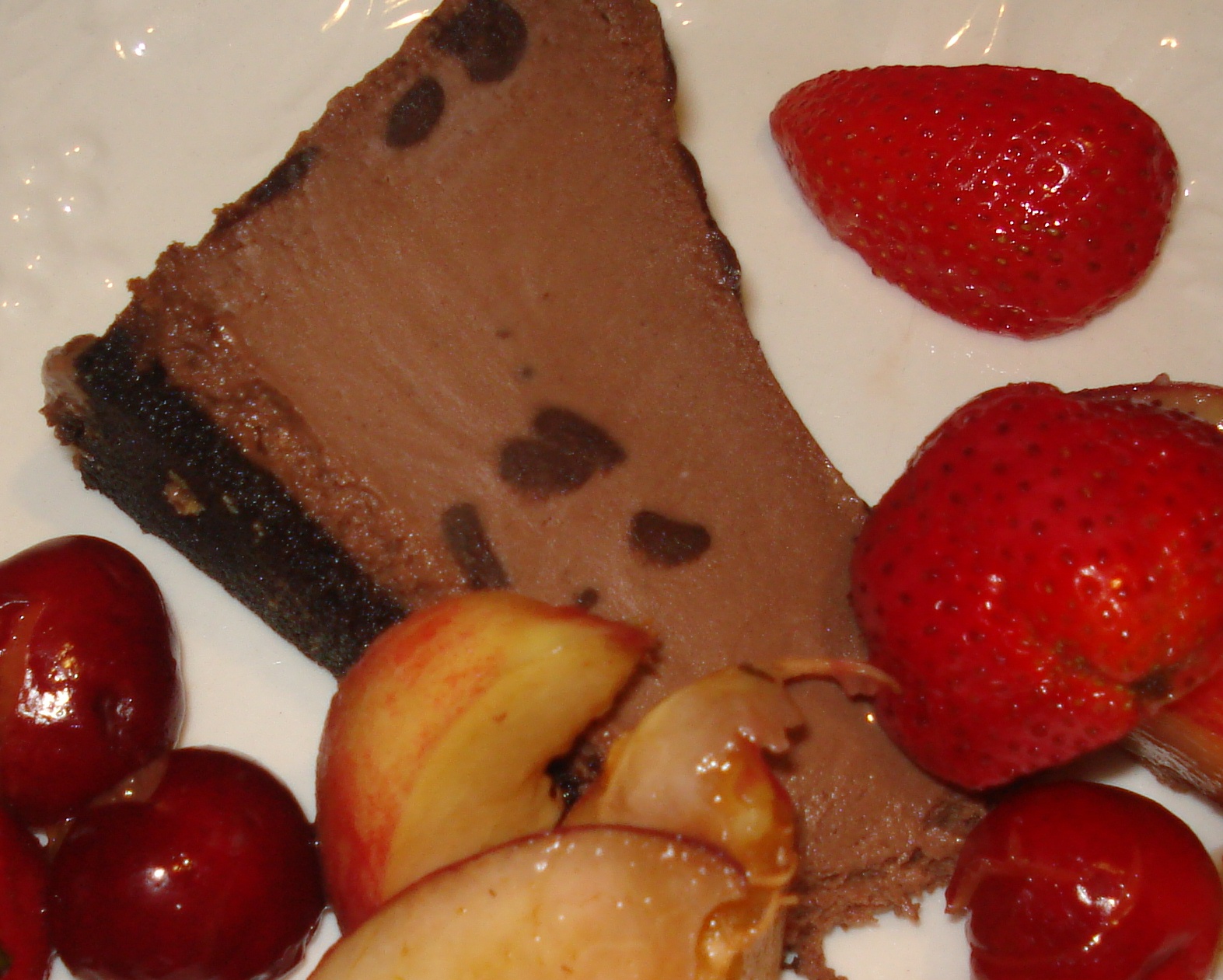
  • Chocolate cake (made with a small amount of Maca),
  • 1 glass Spumante
  • Strawberries to enhance flavor of wine.

By:  Kimberly Crocker

 Global Literature Research

  1. Lonnerdal B. Dietary factors influencing zinc absorption. J Nutr 2000; 130: 1378 S.

Weightloss! Easy Diet, Keep it Off!

It’s official, Spring and weightloss is putting us on the scale!  The quickest way to lose weight is to consume VEGETABLES, thereby, giving your body the opportunity to work at breaking down the soluble fiber and nutrients, while increasing the body’s metabolism.  

4 servings Fruits,

5-6 servings Vegetables,

2 servings of 3 oz meat, poultry or fish,

2 servings EVOO (Extra Virgin Olive Oil),

4-5 servings your choice:  grains, pasta, rice or bread,

1-2 servings skim or 1% milk

Additional studies published in “The American Journal of Clinical Nutrition” put forth the results of a randomized study that compared a “reduced fat diet (RF)” and a “reduced fat intake and increased fruit and vegetable intake (RF+FV)”.  The study concluded that the greater weightloss after six months was sharply noticed with the combination diet of RF+FV, by 1/3 more total weightloss!  “Reducing dietary energy density, particularly by combining increased fruit and vegetable intakes with decreased fat intake, is an effective strategy for managing body weight while controlling hunger.”  Additionally, they noted that maintenance of the weightloss was also more prevalent, “The 2 strategies for reducing energy density that were tested in this trial were both effective in reducing body weight and maintaining weight loss without prescribing limits for energy or fat intake.”  Other studies, such as the Dash Diet, TLC Diet and Mediterranean Diet concur that combining the RF+FV is the healthiest and most effective way to go. Don’t forget to exercise 20 minutes a day to encourage increased weightloss.

Find your Dietary Meal Plan here:

TRY SOME “NEW TO YOU” FRUITS AND VEGETABLES 

FRUITS

Apricots: Dried, cooked, unsweetened 1/2 cup
Banana, raw 1 medium
Clementines, raw 2 small 
Grapefruit juice: Canned or frozen, unsweetened 3/4 cup
Fresh 3/4 cup Honeydew melon, Cantaloupe
Nectarine, raw 1 medium
Orange juice: 6 ounces
Peaches: Dried, cooked, unsweetened 1/2 cup
Pears: Dried, uncooked 1/2 cup, Pear Juice
Pomegranate, raw 1 medium
Prunes, dried, cooked, unsweetened 1/2 cup
Raspberries, Strawberries, Blackberries, Blueberries, Gogi Berries,
Raisins, Craisins 1/4 cup
Watermelon, raw About 1 3/4 cups diced

Grilled Mango and Pineapple Sticks

VEGETABLES

Artichoke, globe (french), cooked 1 medium
Asparagus, cooked 1/2 cup, Raw 1 cup
Beans: Green, carrot sticks (steamed, add garlic, salt pepper, EVOO) 1/2 cup
Lentils (Lebanese or Jordanian style), cooked 1/2 cup
Cauliflower, cooked 1/2 cup, Raw 1 cup
Kale Chips (chopped, salt, pepper EVOO. 7 min. 400 bake oven) 1/2 cup
Corn, cooked 1/2 cup
Fennel cooked 1/2 cup, Raw 1cup
Grilled Portabella Mushrooms, 1/2 cup
Peas, green, cooked 1/2 cup, also frozen / thawed
Plantain, green or ripe, boiled 1 medium
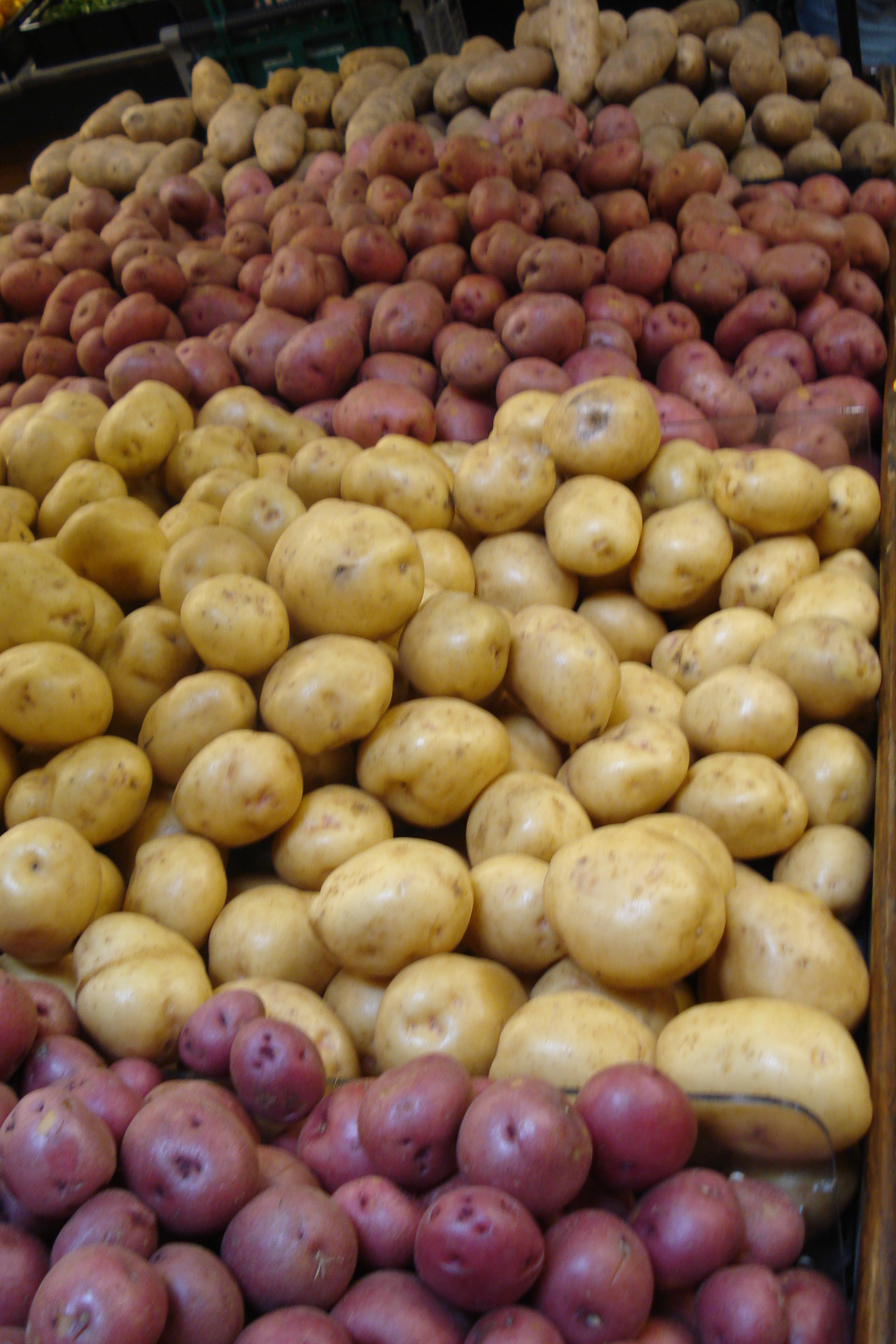
Potato: Baked or boiled, with or w/o skin 1 medium
Pumpkin, cooked 1/2 cup
Rutabaga, cooked 1/2 cup
Spinach Salad with 4 olives 1/2 cup
Squash, winter, cooked, mashed 1/2 cup
Sweet-potato: Baked 1 medium or Boiled 1 medium
Cherry Tomatoes 4,Tomatoes: Raw 1 med., Tomato juice, canned 3/4 c.


By: Kimberly Crocker

Literature Research

http://www.medscape.com/viewarticle/558708

Health Benefits of Sex

The three fundamental needs of males and females are: Hunger, Thirst and Sex!  Most individuals would have no problem agreeing with that list.  The health benefits of sex are measured, however not commonly known.  What research tells us is everything we know about sex is even better than sex itself.  Let’s face it sex can be great and even fantastic when romance is added to it.   Some known benefits of sex are:

Helps you live longer.   It’s been researched to have a 50% reduction in mortality rate increasing life expectancy by 3-8 years.

Strengthens your heart.   Yes, sex can be considered as physical activity.  Having the same caloric burning effect in an hours time as regular Cardio. 

Reduces loneliness.       Closeness trumps loneliness!  Oxytocin, is a hormone responsible for child birth and lactation can also be found in men, stimulating smooth muscle contractions in the walls of the sperm ducts.  Oxytocin is a feel good hormone responsible for bonding and it rises in both genders during sexual arousal and peak at orgasm.

Strengthens bones, muscles and blood circulation.   Testosterone levels in both genders increase and improve on bones and muscles growth.  Blood circulation also benefits the brain, which increases the heart rate and deep breathing.

Got a headache? Engage in Sex.  Opioids have a similar effect on the body as the drugs Opium and Morphine.  When endorphins (one of the four classes of Opioids) increase they provide a natural tranquilizing response to pain reduction.

Fight depression, stress and overeating.   As neurotransmitters are properly excited (dopamine), or inhibited (serotonin and dopamine), depression, stress and overeating are reduced.  Dopamine helps to combat depression and create focus. While Serotonin regulates: mood stability, food cravings, pain, sleep cycle (Most are relaxed and sleepy after a nice romp between the sheets!) and increases the immune system.

Increases the body’s sense of smell. After a passion filled event, the hormone prolactin increases. Found in the olfactory bulb (located in the brain) where smell is formed, prolactin makes brain’s stem cells to grow new neurons 

Aphrodisiacs. Feed Your Libido!!!!!

Let’s make a complete circle and address some aphrodisiacs for the Thirst and Hunger drives.  After all, the Greeks, Romans and Aztecs used food and drink (dilated vessels increase blood flow) as a means of foreplay.

The Gourmet Sleuth suggests the following aphrodisiacs for the palete.

Quench your thirst with a glass of wine.  Drinking from the fruit of longevity is a great way to relax you, promote blood circulation and stimulate your senses.  BUT, more than two glasses of wine can ruin the mood and have a reverse affect. 

Grab the Champagne glasses!  According to the Australian Orchid Society, “Old Totonac lore says that Xanat, the young daughter of the Mexican fertility goddess, loved a Totonac youth. Unable to marry him due to her divine nature, she transformed herself into a vanilla plant that would provide pleasure and happiness.”  Fill tall Champagne glasses to the rim and add a vanilla bean for a heady, bubbly treat.

Coffee in small amounts dilates vessels, but too much will suppress the serotonin levels.

Food of Phallic Shape were eye candy for the ancients.  Asparagus, Avocado (growing in pairs on the tree they resemble male testicles,  Ahuacuatl), Banana, Carrot, Figs and oysters, both which represent the female genitalia.

Many other foods and herbs are known to inspire romance.    Almonds, Broccoli Rapini, Chocolate, Fennel, Pine Nuts, Pineapple, Strawberries and Raspberries

Herbs:  Sucking on Anise seeds, Arugula, Asafetida, Basil, Cilantro, Garlic (small clove crushed, add to vinaigrette for a salad), Ginger, Mustard (try on pork loin), Nutmeg, Truffles liquorice and honey

Prepare a low setting table with lit candles and a few pillows to relax on. Enjoy the ambiance and intimacy that sex brings, knowing that there are many health benefits that go beyond the pleasure of lovemaking.  

By: Kimberly Crocker

Literature Research

  1. Fundamentals of Anatomy and Physiology Sixth Edition, Frederic H. Martini
  2. Perspectives in Nutrition Sixth Edition, Wardlaw, Hampl, DiSilvestro
  3. http://www.neurogistics.com/TheScience/WhatareNeurotransmi09CE.asp
  4. http://daily.stanford.edu/article/2005/5/20/theTop10SecretHealthBenefitsOfSex
  5. http://www.mayoclinic.com/print/exercise/HQ01676/METHOD=print
  6. http://www.gourmetsleuth.com/aphrodis_foods.htm
  7. http://longevity.about.com/od/lifelongrelationships/p/sex_longevity.htm

Define Carb Counting for Easy Weightloss

Counting carbs.   1 Carb count= 15 grams of Carbohydrate!  It is an easy way to do Nutritional Math at any given time.  FOR A COMPLETE LIST follow this link: http://dtc.ucsf.edu/pdfs/FoodLists.pdf

We can learn about counting carbs and balancing our dietary intake from those who suffer from diabetes.  Carb Counting is a meal planning method commonly used for people with diabetes, but can also be used in meal plansto achieve weightloss. Balancing the carbs you eat with your insulin doses can help you to achieve better blood glucose control.

Where Are the Carbs???
Carbs are found in the following foods and are part of the Carb Food Exchange when counting your daily running tab, reviewed under Nutritional Math.
Fruit, fruit juices (or any food that contains fruit or fruit juices)
Milk, ice cream, yogurt (or any food that contains milk)
Breads, cereals, crackers, grains, pasta, rice
Starchy vegetables (such as corn, potatoes, peas or beans)
Sweets (such as cake, candy, cookies, pie)
Sugary foods (such as regular soda, fruit drinks, sherbet)
Beer, wine and mixed drinks

All carbs are created equal!

It is the amount of carb you eat during a meal or snack that is important, not the type of carbFor example:  One cup of vanilla yogurt that has 30 grams of carbs and a sandwich with 30 grams of carbs,  

 both effect blood glucose levels in the same way.

Counting Carbs can be performed one of two ways:

  1. Carb servings 
  2. Carb grams.

One carb serving = roughly 15 grams of carb. 

A gram (g) is a unit of measure used for foods.                                                              Either method can be used and you will also need to recognize portion sizes.  For quick and easy daily help check the glycemic index for an exact number per food serving.

Check you food label under “Total Carbohydrate” to confirm the # of grams in a serving of food.  The general rule of thumb is 1 carb=15 grams (more or less).

1 serving or 1 apple is = 19 carbs

1 serving or 1 orange = 15 carbs

1 serving or 1 cup peas = 11 carbs

1 serving or 1 slice multi-grain bread = 13 carbs

1 serving or 6 oz lean meat, fish = 0 carbs

The foods in the groups listed below contain about 15 grams of carb per serving or choice. Each listed choices will affect your blood glucose level the same.

The following servings are one carb choice = 15 grams of carb

  • 1/2-cup orange juice from the Fruit group
    3/4 cup of cereal from the Bread/Starch group
    1 cup homemade coleslaw from the Vegetable group.

Using Grams, instead of counting servings, allows you to add up the grams of carb in a meal or snack. Grams are located on food labels. Your meal plan may suggest specific amounts of carb grams at each meal or snack.

NUTRITIONAL MATH

In a  2000 calorie diet, 1000 calories should come from carbohydrates. 

There are 4 calories per 1 gram of carbohydrate.

1000 cal/4 cal =250 g carb daily allotment.

250 g/ 15 g = 17 carbs

 Count 17 Carbs each dayin your diet to equal the 1000 calories of carbs.

Now, the other 1000 calories will need to come from Protein and Fat.

35% Fat or 1000 x .35=350 Fat calories

65% Protein or 1000 x .65 or 650 Protein calories

1000 Calories Carbohydrates

350 Calories Fat

   +650 Calories Protein                                                                                                 Total     2000 Calories Daily Intake

FYI  Generally speaking, the size of a sugar molecule that is in fruit, vegetables (fructose) and milk (galactose) is smaller and easier for your body to break down.  Sugar (sucrose), corn syrup and also white bread have a  complexed sugar molecule that is harder for your body to breakdown.  For example a chocolate bar is 30grams or 2 carb count.  Choose Milk, Fruit, Vegetable, Multigrain bread which have a lower 1 carb food exchange as opposed to the chips and candy bars which will have 3 carb food exchange.  It’s about optimizing your nutrient intake.  17 carbs go fast!  This is especially critical for those with Diabetes who will have an over production of insulin to do the job.

For more info

http://www.aspiruslibrary.org/patient_ed/pdf/dec/pe-dec-019.pdf

http://lowcarbmeal.info/

By: Kimberly Crocker

Meal Plan for Optimal Glucose Levels (Diabetes)

Obtain optimal blood glucose levels by Meal Planning. Diabetics learn to keep their insulin in balance through out the day. Like the Food Pyramid that most are familiar with following, diabetics also have their own food pyramid that they can refer to in order establish their diet.
Proper meal planning should include spacing out 5-6 smaller meals throughout the day to maintain steady blood sugar levels, so that consumption of food is every two hours. Contrastly, eating a big meal only once or twice a day can cause extreme high or low glucose levels. In addition, if the exercise regimen is changed, changes should be made to the diet accordingly, to maintain weight control and to control blood sugar levels.
For more information on  the impact of: Salt, Sugar and Alcohol

As you practice your diet, you will begin to learn different food combinations.


A combination to avoid at a single meal would be a plate with potatoes, corn, beans and a slice of bread. Your body will break down all four as breads, therefore, increasing your blood glucose levels. Whole grain breads are best to use (Aunt Milles Whole Grain, Multi Grain breads are good source and 2 slices equals 1 serving!) also providing protein compared to white breads.

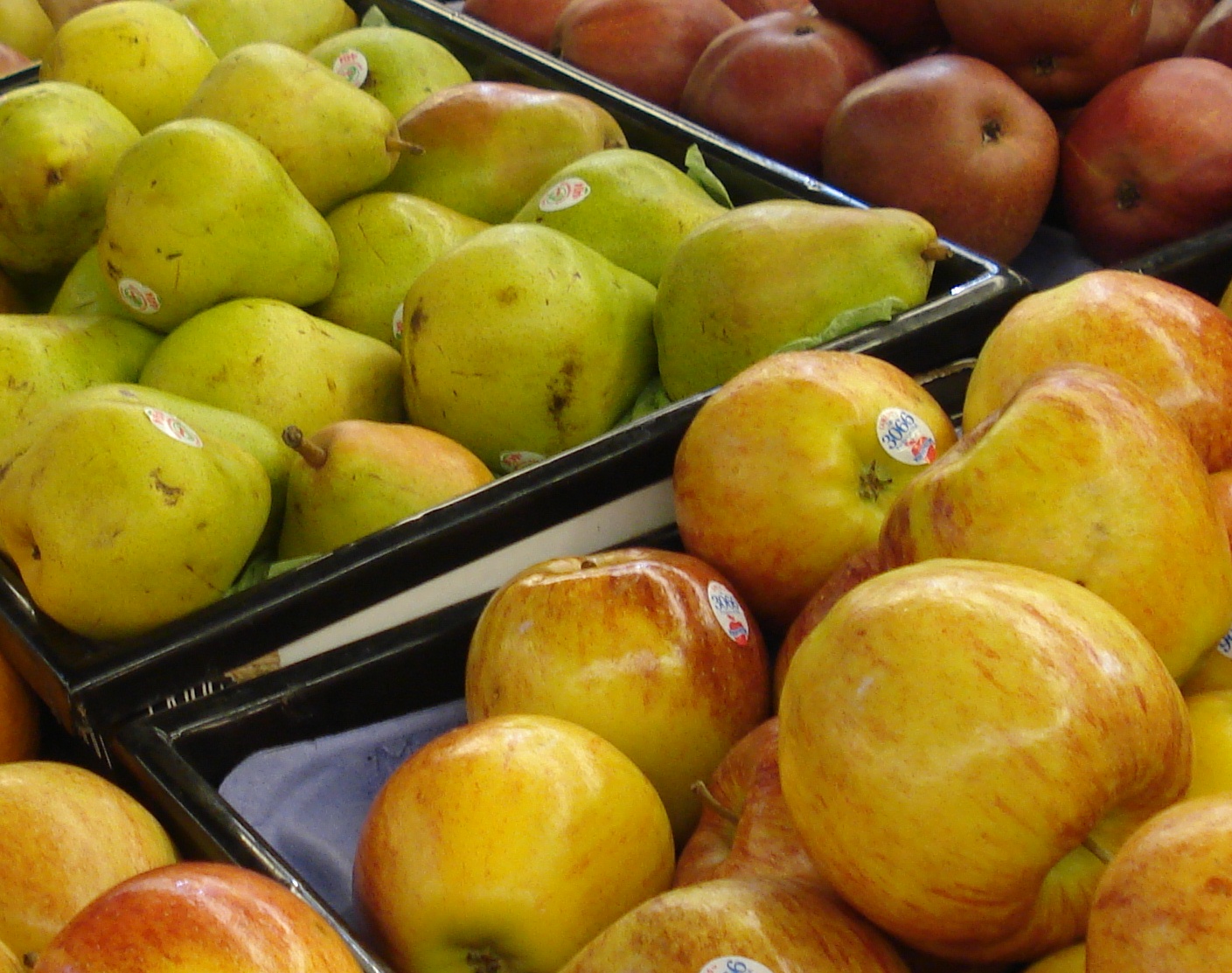
Additionally, root vegetables (beets, potato, yam) are high in fructose content (natural sugar), as are oranges, bananas and pineapples. A better choice would be apples, pears, cherries and plums.

ALL FOODS CAN be eaten, but they must be monitored in serving size and combined properly at meals in order to reduce insulin output, which will result in lowering your blood glucose. Recent studies have shown that Oolong Tea can contribute the pancreas which in turn reduces the insulin output.  You can drink up to  6 cups a day.

Contact your doctor, dietitian or post a message to find out what your meal plan should reflect.
Mens’ daily servings of food could be 1/4 – double of what a daily serving size may be for women.

Daily Servings Per Food Group
Suggested Serving Size
3-4 servings of fruit
1 small fresh fruit, ½ cup canned or dry fruit, ½ cup cup fruit juice
1 ounce of nuts (28-30 individual nuts): Almonds, Walnuts, Hazelnuts, Peanuts, Soynuts

3-5 servings of vegetables
1 cup raw vegetables, ½ cup cooked vegetables, ½ cup tomato or vegetable juice

6-11 servings of breads whole grains, beans, and starchy vegetables (shoot for 6 servings a day) 1 slice bread, (recommend Aunt Millies breads. 2 slices = 1 bread serving!) ½ small bagel or English muffin, 1 6-inch tortilla, ½ cup cooked cereal or pasta

2-3 servings of milk and yogurt
1 cup milk or yogurt

2-3 servings of meat, cheese, fish, and other proteins
2-3 oz. Cooked lean meat, fish or poultry, 2-3 oz. cheese, 1 egg, 1/2 cup Tofu, Nuts

Sparing use of fats, oils, and sweets
A serving of fats and oils can be 1 tbsp. butter, margarine, oil or mayonnaise. A serving of sweets can be ½ cup ice cream or 2 small cookies.

Meal Plan Combining Foods (for optimal glucose levels)
The daily menu follows the theory presented that “All Foods Can Be Eaten, but must be monitored”. Salt is used and also substituted. Sugar is available within the meals, yet limited. Alcohol is allowed, but only a 1/2 glass. (try for every other day routine with alcohol consumption.)
drink plenty of water throughout the day, 64 fl oz or 8 8 oz glasses.

Breakfast
1 cup yogurt
1 slice whole grain bread with pat of butter
1/4 cup berries
1 6 oz c. coffee with sweetner

Snack am
apple
1 ounce nuts

Lunch
1 8 oz. Milk
2 slices bread
2 slices turkey
3 slices tomato
1 lettuce leaf
1 tsp mustard
1 tsp mayo
1 pear
small bag of pretzels

Snack pm
Nutrition Bar
carrot and celery sticks
1 8oz milk

Dinner
Lemon Water
1 5oz glass wine
4 oz fish (baked seasoned with salt substitute, capers, olive and cherry tomatoe slices)
steamed broccoli (tossed in tsp oil, garlic, pepper, Mrs. Dash salt substitute)
baked potato oive oil, rosemary, thyme, pepper, salt
whole grain dinner roll
apricot

Dessert
1 c. orange sorbet
1/2 c. ice cream
small slice of cake

For more information you can contact the call the American Diabetes Association at (800) 232-3472 and select “receive more information about diabetes”.
Diabetic Food Pyramid

By: Kimberly Crocker
http://www.diabetes.org/nutrition-and-recipes/nutrition/foodpyramid.jsp