It’s that time of year which inspires us to get our bodies healthy for three months, so that we can sit  poolside and look good. Wouldn’t it be great if we could take our lessons learned from how to get a flat tummy now and maintain it over a life long period? I’m not talking about being 104 pounds, but achieving our own healthy weight, so that we live a lifetime of being strong and focused, mentally intact and driven! Many respectable weightloss programs such as USANA’s Macro Optimizer, Reset also provides nutritional supplements so that you can achieve your goal effectively.
Many meals come from awesome summer foods that help to curve our appetite so that we are not tempted to indulge in ice cream and frozen Margarita’s. The various delicious fruits and vegetables (veggies burn the most calories) will bring new flavors to your palette! By eating 4-5 fruits and 5-6 vegetables a day, your body will have to make an effort to breakdown the food and that energy will contribute to weightloss! Treat yourself to something new in your salad by shredding fresh herbs into your salad such as: cilantro, arugula, mint, parsley, 1 Small clove diced garlic, or basil which will become the driving force to try new summer recipes.
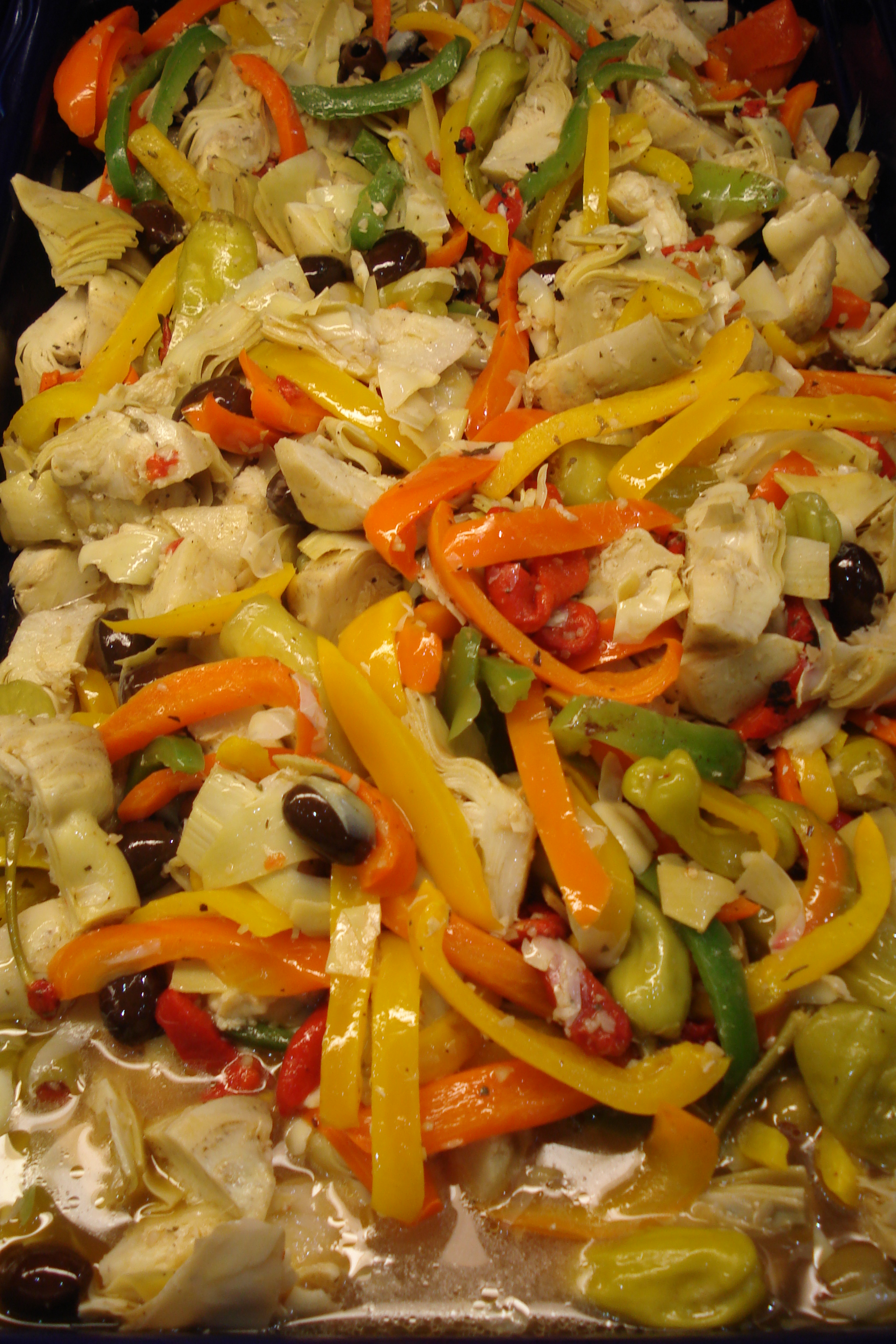
A trick that adds diversity to your salads: Choose 2 or more vegetables and one fruit dice them to  bite size. Add 1/8 c. thinly sliced red onion, cheese of choice, herb of choice, 1 ounce of nuts, sprinkled flaxseed. Drizzle with vinaigrette dressing, or olive oil and balsamic vinegar. (salt and pepper to taste)
Fresh fruit drink. Choose 2-3 fruits, wash and peel. 4 ounces of orange, pomegranate, cranberry or pear juice. Place all in a mixer and liquefy. May drink immediately, served chilled or frozen.
Please read the following clip from “Eight Summer Ultimate flat Belly foods” by David Zinczenko and Matt Goulding from Men’s Health who recently had an article posted on Yahoo.
“Find a way to work these potent super-foods into your diet every day, and you’ll curb cravings before they hit, crowding out much of the junk we turn to when hunger calls. The result? Well, it could mean saving 600 calories or more a day. Couple that with 30 minutes of moderate exercise, and you can shed as many as 12 pounds in six weeks! Which is in standing with the rule that states, “1-2 pounds a week to properly shrink lipid cells” Read more on Calorie Shifting Fad and Facts and USANA Nutritional Supplements and Products
1. Spinach
It may be green and leafy, but spinach is no nutritional wallflower. This noted muscle-builder is a rich source of plant-based omega-3s and folate, which help reduce the risk of heart disease, stroke, and osteoporosis. Bonus: Folate also increases blood flow to the nether regions, helping to protect you against age-related sexual issues. Aim for 1 cup fresh spinach or a half cup cooked per day.
SUBSTITUTES: Kale, bok choy, romaine lettuce
FIT IT IN: Make your salads with baby spinach; add spinach to scrambled eggs; drape it over pizza; mix it with marinara sauce and then microwave for an instant dip.
2. Yogurt
Calcium is a major contributor to effective weight loss. Various cultures claim yogurt as their own creation, but the 2,000-year-old food’s health benefits are not disputed: Fermentation spawns hundreds of millions of reinforcements for the battalions of beneficial bacteria in your body. That helps boost your immune system, provides protection against cancer, and even does duty as a cavity-fighter. Not all yogurts are created equal, though, so make sure the label says “live and active cultures.” And watch out for high-fructose corn syrup; stealth sugars are worth avoiding in yogurt and everywhere else.
SUBSTITUTES: Kefir, cottage cheese, ricotta
FIT IT IN: Yogurt topped with blueberries, walnuts, flaxseed, and honey is the ultimate breakfast — or dessert. Plain low-fat yogurt is also a perfect base for creamy salad dressings and dips.
3. Tomatoes
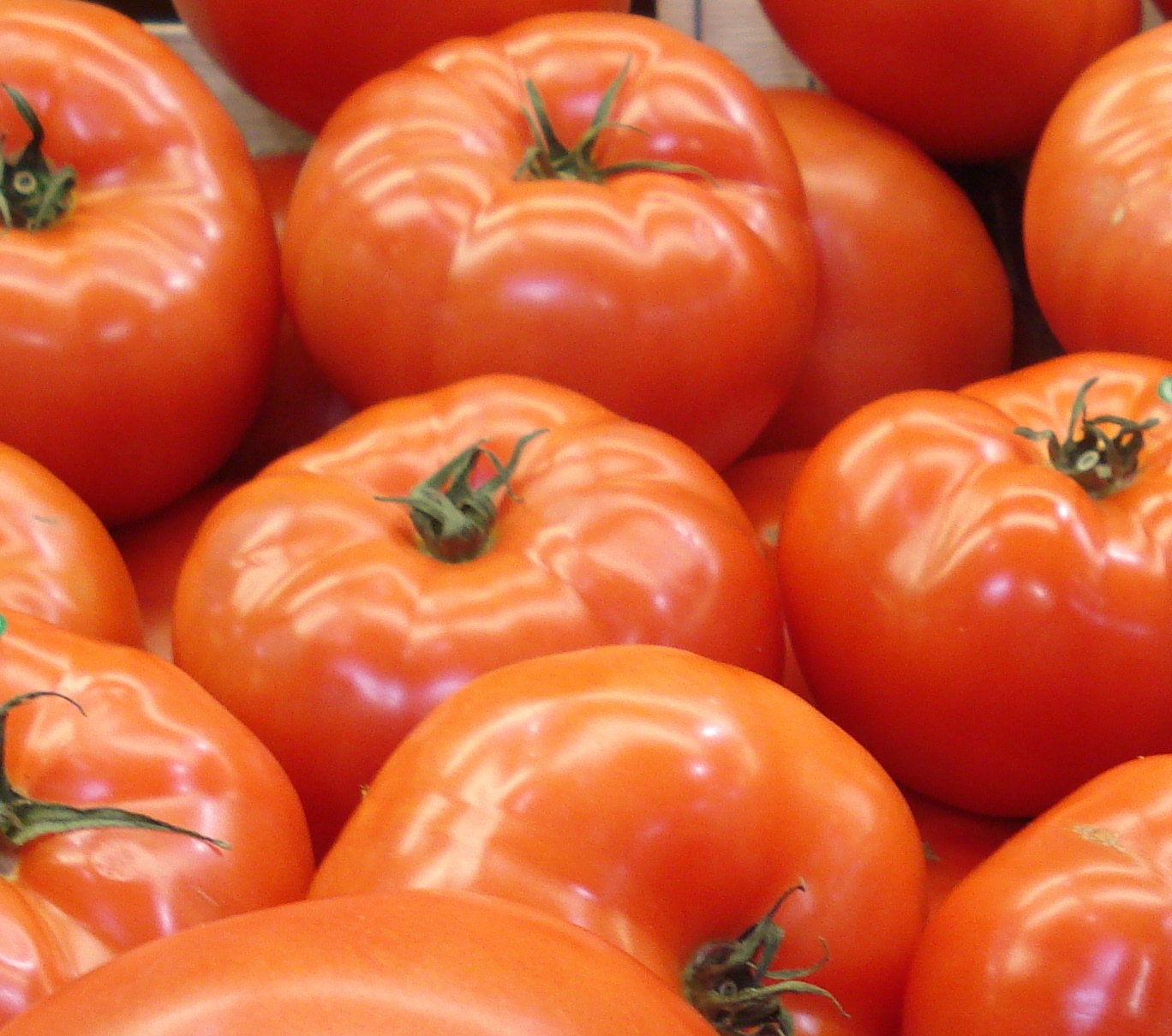
There are two things you need to know about tomatoes: Red are the best, because they’re packed with  more of the antioxidant lycopene, and processed tomatoes are just as potent as fresh ones, because it’s easier for the body to absorb the lycopene. Studies show that a diet rich in lycopene can decrease your risk of bladder, lung, prostate, breast, skin, and stomach cancers, as well as reduce the risk of coronary artery disease. Aim for 22 mg of lycopene a day, which is about eight red cherry tomatoes or a glass of tomato juice. Plant some now for a health harvest in July and August. This Men’s Health video will show you how.
SUBSTITUTES: Red watermelon, pink grapefruit, Japanese persimmon, papaya, guava
FIT IT IN: Dress sliced heirloom tomatoes with torn basil and olive oil; guzzle low-sodium V8 and gazpacho; roast cherry tomatoes and serve over grilled fish or chicken.
4. Carrots
Most red, yellow, or orange vegetables and fruits are spiked with carotenoids — fat-soluble compounds that are associated with a reduction in a wide range of cancers, as well as a reduced risk and severity of inflammatory conditions such as asthma and rheumatoid arthritis — but none of them is as easy to prepare, or have as low a caloric density, as carrots do. Aim for a half cup a day.
SUBSTITUTES: Sweet potato, pumpkin, butternut squash, yellow bell pepper, mango
FIT IT IN: Snack on baby carrots; grate raw carrots into salad; toss a carrot into a breakfast smoothie with frozen mango and OJ; roast carrot chunks with olive oil, salt and cumin.
5. Blueberries
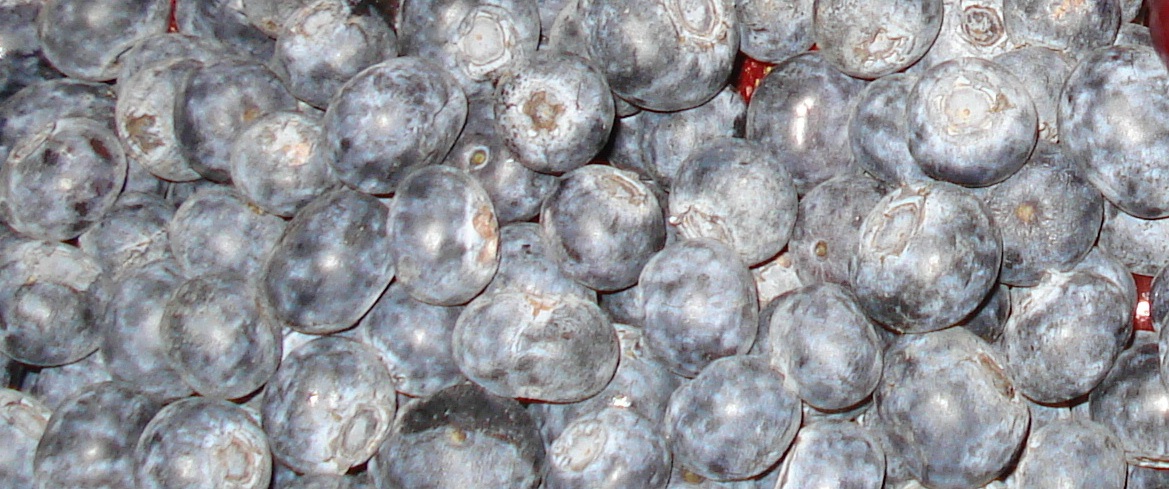
Host to more antioxidants than any other North American fruit, blueberries help prevent cancer, diabetes,  and age-related memory changes (hence the nickname “brain berry”). Studies show that blueberries, which are rich in fiber and vitamins A and C, also boost cardiovascular health. Aim for 1 cup fresh blueberries a day, or a half cup frozen or dried.
SUBSTITUTE: Açai, an Amazonian berry, has even more antioxidants than the blueberry. Mix 2 Tbsp. of açai powder into OJ or add 2 Tbsp of açai pulp to cereal, yogurt, or a smoothie.
FIT IT IN: Mix fresh blueberries into plain yogurt; blend with ice, yogurt, banana, and OJ for a 60-second smoothie; toss with baby spinach, red onions, goat cheese, and raspberry vinaigrette for a summer salad.
6. Black Beans
All beans are good for your heart, but none can boost your brain power like black beans. That’s because they’re full of anthocyanins, antioxidant compounds that have been shown to improve brain function. A daily half-cup serving provides 8 grams of protein and 7.5 grams of fiber, and is low in calories and free of saturated fat.
SUBSTITUTES: Peas, lentils, and pinto, kidney, fava, and lima beans
FIT IT IN: Wrap black beans in a breakfast burrito; use both black beans and kidney beans in your chili; puree 1 cup black beans with 2 Tbsp olive oil and roasted garlic for a healthy dip; add favas, limas, or peas to pasta dishes.
7. Walnuts
Richer in heart-healthy omega-3s than salmon, loaded with more anti-inflammatory polyphenols than red wine, and packing half as much muscle-building protein as chicken, the walnut just needs a cape and we could call it a superhero. Other nuts combine only one or two of these features, not all three. A serving of walnuts — about 1 ounce, or seven nuts — is good anytime, but especially as a post-workout recovery snack. Keep a can of Planters Nutrition Heart Healthy Mix in your desk drawer or glove compartment, and use them to lead you away from temptation.
SUBSTITUTES: Almonds, peanuts, pistachios, macadamia nuts, hazelnuts
FIT IT IN: Sprinkle on top of salads; chop and add to pancake batter; mix 1 cup walnuts with a half cup dried blueberries and a quarter cup of dark chocolate chunks.
8. Oats
The original wunderkind of health food, oats garnered the FDA’s first seal of approval. They are packed with soluble fiber, which lowers the risk of heart disease. Yes, oats are loaded with carbs, but the release of those sugars is slowed by the fiber, and because oats also have 10 grams of protein per half-cup serving, they deliver steady muscle-friendly energy.
SUBSTITUTES: Quinoa, flaxseed, amaranth, pearly barley
FIT IT IN: Eat granolas and cereals that have a fiber content of at least 5 grams per serving; sprinkle 2 Tbsp ground flaxseed on cereals, salads, and yogurt; sub quinoa in for brown rice.”
Thank you to David and Matt for allowing Eat Know How to utilize a portion of their article!
By; Kim Crocker




 Eat Know How
You must be logged in to post a comment.