Satisfying 1200 Calorie Diet

A 3 Step Plan to Achieving a 1200 Calorie Diet Can Work for You!  By loading the calories on the earlier part of the day, then gradually reducing intake, energy is used into the evening.  The suggested plan is for:

  • reducing dietary intake
  • promoting weight loss
  • for the individual who is not physically inclined to move as often.
  • slow metabolism (i.e. hypothyroidism)

Reducing and controlling the intake of energy by cautiously planning meals is easy to do by simply following 3 Steps.

Step 1: Move the higher caloric dinner-time to a lunch menu, allowing energy to be expended over the day instead of packing the calories at night when they can turn to fat quicker, because of less movement and exercise on an individual’s part.

Step 2:  Promote effective digestion by adding: the juice of  a 1/2 lemon freshly squeezed to 1 glass of water and drink the special “lemonade” twice throughout the day.  After meals chew on 6-12 fennel seeds to add: fiber, reduce gas, natural phyto-estrogens and freshens breath.

Step 3: Plan Each Meal, pick and choose your food, aiming for the total suggested calories per snack or meal.

BREAKFAST is important to fueling your day with energy and focus throughout the morning.  Begin your day by drinking 2 glasses of water then choose your menu, aim for 300 calories for breakfast, try to include 1 fruit.

  • 1 egg  (211 calories)
  • Yogurt 1% milk fat 8 ounces (218 calories)
  • Slice multi grain bread (69 calories)
  • 1 tsp Jelly (40 calories)
  • 1 tsp honey (49 calories)
  • Slow cook unflavored oatmeal made with water (14 calories)
  • Glass 1 % Milk 8 ounces (110 calories)
  • Orange Juice 6 ounce (71 calories)
  • 1 Cup coffee (5 calories)
  • 1 fruit (70 calories)
A.M. SNACK time is a way to pick up and recharge allow for 100 calories
  • 1 fruit  is one serving size (tennis ball size), on average varies in 70-85 calories
  • 1/2 ounce of nuts (80 calories)
  • 1/2 ounce sunflower seeds (82 calories)
  • 1 glass water
LUNCH anytime between Noon and 2:00 pm provides a boost to get throughout the day. A larger lunch provides a feeling of satiety that will last to light dinner.  Begin with 1 glass of water then opt for: 1 protein, 1 bread, 2 vegetables, 1 fruit. Aim for 500 Calories.
3 ounces of any protein:
  • Fish (138 calories)
  • Chicken (245 calories)
  • Red Meat (213 calories)
  • Pork (207 calories)
  • 1 cup beans (215 calories)
  • 1 cup lentils (226 calories)
Bread
  • White Rice 1/2 cup cooked (85 calories)
  • Long Grain Brown Rice 1/2 cup cooked (108 calories)
  • Pasta cooked (140 calories)
Vegetables
  • Green Salad (60 calories)
  • 1/4 cup: sliced Carrots or snow peas or beans (25 calories each)
  • 1 tsp olive oil / vinegar dressing (45 calories)
Fruits
  • 1 fruit (70-80 calories)
  • 1/4 cup berries (16 calories)
  • 4 prunes (80 calories)
P.M. SNACK for  a total of 70 Calories
  • 1 fruit (70 calories)
  • 1 glass of water
DINNER time keeps it light. Best time for dinner is when hunger hits. Begin with a glass of water and have dinner between 6:00-8:00 pm allowing for digestion and a full nights sleep. Suggestion: Soup and salad or 2 vegetable and a fruit serving.  Goal is 230 calories, include 1 glass of water before or with dinner.
  • sweet potato baked (115 calorie)
  • 1 cup salad (60 calories)
  • 1 cup vegetable soup (110 calories)
  • roasted pepper and mushrooms with minced garlic and 1/2 tsp olive oil (80 calories)
  • 1 sliced whole red, green, yellow peppers  (37 calories)
  • 1 cup sliced zucchini (20 calories) saute` with 1/2 Tbsp olive oil (80 calories) and minced garlic
  • Saute` or grilled portobello mushroom (80 calories)
  • 1 glass milk (110 calories)

Before bedtime have a glass of water. Allow eight hours of rest to promote additional calorie loss and waking up refreshed and ready to begin a new day!

By: Kimberly Crocker-Scardicchio

  • Lemon Juice:  http://eatknowhow.com/2008/01/28/gas-pains-drink-lemon-water
  • Fennel Seeds: http://eatknowhow.com/2011/12/05/fennel-seeds-to-restore-health

Recommended Daily Intake of Vitamins & Minerals

Recommended daily intake of vitamins and minerals and actual breakdown of Vitamin Content for Vegetables and Fruits with a glance at Mineral Content on Fruit and Vegetables Informative links that nicely graphs the proper milligrams of vitamins and minerals that should be ingested on a day to day basis with warnings about how they may create organ sensitivity or organ damage.

Eat Know How.  Know the Healing Power of Food

Recommended link: Vitamins and Minerals

Nutrition to lower LDL, increase HDL Cholesterol

Cholesterol Reducing Foods

Plenty of fruits, vegetables, whole grains, and extra virgin olive oil are heart healthy and can be utilized to reduce cholesterol. By changing the way you eat total cholesterol can be reduced by 5 to 10 percent. Eat foods in which the skins can be consumed too. Consider the importance of monounsaturated fats like nuts and certain oils (replacing saturated fats all animal products: ice cream, butter, dressings.)

The soluble fiber found in fruits and veggies reduces absorption of cholesterol in your intestines, then binds bile (which contains cholesterol) and dietary cholesterol so that the body excretes it.

FRUIT 4 servings/day Great for Reduction: apples, prunes, pears, plum, apricots. Choose fruits whose skin can be eaten. Fruits with membranes or seeds are also helpful: oranges, grapefruit, pomegranates.

VEGGIES 5 servings/day Great for Reduction: Any leafy green, introducing roughage into the diet: broccoli, rapini, kale, collard greens, spinach, lettuce. Other helpful vegetables: avocado, garlic, beans. Soluble fiber.

WHOLE GRAINS 7-8 serving /day (1 serving size is 1 ounce) also Barley and Oats, Bran, Flaxseed!!! Soluble fiber.
Fish, Lean Meat, Poultry 2 servings/day. 3-4 ounces per serving (Eat more Fish which contains healthy omega 3 and 6 oils.)
Nuts about 1 tbsp 4 times a week. Walnuts, Almonds. (Monounsaturated fats.)
OILS 3 tbsp per day Extra Virgin Olive Oil is a monounsaturated fat and contributes to raising HDL (healthy cholesterol) and causes LDL cholesterol to be reduced.
Water 8 glasses / day

REDUCE LDL (Lousy Cholesterol)

The best way to reduce LDL and triglyceride levels is through Aerobic Exercise. By doing so you are telling your body what to do with the extra calories and creating healthy blood flow in your blody. This can be done by swimming, walking, jogging, rollerbladding. The idea is to move cholesterol deposits by increasing your heart rate, which will in turn cause blood vessels to dialate and blood to push through the body.

Reduce bread servings to 6 servings a day and alcohol consumption to every other day can both play a factor in reducing triglyceride levels.

Increase HDL (Healthy Cholesterol)

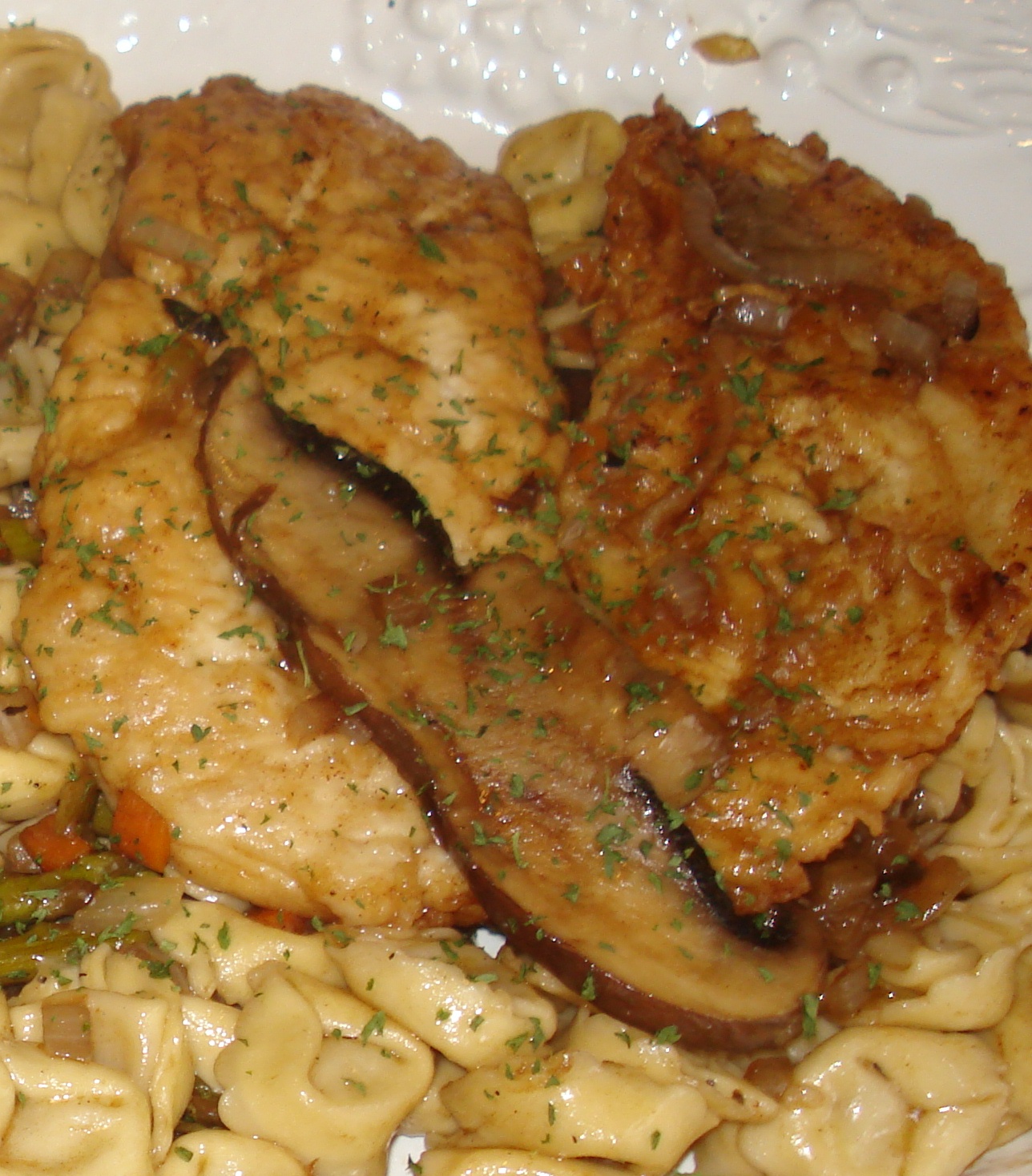
Food choices also play a critical part in reducing LDL and increasing HDL including substituting new flavors for old preferences; replacing dressing with extra virgin olive oil, seeds and pepper to your salads, providing your vessels with the necessary elasticity that they need (healthy mono and poly unsaturated fats.) Since oils are are fluid at room temperature  they will not clot your arteries the way that saturated fats found in butters and dressings will. Pan fried chicken with a small amount of canola oil, then turned in garlic, Marsala, seasoned with spices introduces potassium, and vasoldilators allicin and a touch of alcohol to open vessels and allow nutrients to function and remove unwanted blockage.

Its your body, Know the Healing Power of Food and make choices to improve your health for a living a longer and stronger life.  

By: Kimberly Crocker

For more information:

http://www.mayoclinic.com/health/cholesterol/CL00002

http://www.bddiabetes.com/us/main.aspx?cat=1&id=496

LS DASH Diet, Reduce Sodium Intake

“Dash Diet”

Avoid eating canned food high in sodium. Instead, choose fresh or frozen foods.

The average American presently consumes 5-8 tsps of salt per day! This is extremely dangerous in the long run for your organs, but specifically for the heart and kidneys.

Dietary Approaches to Stop Hypertension(DASH), or a low sodium diet is  an easy lifestyle to adapt by limiting salt intake to 1-2 tsp’s per day & add potassium to provide balance and flushing out excess sodium with:

Meals with vegetables, fish and fruit help reduce sodium levels

  • Fresh Fruit
  • Fresh Vegetables
  • Legumes (dried, cooked at home, seasoned: garlic, onion, rosemary)
  • Fresh Fish.
  • 6-8 Glasses of water or tea.

Following the Mediterranean or DASH Diet gives a person the proper amounts of food consumed at each sitting therefore reducing risk of hypertension for an individual.  There are a variety of Salt Substitutes on the market.   Mrs. Dash is commonly used and a favorite of most, does come in a variety of flavors. However, vegetables tossed and sauteed in olive oil with fresh herbs and fish or meats prepared with spices and herbs, add flavor and reduce sodium. Obtain more ideas on how to use Herbs and Spices to Replace the Salt Shaker

Fluids are equally important to a successful diet.  Lemon Water made with 1/2-1 freshly squeezed lemon in a glass of water each day, an additional source of potassium to rid the body of excess sodium . Foods to restrict if instructed to follow a Low Sodium Meal are: Carrots, Celery, Spinach, Beets.  Additional tips:

  • Stop consuming tap water that is conditioned with a water softener
  • Drink bottled water and Green, Black or White Tea
  • Rinse all canned foods really well before preparing them. Quick rinse reduces sodium by 41%. 3 minute rinse reduces sodium by a higher percent.
  • Read food labels. Buy pre-packaged foods with mg of Potassium  should be higher than mg of Sodium.

Meal Plan Low Sodium (LS)

Breakfast
Bread or Cereal…. Oatmeal (Instant “Heart Healthy Advanced Nutrition” LS and high Potassium)
Fruit…………………..apple, orange, kiwi, banana, dried apricots, prunes, raisins
Orange Juice or skim 1% Milk.

Snack am
Fruit

Lunch
Vegetable……………cole slaw
Vegetable……………LS Cream of potato soup, baked sweet potato
Meat…………………..meatloaf with LS Gravy (3 0z). grilled or baked salmon, fish
Vegetable…………..twice baked potato and steamed green beans
Bread…………………wheat Roll
Dessert……………..orange sherbet, pears, plums

Snack pm 
Fruit…………………..(Choose 1) banana, Kiwi, orange, seasonal fruit
Milk…………………. ..4-6 oz low or nonfat yogurt

Dinner
Meat……………….,,seasoned Chicken Breast (3 oz)  (turned in freshly chopped herbs and garlic)
Bread……………….sesame seed multi grain bun,
Vegetable………….Lettuce, tomato and onion (cooked or raw)
Vegetable……….. .soup Lima or white beans, salad with avocado, beets, spinach
Fruit…………………fruit, melon……………LS apple pie

References

5 Steps to “Cleanse” & Improve Lifestyle

Cleansing, Purifying, Renewal.  All good words that make us feel positive about making a change in our lives, words that tie us to a commitment to do better while paying attention to nutritional intake.

“Must foods” to add to any new meal plan

  • Colorful
  • Consumed multiple times throughout the day
  • Contain fiber and water

Carbon that hydrates the body, otherwise known as Carbohydrates. Improve dietary intake by loading up on fruits and vegetables that will contribute to renewed health.

Red Vegetables to reduce risk of prostate cancer.

Vegetables and fruits that are red in color contain lycopenes, (fiber, Vitamin C, quercatin, ellagic acid, hesperidin) all which actively protect the colon from prostrate cancer, lower LDL cholesterol, lower blood pressure, slow tumor growth, rid free radicals from the body and in some cases protect joints from arthritis.

Red, Blue & Purple foods to keep stroke and brain disease at bay.

Fruits that are: red, blue, or purple contain some of the same key players as the red foods have and are called anthocyanins. Their value protects the brain, improves memory and immune system, reduces LDL cholestrol, are anitcarinogens and protect the digestive tract, assist calcium and mineral absorption across the digestive tract, reduce inflammation and cancer cells.

Foods orange and yellow in color improve vision and skin

Orange and Yellow Fruits are known as carotenoids, high in Vitamin C (citrus fruits) & Vitamin A, potassium. Cleansing of organs from sodium, promote alkaline balance and vision, reduces LDL cholesterol, blood pressure and risk of macular degeneration, promote collagen formation and has magnesium and calcium to improve bone.

Green Veggies for folate to improve brain, skin and liver

Green Vegetables are filled with chlorophyll, calcium, folate, Vitamin B.
Important for a healthy liver, skin, and colon, reduces risk of cancer,improves retinal health reducing risk of cataracts, macular degeneration and birth defects.

White foods boost immune system


White foods contain: anthoxanthins, allicin, beta carotene, lignans all improve immunity activating B & T-cells, balance hormone levels, lower blood pressure and improve blood circulation.

Cleansing and detoxifying are ideas and terms not encouraged by dietitians. Often times fads are spun off of an idea or word without realizing the negative effects on the body and organs such as loss of lean muscle, lack of nutrients for strengthening bone and muscle. The stomach is not reduced in the long run and upon food introduction, the lipid cells expand more easily. Lastly, no new habits or practices have formed to consciously eat with intent nor cook with a purpose.

When adopting a new dietary lifestyle, follow these 5 tips to success and notice the proper cleansing and renewal of health that your body is longing to experience:

  • Eat 4 fruits
  • 5 vegetables  a day
  • Drink 6-8 glasses of water/tea
  • Reduce salt intake by 1/2
  • Walk 30 = minutes each day.
By:  Kimberly Crocker-Scardicchio
References