
We are all provided with two equal fist sized organs, found in our lower back on either side of the spine just above the waist called Kidneys. Renal physiology is the study of kidney function, while nephrology is a medical specialty that focuses on kidney disease.
In brief, the kidneys perform multiple functions to sustain the life of the body, cleanse the body by removing waste and excess fluid through urine, provide a balance of water, salt, potassium, phosphorus and produce an active form of Vitamin D. Multiple hormones and enzymes are produced in the kidneys and released into the body affecting the function of other organs, signaling red blood cell production, regulating blood pressure (Renin) and calcium metabolism.
The degradation of the kidneys can be influenced by a variety of factors. Having regular check-ups is key to kidney health. Do not miss doctor appointments if you have diabetes, high blood pressure, chronic urinary tract infection, bladder issues, chronic lower back pain. Any of all of these factors should be monitored an communicated in a timely manner.
 When kidneys begin to function improperly an individual may have any, or all of the following symptoms: nausea, vomiting, loss of appetite, fatigue and weakness, loss of energy, sleep problems, any change in output or color of urine, decreased mental awareness, muscle twitches or cramps, hiccups, swelling of feet or ankles, persistent itching, chest pains, shortness of breath, high blood pressure. Symptoms should be discussed with your Doctor. Early detection of kidney disease can be addressed, so that the health of the kidneys can be sustained.
A diet low in phosphorus, sodium and balanced protein is critical when addressing kidney disease. Listed below are foods allowed for patients facing kidney issues taken from DaVita who specializes in Renal Disease. Four important points should be reviewed with your Doctor or Dietitian.
- Foods Low in Phosphorus (less than 110 mg per serving)
- Consume 800-1000 mg of phosphorous per day.
- Portion Size is critical to staying in range of low phosphorus.
- (A normal phosphorus blood level is 3.5 to 5.5 mg/dL)
Additional information on the kidneys can be reviewed at
The National Kidney Foundation. Learn more about Renal Health, disease and locate professionals that can answer your questions.
By: Kimberly Crocker-Scardicchio
References
The National Kidney Foundation http://www.kidney.org/index.cfm
DaVita http://www.davita.com/
Webmd http://www.webmd.com/a-to-z-guides/understanding-kidney-disease-basic-information
Mayo Clinic http://www.mayoclinic.com/health/kidney-failure/DS00682
LOW PHOSPHORUS FOOD SERVINGS & mg/100g
Low-phosphorus meat and poultry choices
Fresh or frozen red meats without additives or enhancements are better choices (be sure to check ingredient labels; even fresh chicken and pork may be injected with phosphates and sodium) for a kidney diet.
** Choose meats without breading, marinades or sauce. On average, fresh meat contains 65 mg of phosphorus per ounce and 7 grams of protein per ounce. Check with your Doctor or Dietitian on serving size per meat. While most will say that 3 ounces is fine the following serving size has been modified to a 2 ounce serving size.
Phosphorus content for a 2-ounce portion, cooked:
| Beef, pot roast: 104 mg |
Beef, sirloin steak: 126 mg |
| Chicken breast, skinless: 126 mg |
Chicken thigh, skinless: 100 mg |
| Hamburger patty 90% lean ground beef: 114 mg |
Lamb chop: 122 mg |
|
Pork roast: 126 mg |
| Turkey breast meat, skinless: 122 mg |
Turkey thigh meat, skinless: 114 mg |
|
|
Low-phosphorus fish choices
Fish is a high-quality protein that contains omega-3 fatty acids. Fatty saltwater fish such as salmon and tuna are highest in omega-3, reducing inflammation and protecting against heart disease and cancer.
Phosphorus content for a 2-ounce portion, cooked:
| Mahi Mahi: 104 mg |
|
|
|
| Tuna, canned: 88 mg |
|
Low-phosphorus seafood choices
Seafood is an excellent source of very low-fat, high-quality protein. However, there are differences in varieties of the same species. For example, Pacific oysters contain 50 mg more phosphorus in a 3-ounce serving compared to Eastern oysters.
Phosphorus content for a 3-ounce portion, cooked:
| Shrimp: 120 mg |
|
| Oysters, Eastern: 120 mg |
|
| Snow crab: 120 mg |
|
Low-phosphorus breads
Bread is a good source of carbohydrates and calories needed by your body fo renergy production. While whole grain bread is a healthy source of fiber, it also has more phosphorus and potassium than white flour bread.
Phosphorus content for a 1-ounce portion, (usually one piece of bread):
| Bagel, cinnamon raisin, blueberry, plain, onion, 1 ounce: 53-70 mg |
Corn tortilla, 6-inch: 75 mg |
| English muffin, 1 ounce: 52-76 mg |
Flat bread: 48 mg |
| Flour tortillas, made without baking powder: 20-37 mg |
French bread or rolls: 28 mg |
| Italian bread or rolls: 29 mg |
Light wheat bread: 38 mg |
| Pita bread, white: 58 mg |
Sourdough bread: 30 mg |
| White bread: 25 mg |
|
Low-phosphorus pasta and rice
Pasta, rice and other grains are a great source of carbohydrates, calories and B vitamins, plus zinc, copper and iron. For a kidney diet, whole grains like brown rice, oat bran and wild rice ARE LIMITED due to the higher phosphorus content. A half cup of brown rice has 75-81 mg of phosphorus which can add up if you eat a larger portion.
Phosphorus content for a 1/2 cup portion, cooked:
| Couscous: 20 mg |
Egg noodles: 50-60 mg |
| Macaroni: 40 mg |
Pearled barley: 43 mg |
| Plain white rice, short, medium or long grain: 35 mg |
Rice noodles: 14-28 mg |
| Spaghetti: 42 mg |
|
Low-phosphorus dairy, dairy substitutes and egg whites
Milk and milk products are high in calcium and phosphorus, so finding an acceptable lower phosphorus substitute is a must. A half cup of milk (4 ounces) contains 111-138 mg of phosphorus. Some liquid dairy substitutes can be used in cooking to replace milk, but not all products are interchangeable. Read ingredient lists to look for phosphate additives in nondairy products. Some products are fortified with calcium-phosphate. Beware of the ones that promote “high in calcium” as these are also high in phosphorus. Eggs are a great protein source but also contain 95 mg phosphorus in a large egg. Remove the yolk and phosphorus is only 5 mg for each egg white.
Phosphorus content for a 1/2 cup portion, unless stated otherwise:
| Almond milk, Almond Breeze®, original: 50 mg |
Nondairy creamer without phosphate additives: 40-53 mg |
| Nondairy whipped topping, 2 tablespoons: 0-10 mg |
Sherbet: 38 mg |
| Sour cream, 2 tablespoons: 20-40 mg |
Soy milk varies by brand: 50-125 mg |
| Unenriched rice milk without calcium-phosphate additives: 29 mg |
Egg whites, pasteurized 15 mg |
Low-phosphorus snacks
Crackers, cookies, candy, fruits or vegetables — all are appealing snack foods.There are many low-phosphorus choices for your kidney diet.
| Apple, 1 medium: 10 mg |
Applesauce, 1/2 cup: 6 mg |
| Baby carrots, 9 pieces: 25 mg |
Biscotti, without chocolate or nuts, 1 ounce: 35-50 mg |
| Blueberries, 1/2 cup: 9 mg |
Celery, 1 stalk: 10 mg |
| Cherries, 1/2 cup: 15 mg |
Fig bars, 2 bars: 10-25 mg |
| Fruit candies, hard candy, chews or gummy: 0 mg |
Fruit cocktail, 1/2 cup: 17 mg |
| Gelatin, without phosphate additives: 20-30 mg |
Low sodium crackers, 1 ounce: 20-35 mg |
| Peach, 1 medium: 10 mg |
Lemon Juice, 3 fluid ounces: 3.6 mg |
| Pineapple, fresh, 1/2 cup: 6 mg |
Radishes, 10: 9 mg |
| Shortbread cookies, 4 cookies: 17-35 mg |
Sorbet, 1/2 cup: 2-6 mg |
| Strawberries, fresh, 1/2 cup: 18 mg |
Unsalted popcorn, 1 cup: 8 mg |
| Unsalted pretzels, 1 ounce: 20-40 mg |
Vanilla wafers, 1 ounce = 5-8 cookies: 12-20 mg |
Lower phosphorus cheese choices
All cheese contains phosphorus with most having 120-250 mg per ounce; some contain more than 300 mg per ounce. The suggested portion for a dialysis diet is usually one ounce of cheese 1-2 times a week if phosphorus is controlled. Check with your dietitian for individual recommendations. Cream cheese-based spreads are much lower in phosphorus than cheese-based spreads. Portion control is key when it comes to cheese!
Low-phosphorus cheese choices:
| Blue cheese, 1 ounce: 110 mg |
Cottage cheese, 1/4 cup: 92 mg |
| Cream cheese, 2 tablespoons: 20-40 mg |
Feta cheese, 1 ounce: 96 mg |
| Neufchatel cheese, 1 ounce: 39 mg |
Parmesan cheese, grated, 2 tablespoons: 72 mg |
Managing a low-phosphorus diet
Avoid dried fruits which are higher in phosphorus levels including: raisins, prunes, peaches, pears, dates, currants, bananas. Legumes should be reviewed with your dietitian, some are higher in phosphorus and may not be allowed.
FRUITS
Most fruits can be factored at 10 mg phosphorus per serving. Some fruits do not have any phosphorus. Fresh fruits with higher levels of phosphorus can be eaten in moderation. Weigh your food carefully to configure the amount of mg/100g.
GREAT CHOICE, No present phosphorous in fruit; Raspberries, Cherries, Grapefruit, Lychee, Apricots, Pineapple, Plum, Pumpkin
Banana 27 mg; Blackberries 27 mg; Kiwi 71 mg; strawberries 27mg; Tomato 63 mg; Watermelon 26 mg; Mango 23 mg; Orange 18 mg
VEGETABLES
GREAT CHOICE, No present phosphorus in vegetables: Brussel Sprouts, Chicory, Cucumber, Pickles, Leeks, Olives, Radish, Red Paprika,
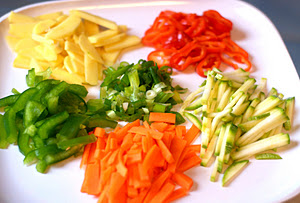
Asparagus 49 mg: Artichoke 103 mg; Avocado 82 mg; Broccoli 46 mg; Baked Beans 132 mg; Cabbage 36 mg; Carrots 23 mg; Cauliflower 20 mg; Corn 79 mg; Green Beans 26 mg; Green Peppers 14 mg; Mushrooms 36 mg; Onion 23 mg; Peas 187 mg; Potato 78 mg; Spinach 15 mg; Zucchini 7 mg; Lima Beans 178 mg;
If baking at home, explore substitutes in baking found at DeVita.com. Bakers Active Dry Yeast provides a good solution when baking. Another TIP to adding levitation is to follow the recipe backwards, eliminate baking powder and salt. Beat the egg whites in a separate bowl until foamy, add a few grains of cream of tarter, beat another 10 seconds. Lastly, fold egg whites into the other ingredients.
0.000000
0.000000

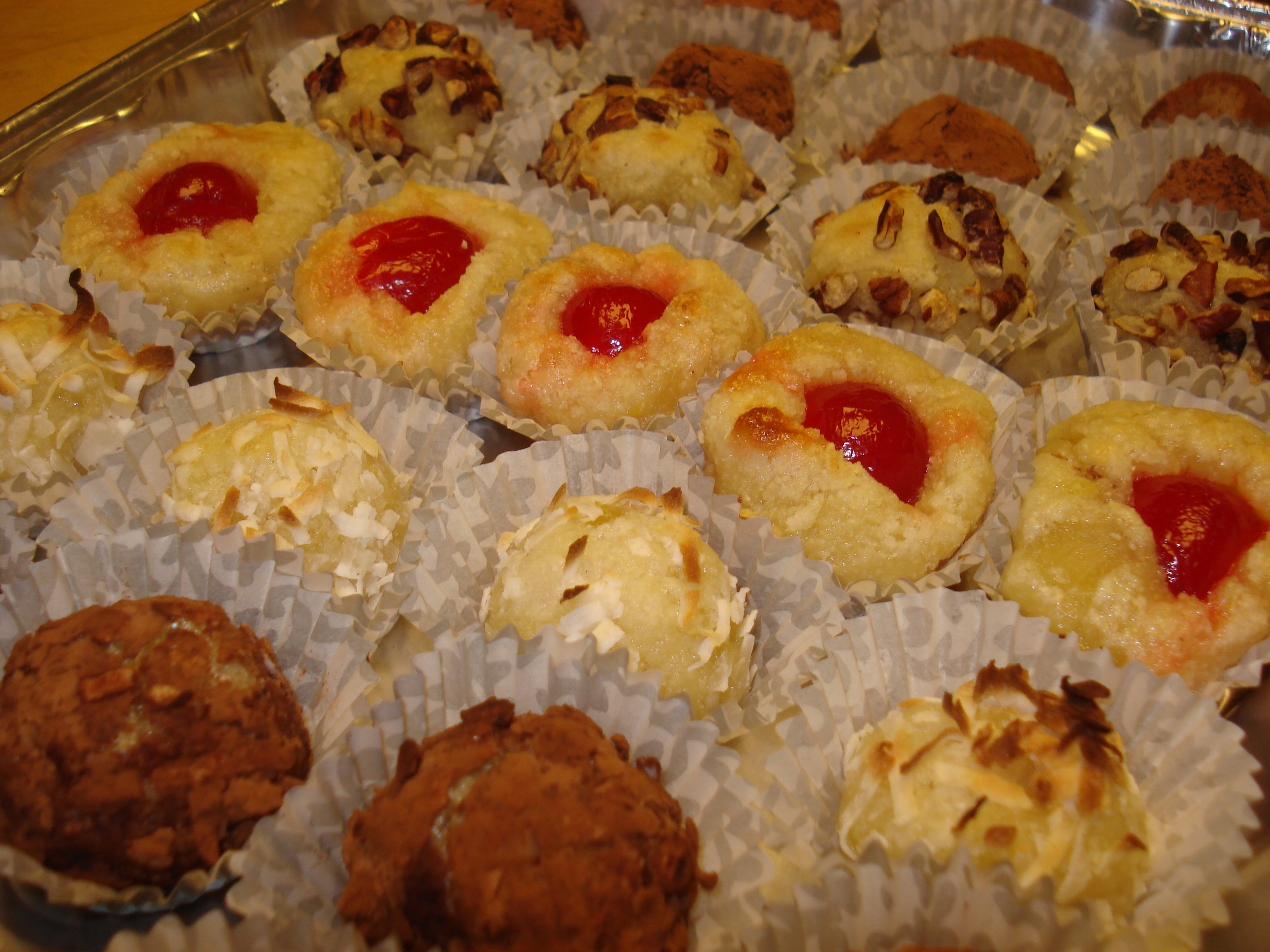 Almond cookies made with fresh lemon are easy to make and substantially nutritious. Tradition wants these cookies to be made on All Saints Day November 1 in Spain. A great dessert that can be paired with: espresso, coffee, lemon tea, Vin Santo or Limoncello. Almonds are high in Vitamin E, Manganese, Magnesium and Potassium; all which promote heart health. It has also been demonstrated, that a handful of Almonds consumed together with white bread or sugar shows a drop in the Glycemic Index, stabilizing the blood glucose after meals.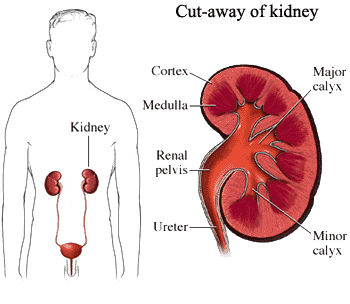


 Eat Know How
You must be logged in to post a comment.