Poolside Silohouette? Flatten your Tummy, Choose your Foods

It’s that time of year which inspires us to get our bodies healthy for three months, so that we can sit poolside and look good.  Wouldn’t it be great if we could take our lessons learned from how to get a flat tummy now and maintain it over a life long period?  I’m not talking about being 104 pounds, but achieving our own healthy weight, so that we live a lifetime of being strong and focused, mentally intact and driven! Many respectable weightloss programs such as USANA’s Macro Optimizer, Reset also provides nutritional supplements so that you can achieve your goal effectively.

Many meals come from awesome summer foods that help to curve our appetite so that we are not tempted to indulge in ice cream and frozen Margarita’s.  The various delicious fruits and vegetables (veggies burn the most calories) will bring new flavors to your palette!  By eating 4-5 fruits and 5-6 vegetables a day, your body will have to make an effort to breakdown the food and that energy will contribute to weightloss!  Treat yourself to something new in your salad by shredding fresh herbs into your salad such as: cilantro, arugula, mint, parsley, 1 Small clove diced garlic, or basil which will become the driving force to try new summer recipes. 

A trick that adds diversity to your salads:  Choose 2 or more vegetables and one fruit dice them to bite size. Add 1/8 c. thinly sliced red onion, cheese of choice, herb of choice, 1 ounce of nuts, sprinkled flaxseed. Drizzle with vinaigrette dressing, or olive oil and balsamic vinegar. (salt and pepper to taste)

Fresh fruit drink.  Choose 2-3 fruits, wash and peel.  4 ounces of orange, pomegranate, cranberry or pear juice.  Place all in a mixer and liquefy.  May drink immediately, served chilled or frozen.

Please read the following clip from “Eight Summer Ultimate flat Belly foods” by David Zinczenko and Matt Goulding from Men’s Health who recently had an article posted on Yahoo

“Find a way to work these potent super-foods into your diet every day, and you’ll curb cravings before they hit, crowding out much of the junk we turn to when hunger calls. The result? Well, it could mean saving 600 calories or more a day. Couple that with 30 minutes of moderate exercise, and you can shed as many as 12 pounds in six weeks!  Which is in standing with the rule that states, “1-2 pounds a  week to properly shrink lipid cells” Read more on Calorie Shifting Fad and Facts and USANA Nutritional Supplements and Products  

1. Spinach
It may be green and leafy, but spinach is no nutritional wallflower. This noted muscle-builder is a rich source of plant-based omega-3s and folate, which help reduce the risk of heart disease, stroke, and osteoporosis. Bonus: Folate also increases blood flow to the nether regions, helping to protect you against age-related sexual issues. Aim for 1 cup fresh spinach or a half cup cooked per day.

SUBSTITUTES: Kale, bok choy, romaine lettuce

FIT IT IN: Make your salads with baby spinach; add spinach to scrambled eggs; drape it over pizza; mix it with marinara sauce and then microwave for an instant dip.

2. Yogurt
Calcium is a major contributor to effective weight loss.  Various cultures claim yogurt as their own creation, but the 2,000-year-old food’s health benefits are not disputed: Fermentation spawns hundreds of millions of reinforcements for the battalions of beneficial bacteria in your body. That helps boost your immune system, provides protection against cancer, and even does duty as a cavity-fighter. Not all yogurts are created equal, though, so make sure the label says “live and active cultures.” And watch out for high-fructose corn syrup; stealth sugars are worth avoiding in yogurt and everywhere else.

SUBSTITUTES: Kefir, cottage cheese, ricotta

FIT IT IN: Yogurt topped with blueberries, walnuts, flaxseed, and honey is the ultimate breakfast — or dessert. Plain low-fat yogurt is also a perfect base for creamy salad dressings and dips.

3. Tomatoes
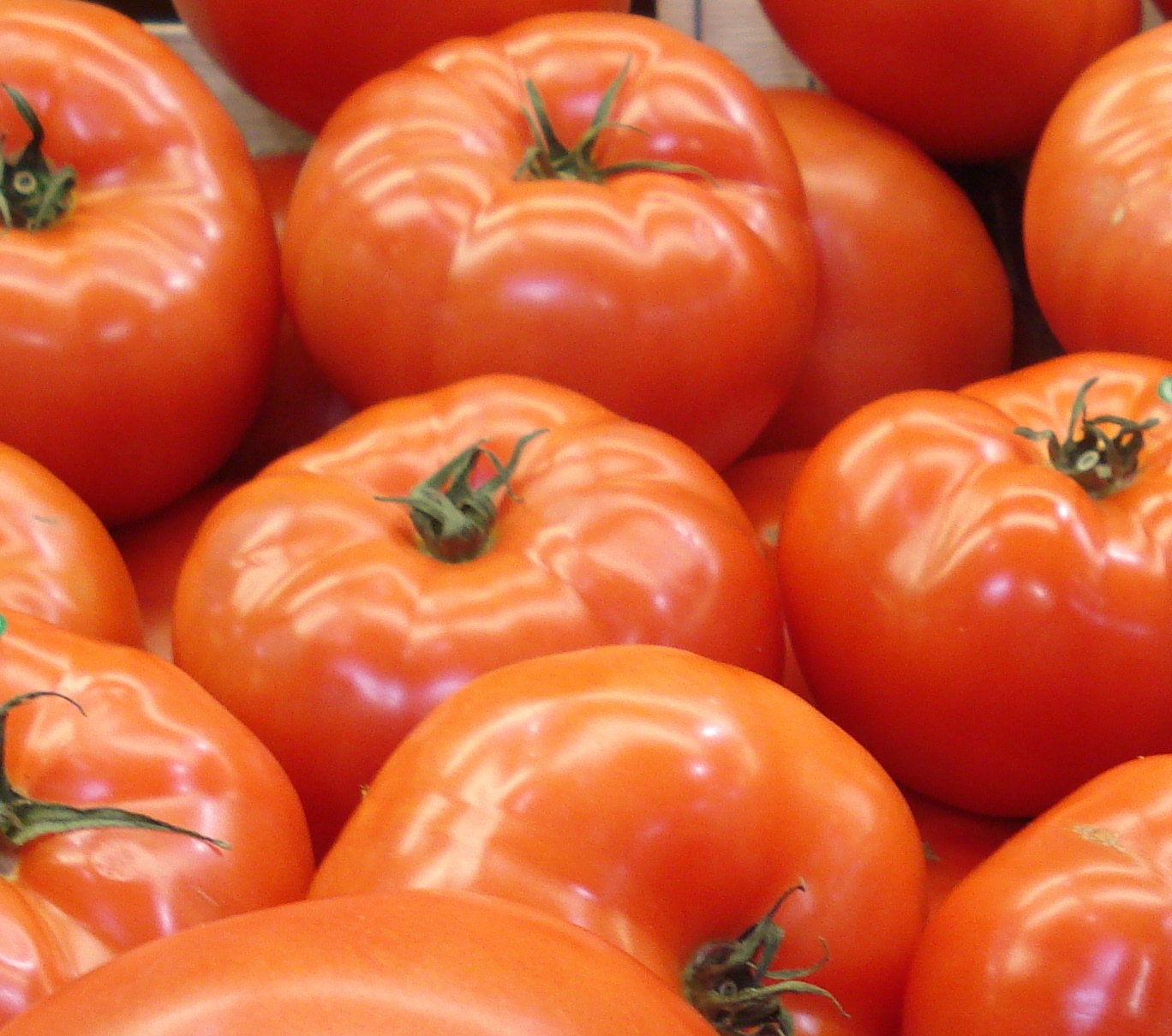
There are two things you need to know about tomatoes: Red are the best, because they’re packed with more of the antioxidant lycopene, and processed tomatoes are just as potent as fresh ones, because it’s easier for the body to absorb the lycopene. Studies show that a diet rich in lycopene can decrease your risk of bladder, lung, prostate, breast, skin, and stomach cancers, as well as reduce the risk of coronary artery disease. Aim for 22 mg of lycopene a day, which is about eight red cherry tomatoes or a glass of tomato juice. Plant some now for a health harvest in July and August. This Men’s Health video will show you how.
SUBSTITUTES: Red watermelon, pink grapefruit, Japanese persimmon, papaya, guava

FIT IT IN: Dress sliced heirloom tomatoes with torn basil and olive oil; guzzle low-sodium V8 and gazpacho; roast cherry tomatoes and serve over grilled fish or chicken.

4. Carrots
Most red, yellow, or orange vegetables and fruits are spiked with carotenoids — fat-soluble compounds that are associated with a reduction in a wide range of cancers, as well as a reduced risk and severity of inflammatory conditions such as asthma and rheumatoid arthritis — but none of them is as easy to prepare, or have as low a caloric density, as carrots do. Aim for a half cup a day.

SUBSTITUTES: Sweet potato, pumpkin, butternut squash, yellow bell pepper, mango

FIT IT IN: Snack on baby carrots; grate raw carrots into salad; toss a carrot into a breakfast smoothie with frozen mango and OJ; roast carrot chunks with olive oil, salt and cumin.

5. Blueberries
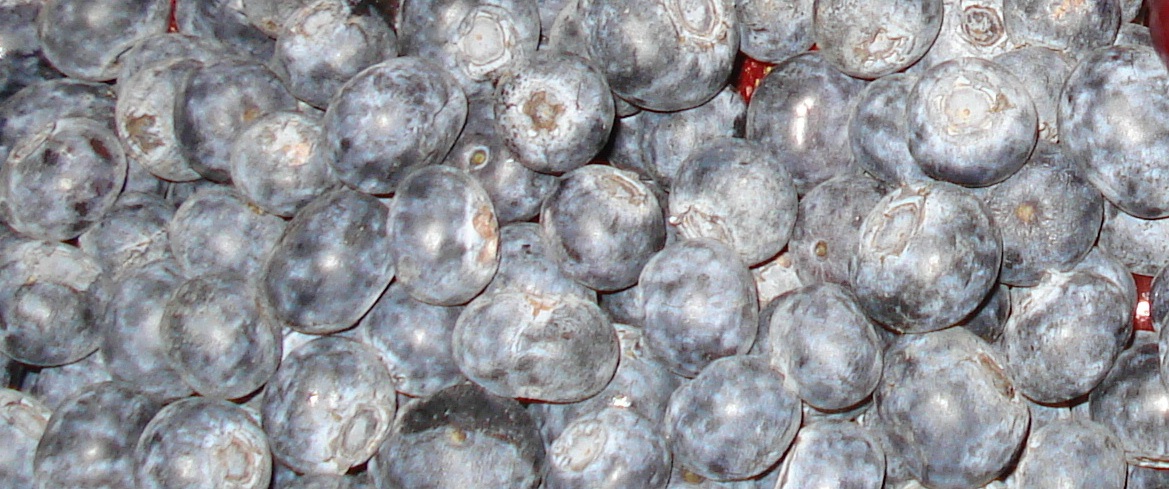
Host to more antioxidants than any other North American fruit, blueberries help prevent cancer, diabetes, and age-related memory changes (hence the nickname “brain berry”). Studies show that blueberries, which are rich in fiber and vitamins A and C, also boost cardiovascular health. Aim for 1 cup fresh blueberries a day, or a half cup frozen or dried.
SUBSTITUTE: Açai, an Amazonian berry, has even more antioxidants than the blueberry. Mix 2 Tbsp. of açai powder into OJ or add 2 Tbsp of açai pulp to cereal, yogurt, or a smoothie.

FIT IT IN: Mix fresh blueberries into plain yogurt; blend with ice, yogurt, banana, and OJ for a 60-second smoothie; toss with baby spinach, red onions, goat cheese, and raspberry vinaigrette for a summer salad.

6. Black Beans
All beans are good for your heart, but none can boost your brain power like black beans. That’s because they’re full of anthocyanins, antioxidant compounds that have been shown to improve brain function. A daily half-cup serving provides 8 grams of protein and 7.5 grams of fiber, and is low in calories and free of saturated fat.

SUBSTITUTES: Peas, lentils, and pinto, kidney, fava, and lima beans

FIT IT IN: Wrap black beans in a breakfast burrito; use both black beans and kidney beans in your chili; puree 1 cup black beans with 2 Tbsp olive oil and roasted garlic for a healthy dip; add favas, limas, or peas to pasta dishes.

7. Walnuts
Richer in heart-healthy omega-3s than salmon, loaded with more anti-inflammatory polyphenols than red wine, and packing half as much muscle-building protein as chicken, the walnut just needs a cape and we could call it a superhero. Other nuts combine only one or two of these features, not all three. A serving of walnuts — about 1 ounce, or seven nuts — is good anytime, but especially as a post-workout recovery snack. Keep a can of Planters Nutrition Heart Healthy Mix in your desk drawer or glove compartment, and use them to lead you away from temptation.

SUBSTITUTES: Almonds, peanuts, pistachios, macadamia nuts, hazelnuts

FIT IT IN: Sprinkle on top of salads; chop and add to pancake batter; mix 1 cup walnuts with a half cup dried blueberries and a quarter cup of dark chocolate chunks.

8. Oats
The original wunderkind of health food, oats garnered the FDA’s first seal of approval. They are packed with soluble fiber, which lowers the risk of heart disease. Yes, oats are loaded with carbs, but the release of those sugars is slowed by the fiber, and because oats also have 10 grams of protein per half-cup serving, they deliver steady muscle-friendly energy.

SUBSTITUTES: Quinoa, flaxseed, amaranth, pearly barley

FIT IT IN: Eat granolas and cereals that have a fiber content of at least 5 grams per serving; sprinkle 2 Tbsp ground flaxseed on cereals, salads, and yogurt; sub quinoa in for brown rice.”

Thank you to David and Matt for allowing Eat Know How to utilize a portion of their article!

By; Kim Crocker

Asia shares White Tea and it’s Benefits

Healthy, Nutritional.  White Tea that contributes to your longevity!

Relax and Heighten Your Senses

The Kitchen smells of a bouquet of Papaya, Raspberries, Mango and Peaches.  Spring is in the air and the flavorful fruit smells that embrace me, don’t place me in an exotic country, but in my mid western home.  I have three different tea’s in front of me, which have tantalized my tongue and whose perfume has awakened my senses.  Lipton’s white tea has a taste that is light and mild. It is a refreshing way to enjoy a drink made from a combination of natural flavors, orange leaves, lemon grass, rose hips and licorice root.  They are packed with antioxidants to combat free radicals brought on by stress and a fiber reduced diet.  Dentist’s will make this their recommended tea of choice, as white tea’s staining properties are not as intense as other tea’s.

White Tea Facts

“White tea comes from is chiefly produced in Fujian Province in China with only limited or negligible production outside and more commonly just known as Yinzhen. Amongst white teas this is the most expensive variety and the most prized as only top buds are used to produce the tea. Most Yinzhen is made from the Da Bai or Large White tea tree race, however there are exceptions such as the big bud teas from Yunnan. Yinzhen tea is considered to be good for health. According to the researchers at the Linus Pauling Institute at Oregon State University, white tea may be used to fight cancer as well as acting as a deterrent.  The tea is nowadays mostly grown in the Fujian Province and there are generally two major producing counties, Zheng He and Fuding.”

  1. Lipton Tea Contest http://www.areyouyoungenough.com/

  2. http://youtube.com/results?search_query=lipton+tea&search_type=

  3. http://en.wikipedia.org/wiki/Bai_Hao_Yinzhen_tea

By:  Kim Crocker


Beauty of Wine and Grape Juice

The presence and evidence of wine has been traced to the first and second millennium in China and from there, production of wine has been found to also exist during 5000-6000 BC in the Mid-East.  Wine evolved and technology began to advance during the Roman Empire as vineyards were cultivated and wine was stored and shipped in barrels.  Today, researchers provide us with the latest DNA results concerning the progress of the fruit and it’s spirit.

After much DNA research on grapes in the countries of Australia, France and Italy the studies have concluded that the next two-four years of wine production should be exceptional due to the optimal quality of the grape. “The cultivated heterozygous grape species, Vitis vinifera, has potential to become a model for fruit trees genetics after determining it’s genome sequencing”, according to the IASMA Research Center, San Michele all’Adige, Trento, Italy.   Agriculturalists will benefit from this research by quickly identifying and reducing the number of micro-organisms or parasites that are bringing harm to the plant, allowing the farmers to produce a more stable product.  The consumers can look forward to a higher quality wine, which will be more readily available.

Italian wines have consistently outpaced the French and Spanish wines over the past few years. Recent statistics released in a survey done in Los Angeles, CA have shown young Americans and women to perfer: Chianti Classico, Pinot Grigio (Alto Adige and Friuli), Barolo, Barbaresco and Brunello.  However, countries that are competing for a place in the local cantina are: Africa, Argentina and Portugual.  All who have found ways to provide a table wine that will elegantly enhance the simplest to priciest of dinners.

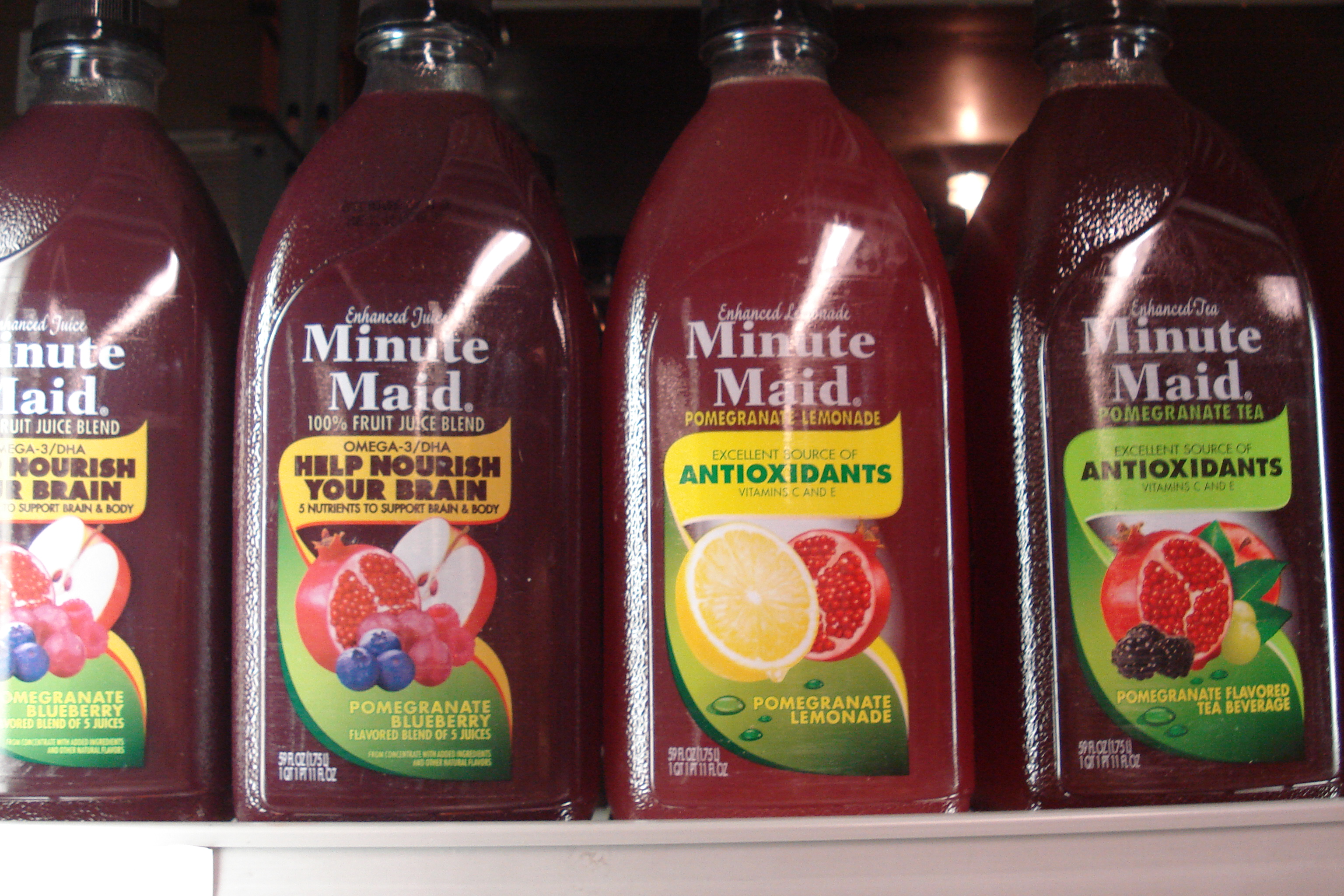
              Recent information in the media presents the  medicinal benefits of wine and juice content of fruit (i.e. Minute Maid), which comes from a chemical compound called Resveratrol (also found in peanuts, soy, cranberries, blueberries, and Itadori tea which maybe a good substitute for red wine) linking it to possible human longevity.  What is known about resveratrol is that it is produced in the skin of red/purple grapes and it’s main purpose is to operate as an anti-fungal agent or an anitbiotic.  It transfers to the juice of the fruit during crushing and fermentation. It’s typically found in red wines, but not white wines. 

Resveratrol is a phenolic compound that can be found where grapes grow in colder climates such as: Northern CA, MI, Canada and North European countries.  This is because rainfall is more and sunlight is less, hence the need for resveratrol to fight against developing fungi.

Medicinal resveratrol has been evident when 1 glass of wine is consumed daily, permitting the blood cells to smoothly pass each other instead of sticking to one another and creating potential blood clots that lead to heart disease. According to the AWRI (Australian Wine Research Institute), Resveratrol is being studied to determine it’s effect on damaged DNA and how it may act as an anti-cancer agent. “It appears related to anti-oxidation, where resveratrol may prevent and repair damage to DNA associated with the initiation of cancer, as well as acting to prevent the growth and proliferation of cancer cells, both at the gene and cell level.”

One cup serving of grapes yields: 57 calories, 6 grams of protein, 16 grams of carbohydrates, 2 mg of sodium, 1 gram of dietary fiber and vitamins A and C.

One glass of red wine yields: 4 oz 85 calories, sodium 6 mg, total carbohydrates 2 g.

by: Kimberly Crocker Scardicchio

Global Literature Research

  1. Perspectives in Nutrition, Sixth Edition Wardlow, Hampl, DiSilvestro
  2. Fundementals of Anatomy & Physiology 6th Edition, F. Martini
  3. pubmed.gov PLoS ONE. 2007 Dec 19;2(12):e1326.
  4. http://www.awri.com.au/industry_development/wine_and_health/faqs/
  5. http://www.foodanddrinkeurope.com/news/ng.asp?n=66631-grape-genome-wine
  6. http://194.177.100.52/comunicati/doc/2350-gbChiusuraVinitalyUs07.doc
  7. Pubmed Jennifer Burns, Takao Yokota, Hiroshi Ashihara, Michael E. J. Lean, and Alan Crozier*Plant Products and Human Nutrition Group, Division of Biochemistry and Molecular Biology, IBLS, University of Glasgow, Glasgow, G12 8QQ, U.K., Department of Human Nutrition, Glasgow Royal Infirmary, Queen Elizabeth Building, Glasgow, G31 2ER, U.K., Department of Biosciences, Teikyo University, Utsunomiya 320-8551, Japan, and Metabolic Biology Group, Department of Biology, Faculty of Science, Ochanomizu University, Otsuka, Bunkyo-ku, Tokyo 112-8610, Japan                 

Tea’s Combat: Weightloss, Anxiety, Cholesterol, High bp

 “Kava kava Tea has been used to treat anxiety/nervous disorders, migraines, hyperactivity in children, insomnia, menstrual cramps, UTI and bladder problems.  Kava was used by the Germans in the 1890s for pharmaceuticals relating to blood pressure; before then, it was utilized by the Polynesians”, based on collected research at A 2 Z Health, Beauty and Fitness.

Today, Kava is used as a non-addictive way to sooth nerves and relax. In , small recommended doses, no side effects have been found for Kava. However, large dosages of Kava can have a sedative effect, which means that one should avoid alcohol, driving, and operating heavy machinery when taking heavy amounts. Talk to your doctor before consuming Kava tea if you have liver disease.

The “kava” lactones, which are the plant chemicals that produce the desired effects, have been studied in the use of relaxing stiff muscles by blocking signals in the user’s nerves.”

Additional safety studies have been done on Kava.  Negative research has been denounced by Polynesian countries who have used  the plant’s health benefit’s for 3000 years.  Leading others to put into question how the plant is processed and sold  in such countries as Germany and Switzerland.  It should also be noted that the Polynesian lifestyle has been recognized for their longevity, to which Kava has been a contributing factor.

Black Tea  is grown from a tree in higher elevations of China, India, Japan, Sri Lanka. The healing benefits of  black tea has been used throughout history for medicinal purposes. It helps relieve diarrhea, lowers cholesterol levels and helps prevent tooth decay. The tea has a therapeutic effect on gastric and intestinal illnesses because of its tannins. To get the maximum benefit for diarrhea let the tea steep for a full 15 minutes.

Black teaimproves circulation,  by opening the capillaries and normalizing blood pressure (bp).  Benefits are noticed by simply drinking 2 cups of black tea 2x’s a day for 3 weeks.  Additional benefits are contributed to the theophylline in black tea that helps improve cholesterol levels. It also has been known to expand the airways, improving on easier breathing for asthmatics.  Black tea also helps with preventing tooth decay due to the Fluoride, a trace element found in black tea, which strengthens tooth enamel.

Oolong Tea  is made by allowing the raw leaves to sun-wilted and bruise, which exposes their juices to the air, so the leaves oxidise and start to turn brown like a cut fruit. They oxidise only partially, giving them a rich, floral flavour. The tea is then dried fully; locking in the rich flavors that oolong tea is known to offer. Oolong’s unique drying process creates a tea that has many metabolic stimulating attributes, therefore, it comes in a wide range of tastes and aromas from teas very close in taste to green tea to those very close to black tea.

Health Benefits

Oolong tea burns over 157% more fat than Green Tea and has become the most popular tea designed to accelerate weigh loss!!!  Drinking two cups of Oolong tea every day helps shed stubborn pounds by boosting your metabolism and blocking the fattening effects of carbohydrates.

Large quantities of polyphenol in Oolong tea:

  • • promotes strong, healthy teeth;
    • improves cognitive functioning and mental well-being;
    • preventing eczema, allergies
    • clarifies your skin, giving it a healthy, radiant glow and
    • strengthens your immune system.
  • Studies show in Japan and USA that it may be an effective adjunct to treating Type 2 Diabetes.

Only three teas have been discussed, however, many varieties are known to bring a wide range of health benefits.  So end your day by unwinding with a cup of Chamomile tea. 

By: Kimberly Crocker

Literature Research

  • Safety of Kava
  • Anon. FDA Issues Warning on Kava Suplement. St. Louis Post-Dispatch, March 26, 2002.
  • Anon. Kava Use Not Linked to Liver Damage, Report Says. Vitamin Retailer, April 2002.
  • Anon. NNFA Releases Expert Analysis of Kava Safety. Whole Foods, April 2002.
  • Blumenthal, Mark. The Safety of Kava Questioned. Whole Foods, March 2002.
  • Duke, James A. Dr. Duke’s Essential Herbs. New York: St. Martin’s Paperbacks. 2001.

Guiltless Ordering Tips to Empower Mid-West Eaters

Calorie Restriction (CR) is the fastest way to slow down our aging process” according to various research studies worldwide.  The amount that is served at the price that is given usually looks like a pretty good deal in any restaurant, but remember that we can only burn a certain amount of calories.  The rest of the calories not utilized in a 24 hour period turns to fat. Thus, a daily meal plan is critical so that each calorie that is consumed is nutrient filled. 
Knowing how to order, and understanding why we need certain foods throughout the day can only empower us when walking through the door of our favorite hometown Eatery.  The key to Guiltless eating is one must have the mindset of Whole Foods,  whether you are eating at Panera, Skyline Chili, Krogers, Wild Oats, Subway, McDonalds, or Wendy’s.  The naturally occurring vitamins and minerals within such produce will energize your mind and body throughout the work day. 

Fluids are equally important to a successful diet. Add 1-2 glasses of water with 1/2 to 1 whole lemon each day. Also drink 1-2 cups of Oolong tea each day. Oolong tea burns over 157% more fat than Green Tea and has become the most popular tea designed to accelerate weigh loss. 

KNOWLEDGE IS POWER… CHOOSE WISELY

Pass on the chips, burgers and fries.  Ask to replace them with fish, lean meat, rice, yogurt, fruit or vegetable!

1.  Broiled Salmon or fish has Vitamins A, D, E, magnesium, calcium omega 3, 6.   Vitamins A,E, D is beneficial for skin and eyes. Magnesium assist the gut in keeping things moving, plus a mood stabilizer.  Omega 3,6 promotes HDL in removal of plaque build up in arteries plus reduces inflammation within the body.

2.  Lean meats have Vitamin B’s.  According to Life Clinic, “they help to process calories from carbohydrates, protein and fat. Your body needs it for growth and red cell production, and adequate riboflavin intake promotes healthy skin and good vision”.

3.  Bean Soup has various vitamins and magnesium!  We need 600-800mg magnesium to balance the calcium so that constipation is not an issue. Magnesium is found in fish, pumpkin seeds, nuts and beans.  It is also a mood enhancer curving depression, fatigue, leg cramps, migraines, loss of appetite, nausea, vomiting and high blood pressure.

4.  Leafy greens and  salads with nuts or seeds vineagrettes. Obtain magnesium, Omega 3,6.  for Vitamin K, A and iron.  Promotes blood coagulation (vit. K) plus  skin cell repair.   

5.  Vegetable Sticks, Fruit for fiber, vitamins, nutrients and antioxidants to combat free radicals.

6.  GO FOR Multi-Grain or Whole Wheat breads.  When wheat (or any other grain) is processed into flour the germ and the bran (which contain most of the nutrients and fiber) are discarded. The whiter the flour the more nutrients have been stripped away. At this point I consider it a serving of sugar and not a ‘grain’.

7.  Lemon water . Lemon has Vitamin C (any fruit or veggie), which allows for iron to better bind to hemoglobin (red blood cells), reducing opportunity for anemia.

8.  Skim or 1% milk (also leafy greens).  We need 1200 mg of calcium a day found in milk and leafy greens.  Calcium contributes to healthy bones and muscles so that when they are stronger weightloss is more prevalent.

9.  Oolong, Green and Black teas are some of the best teas with the highest amount of anitoxidants present per mg. It’s a great way to keep your cognitive functions healthy and focused!  Additional evidence boasts of Oolong tea benefiting your pancreas and optimizing it’s ability to work better too.

BE EMPOWERED.  Know what nutrients you are providing yourself with and why you need them.  To eat Guilt Free is to eat with a sense that you are giving your body the best that you can for the day.  The Whole Foods will help you to combat Depression, keep Diabetes and Heart Disease at bay.  Nutrients from Whole Foods strengthen your body so that pathologies requiring medication can be kept at lower doses.  French fries, chips, chocolates, soda’s, white bread, or large amounts of cheese are all tasty, but must be eaten in small quantities, reducing intake of no more than 3 times a week.

 By: Kimberly Crocker

Literature Research

http://www.ncbi.nlm.nih.gov/pubmed/12766099?ordinalpos=5&itool=EntrezSystem2.PEntrez.Pubmed.Pubmed_ResultsPanel.Pubmed_RVDocSum

http://www.ncbi.nlm.nih.gov/pubmed/16618952?ordinalpos=2&itool=EntrezSystem2.PEntrez.Pubmed.Pubmed_ResultsPanel.Pubmed_RVDocSum

http://thyroid.about.com/b/2005/05/26/what-you-need-to-know-about-the-benefits-of-magnesium.htm

http://www.lifeclinic.com/focus/nutrition/vitamin-b2.asp