Turmeric & Saffron to Cleanse & Heal Body

Turmeric cleanses the body

Go for it….Spice up your life!  Scientific research has revealed what the people of India have known for centuries! Turmeric and Saffron, whether combined with pharmaceuticals, or taken by themselves, cleanse the skin and cure what ails you; both spices functioning as natures prized antibiotics.

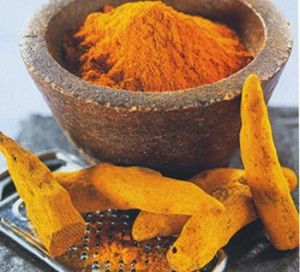
Turmeric and its cousin Saffron contain a polyphenol called “curcumin”, an  antioxidant that is associated with reducing nutrition related pathologies. They are bland tasting, turmeric has a rich yellow color that we associate with “Curry”  and saffron is orange and string-like. These wonderful seasonings are slowly taking on the health importance that they deserve.

Studies have determined that “Curcumin” impacts health as an: “antioxidant, anti-inflammatory, antiviral, antibacterial, antifungal, and anticancer activities and thus has a potential against various malignant diseases, diabetes, allergies, arthritis, Alzheimer’s disease, and other chronic illnesses.

The positive impact of the medicinal properties are mediated through the regulation of various:  transcription factors, growth factors, inflammatory cytokines, protein kinases, and other enzymes”, states The University of Texas MD Anderson Cancer Center. They further attest curcumin to be the “Spice of Life” saying that, “Curcumin exhibits activities similar to recently discovered tumor necrosis factor blockers (e.g., HUMIRA, REMICADE, and ENBREL), a vascular endothelial cell growth factor blocker (e.g., AVASTIN), human epidermal growth factor receptor blockers (e.g., ERBITUX, ERLOTINIB, and GEFTINIB), and a HER2 blocker (e.g., HERCEPTIN).”   All evidenced in the country of India which has been duly of having lower occurrences of heart disease and cancer.

Saffron comes from the crocus flower

Many comparisons have shown that individuals who leave India are diagnosed with a health disease, not otherwise documented in previous family history, after moving into a western society.  Duly noted, the main difference in dietary intake was a lower to “no” amounts of turmeric being consumed in their meals.

Turmeric is not as costly as saffron and is readily available with other herbs and seasonings in stores, or in 300 mg capsule form in the vitamin and mineral grocery isle.

Introducing turmeric into meal preparation is very easy to do. 1 teaspoon added to rice, pasta, potato’s, soups and vegetables are good ways to switch from the salt shaker to a healthier spice that heals and makes your body work and function better. Saffron is more costly and commonly used in the Italian dish Risotto Milanese, however, it also provides the same healing benefit as its close relative.

MANY HOME REMEDIES USING TURMERIC

  • With a few grains, turmeric’s antiseptic properties help to heal cuts, wounds, kitchen burns and abrasions. Make a paste of Turmeric and Raw Honey; 1 teaspoon honey and 1 teaspoon turmeric.  Adjust amount to wound, apply to wound and cover with a gauze. 3 x’s/day.
  • Gently rub a small dusting of turmeric onto area of face to reduce facial hair growth. Massage into skin with a dampened tea bag.
  • A mixture of 1 teaspoon turmeric and 1/4 cup yogurt rubbed onto the abdomen to reduce stretch marks during pregnancy. Rinse off after 5 minutes.
  • Added 1/4 teaspoon to individual meals through out the day, keeps various diseases a bay.
  • Mixture of 1/4 teaspoon turmeric, 1/8 teaspoon salt and 1/2 teaspoon mustard oil rubbed into gums to combat gum infections. Rinse with warm water.
  • Accredited for reducing anemia and sore throats by eating a paste made of 1 teaspoon raw honey & 1/4 teaspoon of turmeric. 3 x’s/day.
  • Stop diarrhea by drinking, 1/4 teaspoon turmeric to 1 glass of water
  • Sick with an infection? Combine: glass of milk  and stir in 1/2 teaspoon turmeric , 1 teaspoon honey. Drink this natural antibiotic 2 times a day.
  • Medicinal use for pathologies have duly noted an intake of 1-2 teaspoons of turmeric  3x’s a day inhibits growth of tumors, improves function of pancreas, reduces incidence of heart attack.
  • Combat GERD or “Acid Reflux” by consuming 1/8 teaspoon turmeric (a 300 mg capsule) before dinner. Also consider Fast Relief: Fennel Seeds Combat Digestive Problems and

Gas Pains Drink Lemon Water

  • Heal Acne by combining in a bowl 1/2 tsp water, 1/4 tsp turmeric and 1/8 tsp salt. With a cotton ball gently dab a small amount of  paste onto acne and allow skin to absorb ingredients overnight. In the morning, gently cleanse to remove and refresh skin.
For modern western medicine practices, the excitement around the ancient asian spices brings hope on the horizon for how meal preparation can enhance an individuals overall health. The many benefits of polyphenol curcumin are continuously being researched: Inflammation, Arthritis, Irritated Bowel Syndrome, Kidney Disease etc. Present studies  have shown that curcumin inhibits the proliferation of tumor cells in cultures, human and animal studies. Curcumin’s many strengths and limitations are being seriously explored and are bringing new opportunities to healing ones body.
By, Kim Crocker-Scardicchio
Recipes

Lentil Soup
Replace the Salt Shaker
Chicken Curry
Pork or Beef Roast with Vegetables
Risotto Milanese
Spices to Lower Inflammation
Health Benefits of Saffron

References
 1.  Food Chem Toxicol. 2011 Aug;49(8):1834-42. Epub 2011 May 6.
 Safety Assessment of a Solid Lipid Curcumin Particle Preparation: Acute and Subchronic Toxicity Studies.
 Dadhaniya PPatel CMuchhara JBhadja NMathuria NVachhani K Soni MG.
 Pre-Clinical Department, Cadila Pharmaceuticals Ltd., Dholka 387 810, India.
 website:  http://www.ncbi.nlm.nih.gov/pubmed?term=benefits%20turmeric%20body
2  .Best Pract Res Clin Gastroenterol. 2011 Aug;25(4-5):519-34.
 Curcumin: The Potential for Efficacy in Gastrointestinal Diseases.
 Irving GRKarmokar ABerry DPBrown KSteward University of Leicester, Department of Cancer Studies, Room 503, Robert Kilpatrick Clinical Sciences Building, Leicester Royal Infirmary, Leicester LE2 7LX, UK.
 website:  http://www.ncbi.nlm.nih.gov/pubmed/22122768
3. J Fam Pract. 2011 Mar;60(3):155-6.
 Clinical Inquiry. Does turmeric relieve inflammatory conditions?
 White BJudkins DZ.
 Oregon Health & Science University, Family Medicine, Portland, USA.
 website:  http://www.ncbi.nlm.nih.gov/pubmed/21369559
4.  Anticancer Agents Med Chem. 2011 Oct 25. [Epub ahead of print]
 Curcumin and its Formulations: Potential Anti-Cancer Agents
 Zhu HLJi JLHuang XF
 zhuhl@nju.edu.cn.    http://www.ncbi.nlm.nih.gov/pubmed/22044005
5. Nutr Cancer. 2010;62(7):919-30.
 Curcumin, the golden spice from Indian saffron, is a chemosensitizer and radiosensitizer for tumors and chemoprotector and radioprotector for normal organs.
 Goel A
 Aggarwal BB
 Department of Internal Medicine, Baylor University Medical Center, Dallas, Texas, USA.
6. Curcumin; Indian Solid Gold http://www.ncbi.nlm.nih.gov/pubmed/17569205

Home Remedy Facial! Stimulate Your Skins Collagen & Elastin

Our skin is able to play an important role in maintaining the body’s homeostasis. Skin has the ability to cool or keep warm through proper release or conservation of water, assists in maintenance of body temperature and protecting us from disease. Skin is made up of two important proteins that keep the connective tissues from deteriorating; collagen provides firmness to the skin while elastin gives flexibility. Foods that we eat contribute to building a meshwork of important collagen and elastin at the dermis. As we age the skin loses its moisture becomes dehydrated, wrinkled and sagged, both exercise and a healthy diet promotes the longevity and overall health of the skin.Collagen is made through the presence of Vitamin C and while zinc maintains both collagen and elastin.  Include these foods in your diet: Tomatoes, Oranges, Guava, Berries, Kiwi, Red Peppers, Brussel Sprouts, Cantaloupe, Nuts, Olives, Dark Chocolate.

Fish for Omega-3 come in a variety with salmon and  tuna  leading the way as excellent foods for building collagen and elastin in the body, keeping the health of cells strong so that proper blood flow is promoted throughout the body.

Prunes and Blueberries are chocked full of antioxidants excellent for combating free radicals which could otherwise work against the body so that illness could be more prevalent.  Prevent these damaging free radicals by eating ¼ cup of berries (blueberries), or 6 prunes, both which are ideal to optimize antioxidant intake.

Likewise Vitamin K is equally critical to healthy skin, it is a fat soluble vitamin stored in the liver and can be consumed in a variety of foods without exaggerating the serving size.  In most cases a daily serving of ½ cup of a dark green is sufficient for what your body needs.

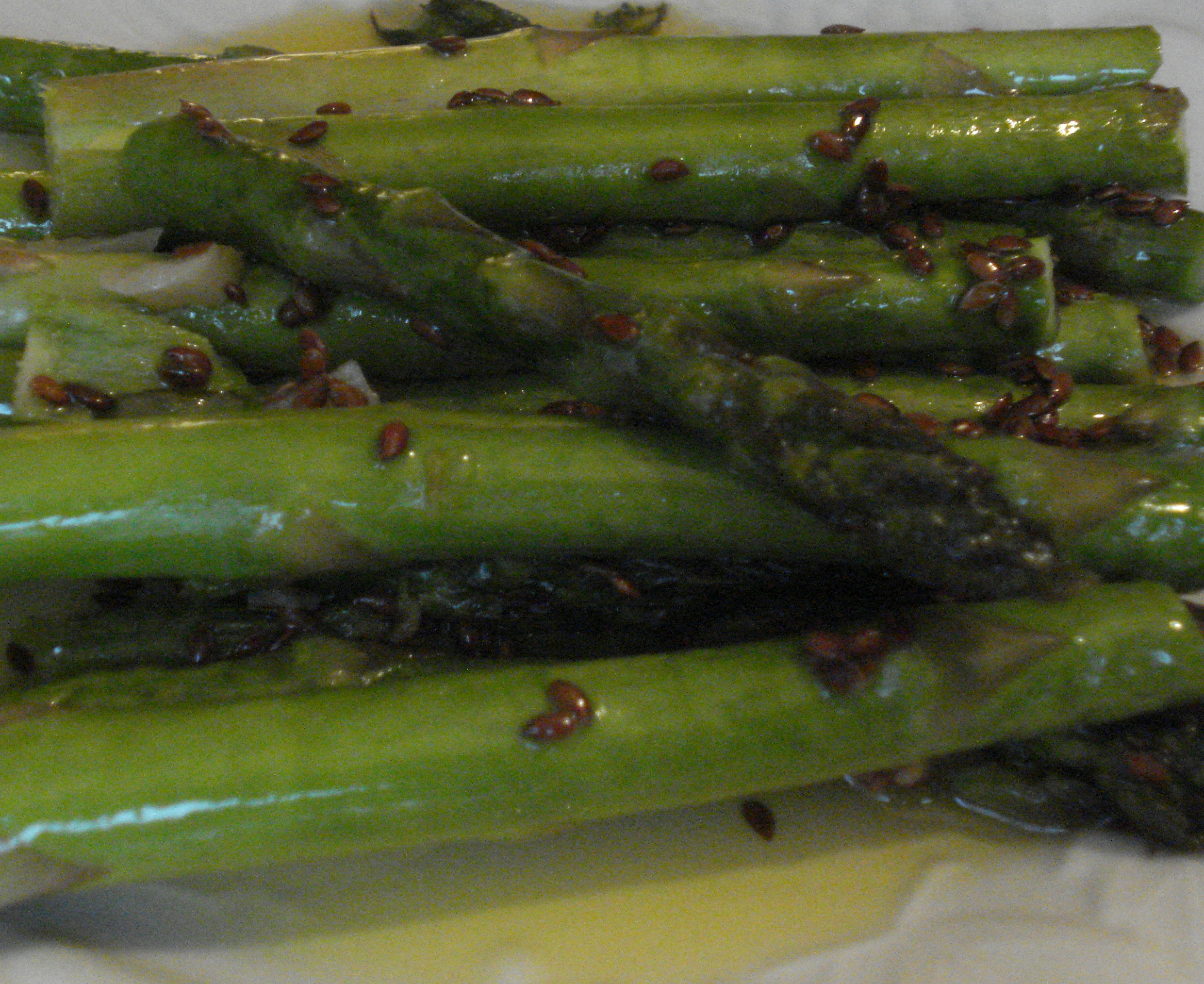
Vitamin K1: Dark green vegetables (Asparagus, Broccoli, Cauliflower), Leafy Greens (Kale, Collards, Spinch), Green Tea, Cantaloupe, Banana’s, Kiwi, Berries, Apricots

Vitamin K2: found in chicken, salami, ground beef, hard and soft cheese butter.

The list and purpose of Vitamin K show’s why this important vitamin needs to be a part of our daily intake.

  1. Restores health of skin. If topically absorbed, helps to build up the skin around the wrinkle or line to actually erase the sight of them.
  2. Combined with topical vitamin A reduces:  bruises, scars, skin burns, rosacea and dark circles under the eyes.
  3. Promotes Prothrombin then thrombin for proper blood clotting and wound healing.
  4. Aids in curing osteoporosis. Blood is made in the bone. By having vitamin K present bones become stronger, aids bone formation and repair
  5. Prevents certain kinds of cancers that affect the inner linings of the organs, promotes flexible organs, fights against hardening of the arteries.
  6. Important role in the intestines as it helps to change glucose into glycogen(carbohydrate) thus promoting healthy liver function.  (If not present it would result in abnormal or internal bleeding.)
  7. Eat fresh salads, fruits and vegetables in order to optimize on the quality of food and vitamin. Cooking foods high in vitamin K causes the compounds to be leeched and reduces the overall benefit of both food and vitamin.

EASY TO MAKE TOPICAL FACIAL:

  • ¼ cup Rose Water
  • 2 Tbsp Sea Salt or try brown sugar
  • 1 Tbsp Honey

Combine all ingredients.  With a soft cloth apply mixture to face working in small circles. Rinse your face with warm water and pat dry with a towel, do not rub dry.  Skin scrub only twice a week for optimal skin health.

Homemade Facial Ointment (Cream)

  • 1 Tbsp Olive Oil
  • ½  tsp Honey
  • 1 tsp Green Tea (tea water squeezed from wet tea bag)
  • 6 drops Lemon Juice
  • 1 tsp Rose Water

Combine all ingredients.  The  apply  to face and neck, or entire body.  After 5-10 minutes rinse face with warm water and pat face dry with clean towel. This routine can be done once a day. Complete routine with a moisturizer. For sensitive use less time and if a rash appears use only 3 times a week.

HOME REMEDY FOR EYE SERUM

  • 6 drops Lemon Juice from fresh lemon  
  • ¼ tsp Honey
  • ½ tsp Rose Water

Combine all ingredients and apply under eye on orbital where dark circles and wrinkles are most prominent. Can be used once a day.

  • Honey is utilized to draw in moisture.  Add 1/2 tsp more if your skin is “Dry” and 6 drops of lemon juice.
  • Rose water softens skin.
  • Olive oil provides vitamin A and E to promote building of skin proteins.
  • Green tea has antioxidants to fight against free radicals that come in contact with your skin.
  • Lemon juice is high I vitamin C which stimulates new collagen and elastin in the skin.

Skin cells are rejuvenated every 30 days, utilize the homemade facial cream and see immediate results, noticeable softening and fading of facial lines within 10 days.

Foods to Reduce Bloating & Promote Diet

Fruits, Vegetables and Grains may be temporarily interfering with your weight-loss.

Making life changes to promote better health is a big step to an individual’s success. Excitement and encouragement build as the pounds are coming off, a reflection of looking thinner in the mirror and energy levels that  improve.

But a few weeks later, after making the full switch over to more “weight-loss friendly foods”, the stomach may appear larger. Stomach Bloat!  Underlying causes are numerous and include: low stomach acid, low digestive enzymes, stress, food intolerance, poor gut motility and gut dysbiosis.  The first step that most Doctors and Dietitians will advice are dietary changes.

Your meals may include more  fiber than before  and the body may not have adjusted to it yet.  The result being stomach distention and you’re left with a bloated, puffy feeling in your lower abdomen.

Eat more of these listed Foods to Reduce bloating/gas/distention:

Eat Asparagus

Asparagus a great, low-calorie side-dish for your meals, it also works well to stop the bloat.  There are certain compounds in the vegetable that promote the growth of certain bacteria in the intestines, which will then serve to increase the movement of food through the colon. Asparagus is versatile in food preparation:  eaten raw, grilled, or boiled and seasoned.


Try Papaya served with Salmon.

While you might commonly reach for an apple when on a diet, a better fruit to consider is papaya. Loaded with plenty of antioxidants and low in calories as well, it has a digestive enzyme called papain in it, which aids with the digestion and breakdown of protein by the body. While Salmon, high in omega-3’s promotes HDL cholesterol and reduces inflammation in the body.

Add Other Low Fiber Fruits:  Grapes, Kiwi, Plums Nectarines, Cherries.  Peel skin from other fruits before eating in order to reduce bloating.

Drink Water with Mint Leaves and Lemon Slices.  Also Tea’s.

Another great way to put a stop to the bloated feeling is to drink water with peppermint leaves and lemon slices.
Lemon Water . Lemons contain malic acid, a common ingredient used in over the counter “upset stomach” medication, which reduces the negative effects  that contribute to gas and bacteria.
Tea’s: Peppermint, Ginger, Fennel tea’s all  have a soothing effect on the stomach.

Include more: Celery, Fennel, Carrots, Various  types of Squash

Most diets will contain celery and carrots  since they are a low cal option.  Also try  Fennel;  served as raw slices, or steamed with olive oil and 1/2 tsp of minced garlic.  Squash seasoned with ginger, in which both contribute to reduction of bloating.  Even a small amount can really help to flush out the system and remove unwanted water weight.

Research from the Mayo Clinic suggests……….. 

Avoid foods that affect you most.   Foods high in Sugar and Carbonated Drinks are common offenders. However, “healthy food” may also not work with your bio-chemistry and may have to be reduced in your dietary intake: Beans, Peas, Lentils, Cabbage, Onions, Broccoli, Cauliflower, Bananas, Oranges, Raisins, Whole-Wheat Bread, Salads.  If dairy products are a problem, try low-lactose or lactose-free varieties.

  • Eat fewer fatty foods.

Fat slows digestion, giving food more time to ferment.

  • Temporarily cut back on high-fiber foods.

Fiber aids digestion, but many high-fiber foods are also great gas producers (apples, pears, peaches).  After a break, slowly add them back into your daily consumption and PEEL the skin before eating the fruit. You may also add products such as Beano to high-fiber foods to help reduce the amount of gas they produce.

  • Eat slowly Try to make meals relaxed occasions. Eating when you’re stressed or on the run can interfere with digestion.
  • Get moving.  It may help to take a short walk after eating. It’s been found that a  brisk 10 minute walk before a meal and after a meal will assist in digestion.
  • Try an over-the-counter remedy. If needed, talk to your Doctor about using products such as Lactaid or Dairy Ease, which can help digest lactose. Products containing simethicone can break up the bubbles in gas.

Once every three days try one of these tips and document your results.  Become more informed about your body, so that you can better communicate with your Doctor, or Dietitian.  By doing so you can avoid uneccessary tests and narrow down the problem that needs to be targeted and be more comfortable with your body.

Kimberly Crocker

References

http://www.mayoclinic.com/health/gas-and-gas-pains/DG00014/NSECTIONGROUP=2

http://www.thefooddoctor.com/Bloating-Ahealth_fdw_bloat/

Cure Gas Pains, Stomach Ache. Drink Lemon Water

3 Easy Steps Each Day to a Healthy You

Glycemic Load and Glycemic Index Recommendations

 Great way to lose weight, control heart problems and diabetes.
 Plan healthier meals utilizing the Glycemic Index
The Glycemic Index (GI) is a unique system that gives values to carbohydrates such as breads, fruits and vegetables so that you can understand how rapidly a carbohydrate turns into glucose.  Learning about the foods that contribute to excessive sugar circulation in your blood stream will assist in better understanding the foods that can benefit or work against the body.

Blood sugar must be maintained at a certain level, the brain signals the pancreas to release insulin, in order to breakdown food and bring the blood levels down to normal range by then converting excess sugar to fat.

Carbohydrates that break down quickly during digestion are given higher glycemic values (indices), while others that breakdown slowly receive lower glycemic values (indices). Once understood and put into practice, you may choose to not go back to eating the same way as before, but instead, properly monitor the nutrition intake in order to prolong the onset of diabetes.

Foods that break down rapidly:
Remove white breads, sugars.
Reduce or remove starchy vegetables: potatoes, corn, peas, various beans, winter squash, plantains, and yucca.
Reduce or remove certain fruits: Oranges, Pineapples, Bananas and other citrus foods, Apples, Pears, Peaches, Grapes, Strawberries, Blueberries, Cherries

Avoid eating foods with the following added ingredients: Fructose, Maltose, Sucrose, Corn Syrup and Gluten. It is highly advised that ALL food ingredients are reviewed before purchasing, including nuts and seeds.

Foods that break down slowly:
Whole grains and varied vegetables.
Add in fruits that are sour to taste: Apricots, Plums, Kiwi, Raspberries, juice of fresh Lemon or Limes sprayed onto meats, fish, poultry.
Add to juice of lemon to drinking water.
Add Cardio Exercise to your daily routine; heart rate should increase by 80% over normal resting heart rate and maintained for 30 minutes.

What is the glycemic load (GL)?

  • The Glycemic Load (GL)  is then defined by the total amount of carbohydrate contained in a specified serving of a particular food.
  • GL = GI  x grams of carbohydrate per serving/100
Glycemic Index (GI) Range Glycemic Load (GL) Range Glycemic Load per Day
Low GI = 55 or less Low GL = 10 or less Low GL < 80
Medium GI = 56-69 Medium GL = 11-19 High GL > 120
High GI = 70 or more High GL = 20 or more

It would be ideal to stay on a low glycemic diet which reflects eating food with a value given under 55. With a total low glycemic load of an optimal value of 80-120 per day.

CALCULATING A GLYCEMIC LOAD
Glycemic Load = Glycemic Index  x  Available Carbs (grams)/100
Example
Glycemic Index (GI) of 1 cup of banana is 51.4 (or 52)
Carbohydrate content of banana 45.5 ( 51.4 GI – 5.9 fiber = 45.5 carbs)
Glycemic Load = 52 GI x 45.5 Carbs/100 = 24 GL

Glycemic Food Index and Load provides a thorough list of foods with the Glycemic Load number to assist in making a more clear choice for your meals.

Foods that lead to a higher Glycemic Index and Glycemic Load Value
Food
Glycemic Index
(Glucose=100)
Serving size
Carbohydrate per serving (g)
Glycemic Load per serving
Dates, dried
103
2 oz
40
42
Cornflakes
81
1 cup
26
21
Jelly beans
78
1 oz
28
22
Puffed rice cakes
78
3 cakes
21
17
Russet potato (baked)
76
1 medium
30
23
Doughnut
76
1 medium
23
17
Soda crackers
74
4 crackers
17
12
White bread
73
1 large slice
14
10
Table sugar (sucrose)
68
2 tsp
10
7
Pancake
67
6″ diameter
58
39
White rice (boiled)
64
1 cup
36
23
Brown rice (boiled)
55
1 cup
33
18
Pasta, semola/white; boiled 10-15 min
44
1 cup
40
18
Pasta, semola/white; boiled 5 min
38
1 cup
40
15
Pasta, whole wheat; boiled
37
1 cup
37
14
Rye, pumpernickel bread
41
1 large slice
12
5
Oranges, raw
42
1 medium
11
5
Pears, raw
38
1 medium
11
4
Apples, raw
38
1 medium
15
6
All-Bran™ cereal
38
1 cup
23
9
Skim milk
32
8 fl oz
13
4
Lentils, dried; boiled
29
1 cup
18
5
Kidney beans, dried; boiled
28
1 cup
25
7
Pearled barley; boiled
25
1 cup
42
11
Cashew nuts
22
1 oz
9
2
Peanuts
14
1 oz
6
1

It is important to follow the glycemic load if you have been identified with insulin resistance, pre-diabetes, diabetes or need to lose weight.

REFERENCES

GI and GL Range Values.  Chart provided by: University of Michigan
Glycemic Index Chart provided by the University of Sydney, Australia
http://www.med.umich.edu/umim/clinical/pyramid/grains.htm
http://www.glycemicindex.com/
http://lpi.oregonstate.edu/infocenter/foods/grains/gigl.html
http://www.nutritiondata.com/topics/glycemic-index
http://www.sharecare.com/question/is-insulin-resistance-diabetes

List of Cholesterol and Triglyceride Reducing Foods

Must Read: Triglycerides, How They Are Influenced”  and Calculate Cholesterol, Choose TLC Menu Plan”  both articles provide a better over view of how to confront cholesterol and achieve reduced total cholesterol.

Choose your foods wisely to improve your daily nutritional intake, and cleanse your body, optimizing it’s overall function in keeping you healthy. Highlighted words will take you to healthy recipes.

Various foods, beverages and spices are known for reducing, or interfering with bad cholesterol (LDL) and carrying it out of the body.

  •  Fruits and Vegetables (totaling 9 per day)
  • Teas 2-4 cups a day
  • Extra Virgin Olive Oil 2 -3 Tablespoons
  • Cinnamon:  1-4g (1/3 tsp – 1 1/2 tsp a day)
  • Ginger (250 mcg/day capsule form)
  • Honey 3 1/2 tablespoons / day

Maybe applied to any Meal Plan of choice.   Before doing your grocery shopping choose five foods from each catagory to buy and put in your refrigerator…………………

FRUITS choose 4 for daily consumption.

  • Apples, 1/2 cup
  • Apricots: Dried, cooked, unsweetened 1/2 cup
  • Banana, raw 1 medium
  • Cantaloupe, raw About 1/2 cup diced
  • Grapefruit juice 3/4 cup. If taking statins avoid grapefruit.
  •  Honeydew, Cantaloupe & Watermelon 3/4 cup
  • Nectarine, raw 1 medium
  • Orange juice 6 ounces 
  • Peaches: Dried, Cooked, Unsweetened 1/2 cup
  • Pears: Dried, uncooked 1/2 cup
  • Pomegranate,  1 medium
  • Prunes, dried, cooked, unsweetened 1/2 cup
  • Prune juice, unsweetened 1/2 cup
  • Raisins 1/4 cup
  • VEGETABLES choose 5 for daily consumption. Click on for recipe.
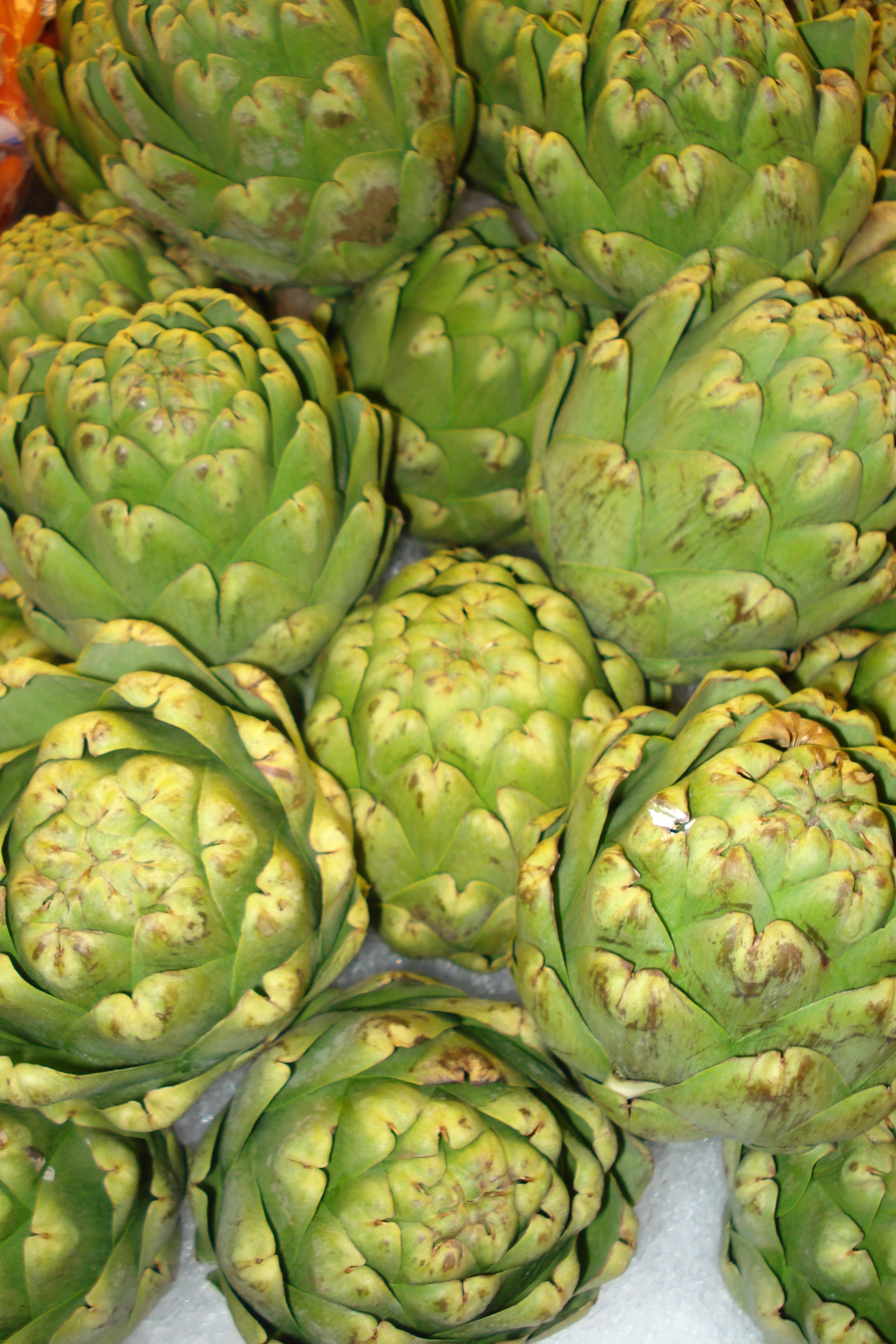
  • Artichoke recipe,or Risotto with Artichokes globe (french), cooked 1 medium
  • Asparagus, cooked 1/2 cup
  • Beans: Green, cooked 1/2 cup
  • Avocado, 1/4 cup
  • Cauliflower  cooked 1/2 cup
  • Chard cooked 1/2 cup
  • Corn cooked 1/2 cup
  • Eggplant cooked 1/2 cup
  • Legumes cooked 1/2 cup
  • Mushrooms cooked 1/2 cup
  • Parsnips cooked 1/2 cup
  • Peas, green cooked 1/2 cup
  • Plantain  1 medium
  • Potato: Baked or boiled, with or w/o skin 1 medium
  • Pumpkin, cooked 1/2 cup
  • Rutabaga, cooked 1/2 cup
  • Spinach, cooked 1/2 cup
  • Squash, winter, cooked, mashed 1/2 cup
  • Sweet-potato: Baked 1 medium or Boiled 1 medium
  • Tomatoes: Raw 1 med., Stewed 1/2 c., Tomato juice, canned 3/4 c. 
  • Zucchini: saute` 1/2 cup

Red Meat, Pork and Poultry 3 ounces should be consumed in reduced amounts. If individual has  high Triglycerides Pork may be eliminated from the diet completely.

Laura’s Meat is a nice lean meat that will be beneficial to reducing LDL while obtaining protein. Purchase the 92% lean red meat.

  • Meat and Poultry Beef: lean only once day for a weight of 3 ounces
  • Ground Meat; extra lean, lean, or regular; baked or broiled 1 patty
  • Pot roast, braised, lean only 3 ounces
  • Roast, rib, roasted, lean only 3 ounces
  • Short-ribs, braised, lean only 3 ounces
  • Steak, lean only: Baked or broiled 3 ounces + Braised 3 ounces
  • Stew meat, simmered, lean only 3 ounces
  • Chicken, without skin: Breast, broiled or roasted 1/2 breast
  • Chicken Leg (thigh and drumstick), broiled or roasted 1 leg
  • Cornish hen, roasted, without skin 1/2 hen
  • Ham, roasted, lean only: Fresh, Smoked or cured 3 ounces
  • Lamb, lean only: Chop, shoulder; baked, braised, or broiled 1 chop Lamb Roast, leg or shoulder, roasted 3 ounces
  • Pork: Chop, baked or broiled, lean only 1 chop
  • Pork Cutlet, baked or broiled, lean only 1 cutlet
  • Pork Roast, roasted, lean only: Loin 3 ounces
  • Pork Shoulder 3 ounces
  • Turkey, light or dark meat, roasted, without skin 3 ounces
  • Veal, lean only: Chop, braised 1 chop Cutlet or steak, pan broiled 1 cutlet, Roast, leg, roasted 3 ounces

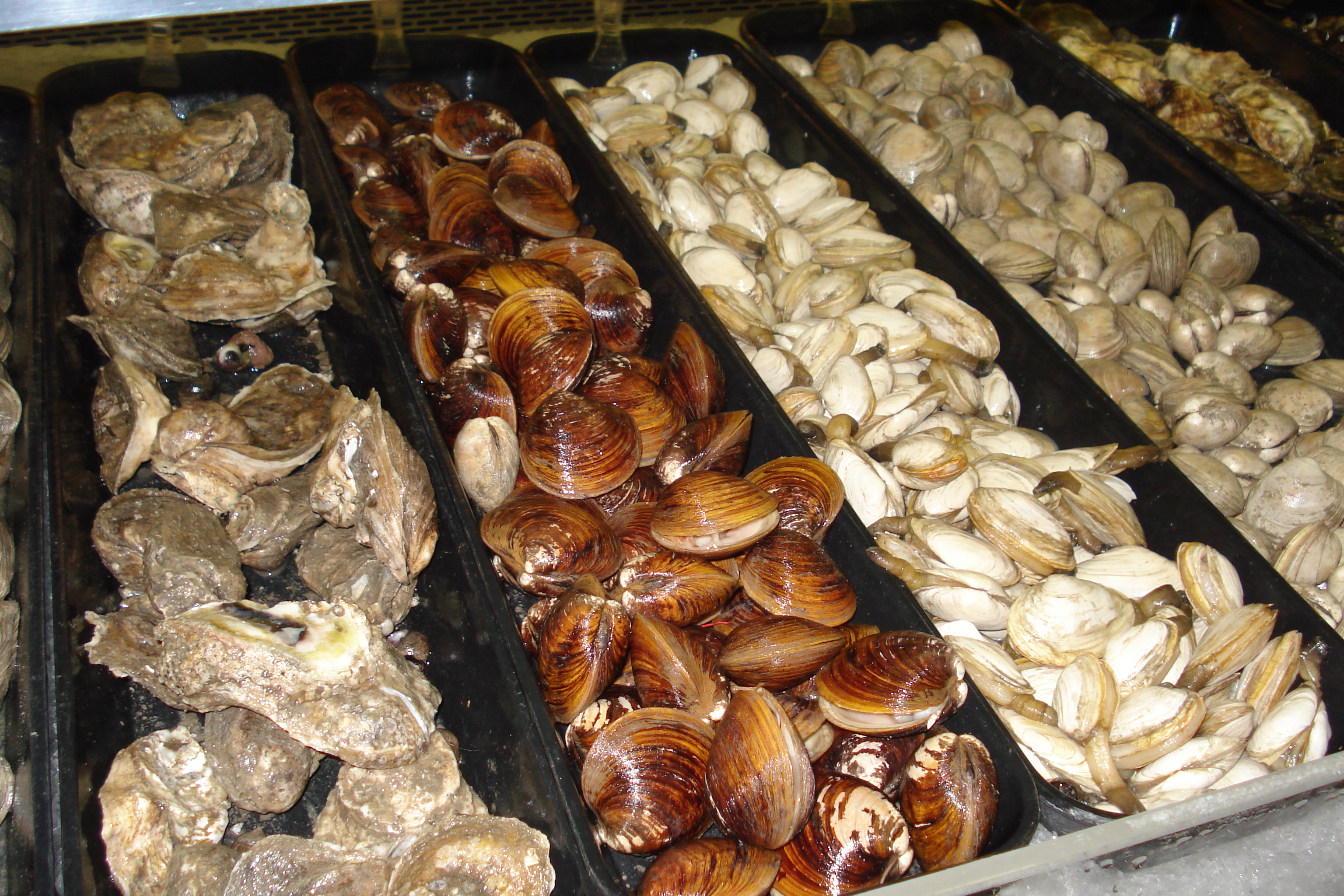
FISH 3 ounces. All Fish should be checked for dietary cholesterol;  most shellfish can be high in cholesterol and limited in consumption. 

  • Carp, catfish, flounder, or mullet; baked, broiled, grilled 3 ounces
  • Haddock, Mackerel, or Porgy; baked, broiled, grilled 3 ounces
  • Clams: Canned, Steamed, poached 3 ounces
  • Cod, Croaker, Pompano, or Trout; baked, broiled, grilled 3 ounces
  • Crabmeat, steamed 3 ounces
  • Lobster, steamed or boiled 3 ounces
  • Mussels, steamed, boiled, or poached 3 ounces
  • Ocean Perch, Pike; baked, broiled, grilled 3 ounces
  • Oysters: Canned, undrained 3 ounces
  • Sea Bass, or Whiting; baked, boiled, grilled 3 ounces
  • Salmon: Baked, broiledgilled, smoked 3 ounces
  • Scallops: Baked, broiled, grilled, steamed 3 ounces
  • Swordfish steak, baked, broiled, grilled 3 ounces
  • Tuna, canned, baked, seared, grilled 3 ounces

Legumes (Meat Alternate) 1 cup cooked is loaded with fiber and protein which will assist in eliminating LDL cholesterol.

  • Dry Beans, Peas, and Lentils Beans, cooked: Bayo, black, brown, or red kidney 1/2 c
  • Calico, chickpeas (garbanzo beans), mung, or pinto 1/2 cup
  • Fava, Lima, soybeans, or white 1/2 cup
  • Lentils, cooked 1/2 cup
  • Peas, split, green or yellow, cooked 1/2 cup
  • Soy milk 1 cup

MILK, CHEESE, AND YOGURT should be monitored carefully, or eliminated from the diet while reducing Triglyceride levels. 

  • Parmesean Cheese 1 oz
  • Milk 1% or skim
  • Chocolate skim milk 1 cup
  • Lowfat / non fat cheese 1 oz
  • Milk-based fruit drinks 1 c
  • Yogurt: Flavored, made with lowfat milk 6 ounces
  • Frozen Yogurt 6 ounces,
  • Frozen Fruit Yogurt made with lowfat or nonfat milk 6 ounces