List of Cholesterol and Triglyceride Reducing Foods

Must Read: Triglycerides, How They Are Influenced”  and Calculate Cholesterol, Choose TLC Menu Plan”  both articles provide a better over view of how to confront cholesterol and achieve reduced total cholesterol.

Choose your foods wisely to improve your daily nutritional intake, and cleanse your body, optimizing it’s overall function in keeping you healthy. Highlighted words will take you to healthy recipes.

Various foods, beverages and spices are known for reducing, or interfering with bad cholesterol (LDL) and carrying it out of the body.

  •  Fruits and Vegetables (totaling 9 per day)
  • Teas 2-4 cups a day
  • Extra Virgin Olive Oil 2 -3 Tablespoons
  • Cinnamon:  1-4g (1/3 tsp – 1 1/2 tsp a day)
  • Ginger (250 mcg/day capsule form)
  • Honey 3 1/2 tablespoons / day

Maybe applied to any Meal Plan of choice.   Before doing your grocery shopping choose five foods from each catagory to buy and put in your refrigerator…………………

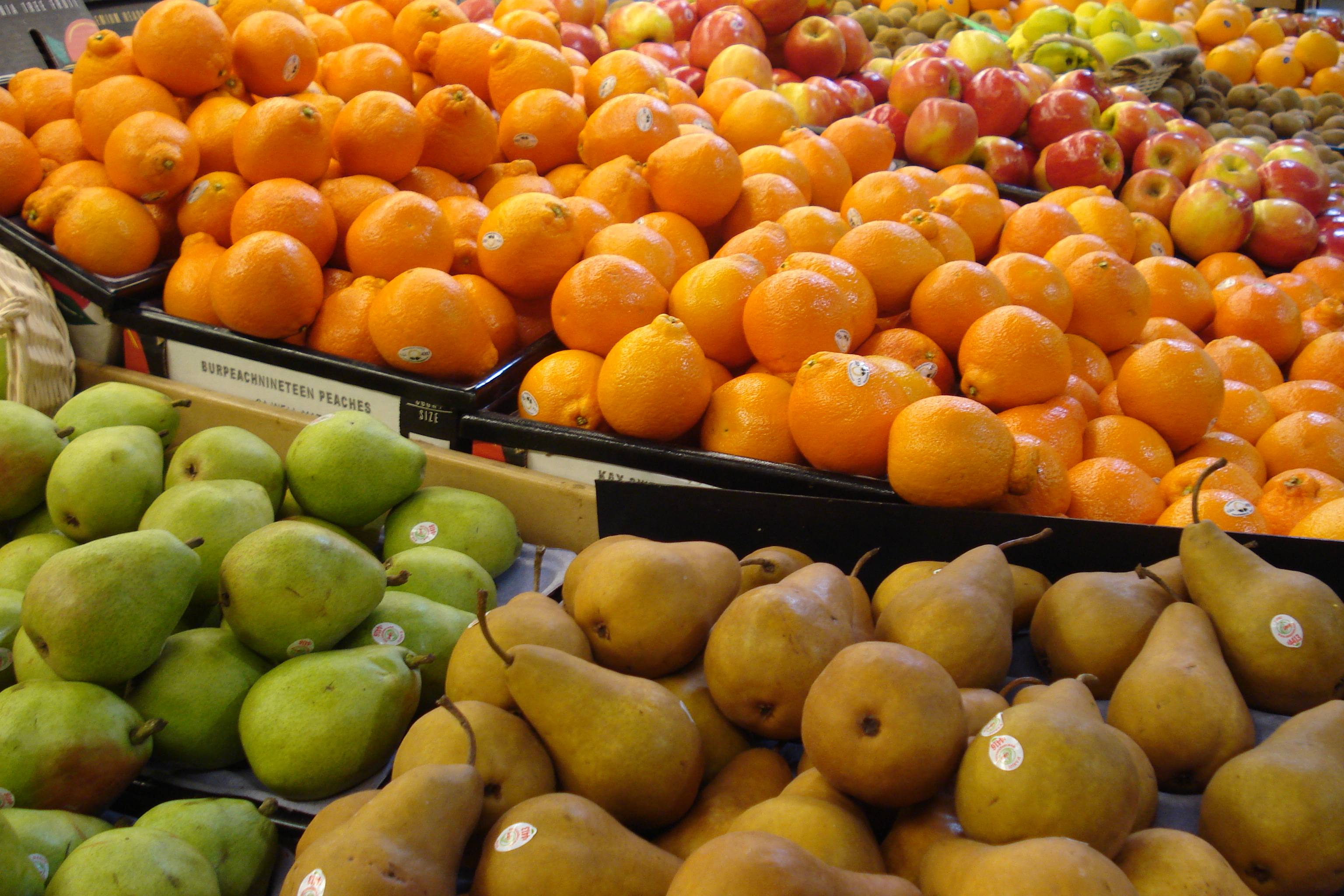
FRUITS choose 4 for daily consumption.
  • Apples, 1/2 cup
  • Apricots: Dried, cooked, unsweetened 1/2 cup
  • Banana, raw 1 medium
  • Cantaloupe, raw About 1/2 cup diced
  • Grapefruit juice 3/4 cup. If taking statins avoid grapefruit.
  •  Honeydew, Cantaloupe & Watermelon 3/4 cup
  • Nectarine, raw 1 medium
  • Orange juice 6 ounces 
  • Peaches: Dried, Cooked, Unsweetened 1/2 cup
  • Pears: Dried, uncooked 1/2 cup
  • Pomegranate,  1 medium
  • Prunes, dried, cooked, unsweetened 1/2 cup
  • Prune juice, unsweetened 1/2 cup
  • Raisins 1/4 cup
  • VEGETABLES choose 5 for daily consumption. Click on for recipe.
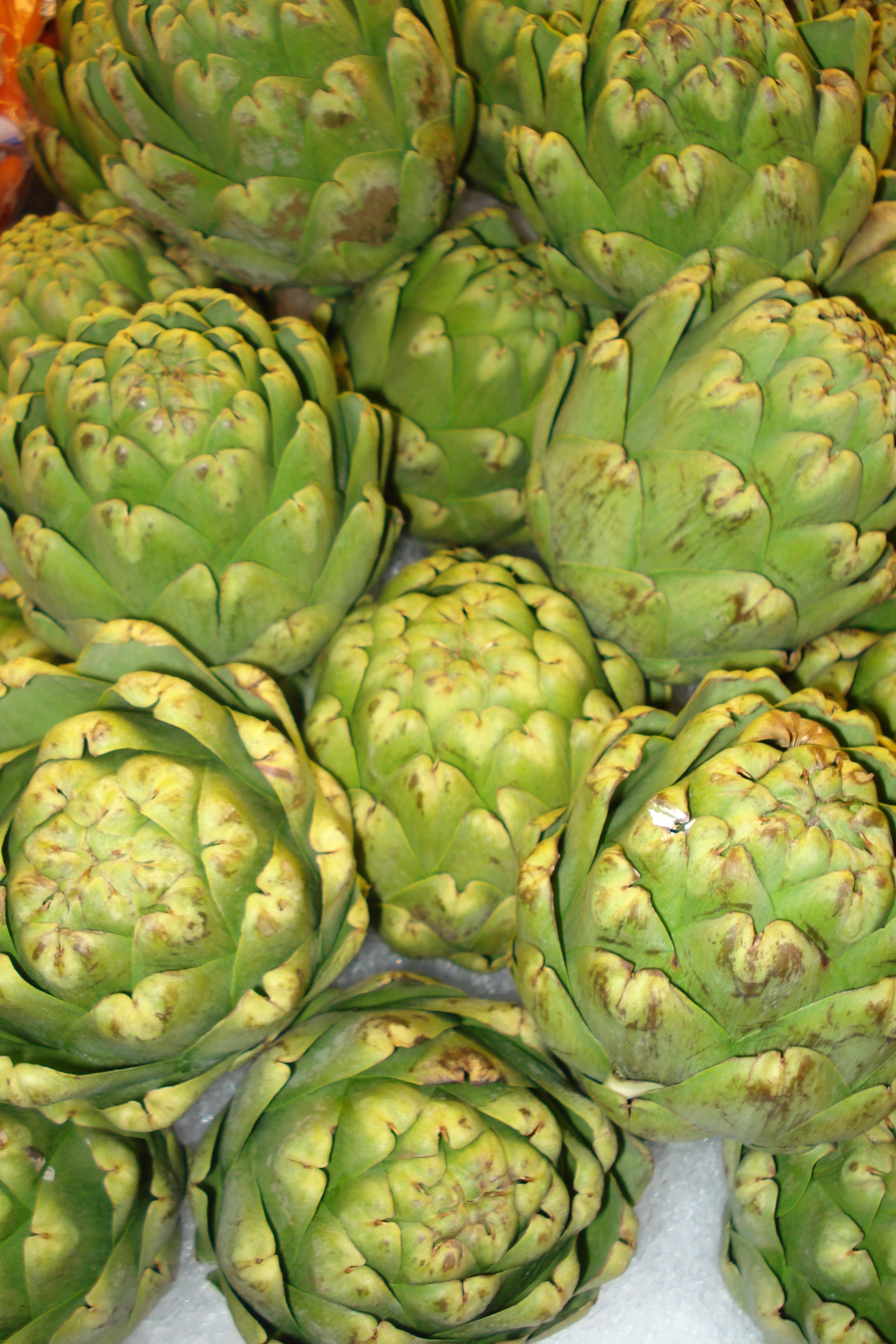
  • Artichoke recipe,or Risotto with Artichokes globe (french), cooked 1 medium
  • Asparagus, cooked 1/2 cup
  • Beans: Green, cooked 1/2 cup
  • Avocado, 1/4 cup
  • Cauliflower  cooked 1/2 cup
  • Chard cooked 1/2 cup
  • Corn cooked 1/2 cup
  • Eggplant cooked 1/2 cup
  • Legumes cooked 1/2 cup
  • Mushrooms cooked 1/2 cup
  • Parsnips cooked 1/2 cup
  • Peas, green cooked 1/2 cup
  • Plantain  1 medium
  • Potato: Baked or boiled, with or w/o skin 1 medium
  • Pumpkin, cooked 1/2 cup
  • Rutabaga, cooked 1/2 cup
  • Spinach, cooked 1/2 cup
  • Squash, winter, cooked, mashed 1/2 cup
  • Sweet-potato: Baked 1 medium or Boiled 1 medium
  • Tomatoes: Raw 1 med., Stewed 1/2 c., Tomato juice, canned 3/4 c. 
  • Zucchini: saute` 1/2 cup

Red Meat, Pork and Poultry 3 ounces should be consumed in reduced amounts. If individual has  high Triglycerides Pork may be eliminated from the diet completely.

Laura’s Meat is a nice lean meat that will be beneficial to reducing LDL while obtaining protein. Purchase the 92% lean red meat.

  • Meat and Poultry Beef: lean only once day for a weight of 3 ounces
  • Ground Meat; extra lean, lean, or regular; baked or broiled 1 patty
  • Pot roast, braised, lean only 3 ounces
  • Roast, rib, roasted, lean only 3 ounces
  • Short-ribs, braised, lean only 3 ounces
  • Steak, lean only: Baked or broiled 3 ounces + Braised 3 ounces
  • Stew meat, simmered, lean only 3 ounces
  • Chicken, without skin: Breast, broiled or roasted 1/2 breast
  • Chicken Leg (thigh and drumstick), broiled or roasted 1 leg
  • Cornish hen, roasted, without skin 1/2 hen
  • Ham, roasted, lean only: Fresh, Smoked or cured 3 ounces
  • Lamb, lean only: Chop, shoulder; baked, braised, or broiled 1 chop Lamb Roast, leg or shoulder, roasted 3 ounces
  • Pork: Chop, baked or broiled, lean only 1 chop
  • Pork Cutlet, baked or broiled, lean only 1 cutlet
  • Pork Roast, roasted, lean only: Loin 3 ounces
  • Pork Shoulder 3 ounces
  • Turkey, light or dark meat, roasted, without skin 3 ounces
  • Veal, lean only: Chop, braised 1 chop Cutlet or steak, pan broiled 1 cutlet, Roast, leg, roasted 3 ounces

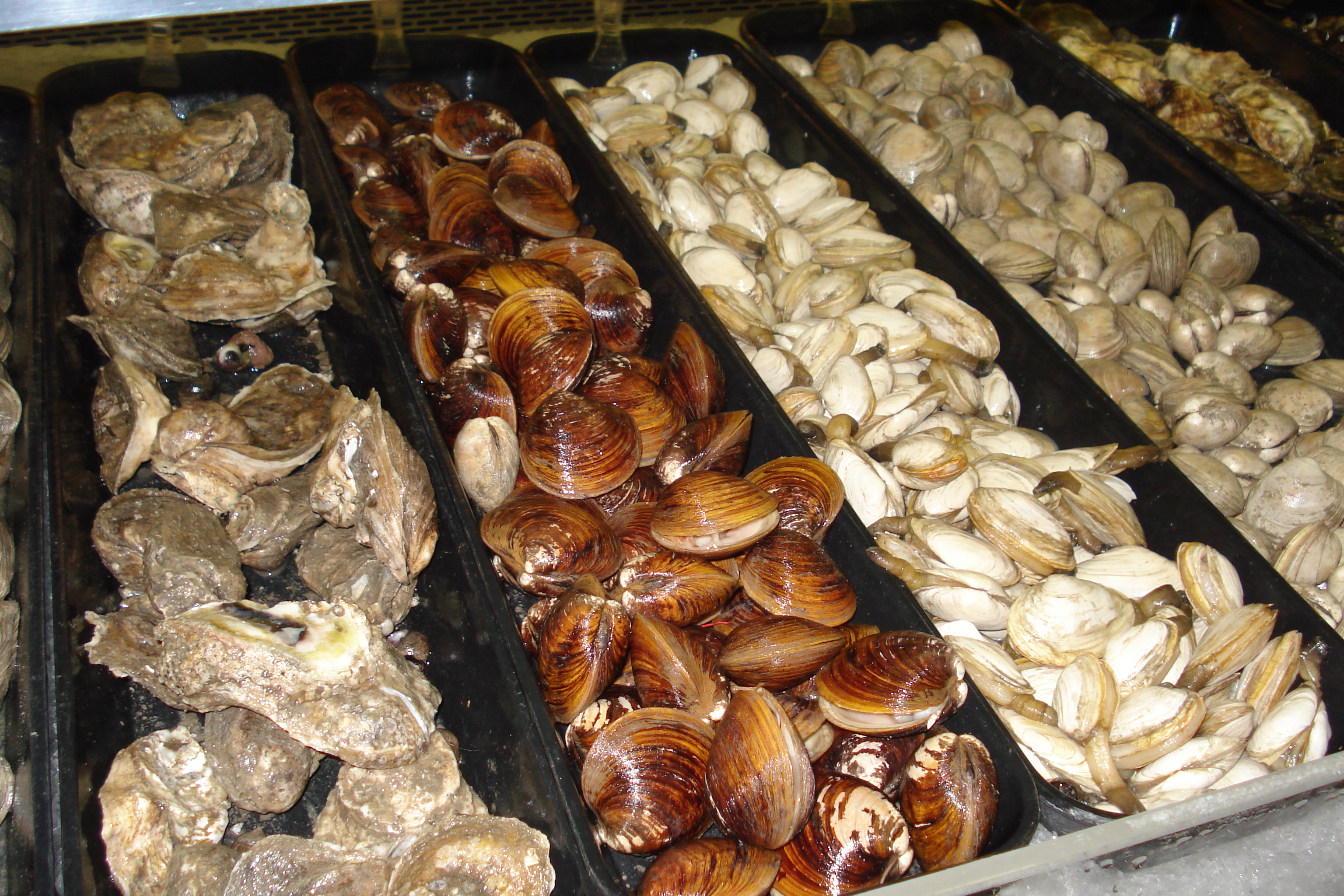
FISH 3 ounces. All Fish should be checked for dietary cholesterol;  most shellfish can be high in cholesterol and limited in consumption. 
  • Carp, catfish, flounder, or mullet; baked, broiled, grilled 3 ounces
  • Haddock, Mackerel, or Porgy; baked, broiled, grilled 3 ounces
  • Clams: Canned, Steamed, poached 3 ounces
  • Cod, Croaker, Pompano, or Trout; baked, broiled, grilled 3 ounces
  • Crabmeat, steamed 3 ounces
  • Lobster, steamed or boiled 3 ounces
  • Mussels, steamed, boiled, or poached 3 ounces
  • Ocean Perch, Pike; baked, broiled, grilled 3 ounces
  • Oysters: Canned, undrained 3 ounces
  • Sea Bass, or Whiting; baked, boiled, grilled 3 ounces
  • Salmon: Baked, broiledgilled, smoked 3 ounces
  • Scallops: Baked, broiled, grilled, steamed 3 ounces
  • Swordfish steak, baked, broiled, grilled 3 ounces
  • Tuna, canned, baked, seared, grilled 3 ounces
Legumes (Meat Alternate) 1 cup cooked is loaded with fiber and protein which will assist in eliminating LDL cholesterol.

  • Dry Beans, Peas, and Lentils Beans, cooked: Bayo, black, brown, or red kidney 1/2 c
  • Calico, chickpeas (garbanzo beans), mung, or pinto 1/2 cup
  • Fava, Lima, soybeans, or white 1/2 cup
  • Lentils, cooked 1/2 cup
  • Peas, split, green or yellow, cooked 1/2 cup
  • Soy milk 1 cup

MILK, CHEESE, AND YOGURT should be monitored carefully, or eliminated from the diet while reducing Triglyceride levels. 

  • Parmesean Cheese 1 oz
  • Milk 1% or skim
  • Chocolate skim milk 1 cup
  • Lowfat / non fat cheese 1 oz
  • Milk-based fruit drinks 1 c
  • Yogurt: Flavored, made with lowfat milk 6 ounces
  • Frozen Yogurt 6 ounces,
  • Frozen Fruit Yogurt made with lowfat or nonfat milk 6 ounces

Diverticulitis and Diverticulosis Diet Tips

 
Diverticula are small pouches in the wall of the digestive tract. They occur when the inner layer of the digestive tract bulges through weak spots in the outer layer. (This is similar to what happens when an inner tube bulges through a tire.) People who have these pouches are said to have diverticulosis. Sometimes one or more of these pouches becomes inflamed or infected, a condition called diverticulitis. Some people with diverticulosis become aware of the condition only when diverticulitis occurs.
Diverticulosis is a very common condition in the United States.
Diverticulosis is more common in developed or industrialized countries, such as the United States, England, and Australia, where the typical diet is low in fiber and high in highly processed carbohydrates, diverticulosis is common. Diverticulosis first appeared in the United States in about 1900. This was the same time that processed foods were first introduced into the US diet.
Diverticulosis is much less common in countries of Asia and Africa, where the typical diet is high in fiber. (For more information on diverticulitis, check with the Mayo Clinic at http://www.mayoclinic.com/health/diverticulitis-diet/HQ00548)

Most people recover from diverticulitis without problems if they receive appropriate treatment. Diverticulosis and diverticulitis can be prevented by changes in lifestyle and habits.

Diverticulosis is thought to be caused by increased pressure on the intestinal wall from inside the intestine. As the body ages, the outer layer of the intestinal wall thickens. This causes the open space inside the intestine to narrow. Stool (feces) moves more slowly through the colon, increasing the pressure. Hard stools, such as those produced by a diet low in fiber or slower stool “transit time” through the colon, can further increase pressure. Frequent, repeated straining during bowel movements also increases pressure and contributes to formation of diverticula.
Diverticulosis in developed countries is blamed largely on the typical diet, which is low in fiber. For more information on Diverticulosis.

Diet Plan for Diverticulitis

  1. Grains
    enriched refined white bread, buns, bagels, english muffins
    plain cereals e.g. Cheerios, Cornflakes, Cream of Wheat, Rice Krispies, Special K
    arrowroot cookies, tea biscuits, soda crackers, plain melba toast
    white rice, refined pasta and noodles
    avoid whole grains as the seeds can get add to the inflammation within the intestine.
  2. Fruits:
    fruit juices except prune juice
    applesauce, apricots, banana (1/2), cantaloupe, canned fruit cocktail, grapes, honeydew melon, peaches, watermelon
    avoid raw and dried fruits, raisins and berries.
  3. Vegetables:
    Vegetable Juices
    Potatoes no skin
    beets, green/yellow beans, carrots, celery, cucumber, eggplant, lettuce, mushrooms, green/red peppers, potatoes (peeled), squash, zucchini
    avoid vegetables from the cruciferous family such as broccoli, cauliflower, brussels sprouts, cabbage, kale, Swiss chard etc
  4. Meat and Protein Choice:
    Well done, tender meat (lean), fish (wild caught) high in Omega 3 which will reduce inflammation within intestine. eggs
    Avoid beans & lentils
    Avoid all nuts and seeds, as well as foods that may contain seeds (such as yogurt)
  5. Dairy
    Two servings per day skim or 1% milk
  6. FATS
    Avoid saturated fats such as butter, margarine, Trans Fats, mealt high in fat content.
    MCT oil is most gentle on the intestine. You can also try plant oils. Extra Virgin Olive Oil, canola, avocado and peanut oils.

By: K. Crocker

Weightloss Tips

Curving Your Appetite when hunger hits and you don’t want to break your momentum and cave into temptation; focus on ways to keep your hands and mind busy:
  • Do your favorite hobby.
    Participate in sports.
    House Cleaning
    Play with your children
    Drink milk in place of water and have your water at meal times. Adults need an 8 oz glass of milk 2-3 times a day. It has more satiety than water and may hold you over until you next snack or meal.
    Exercise. Brisk Walk, Jogging, Yoga, Swimming.
    Talk with your support system: family or friends.
    Plan your daily meals for the next day.
    Eat your favorite fruit or vegetable. (Excellent fast food or on the go nutrition!)
    Review your goal chart and applaud yourself for the great job you’ve done.
    Eat a SMALL portion of your temptation.

What are Healthy Fats?
Healthy Fats and Oils(nothing solid at room temperature.)
EVOO (extra vergin olive oil),
Smart Balance omega 3-6, Canola, Avocado, Peanut oilfor
salad dressing: olive oil 1/4 cupbalsalmic vinegar 2 tbsp1/2 tsp oregano1 minced garlic clovepepper flakes

What about Salt?
Substitute Salt….Avoid salt, or reduce sodium. Instead spruce up meals with herbs and salt substitutes.
Watch out for Meats and Meat Substitutes. Include them in your daily sodium count. Sodium or saline water is often injected into meats for etended shelf life and meat preservation.
Prepared frozen foods.
Canned foods.

Other Good source of Protein
Eat Fish!! Fresh caught fish is higher in omega 3-6 fatty acids, because the fish can eat algae necessary for making the omega’s. This contributes to higher HDL intake. (also found in healthy oils and various nuts.)
Tofu
Nuts. Almonds and walnuts have the highest fiber at 6 grams /1 oz.

Fiber Intake (fat and sodium reducers!!!)
Fruits high in fiber are a great way to promote weightloss.
Avocado
Papaya
Guava
Cantaloupe
Orange
Apricots (dried, unsulfured)
Pear with skin
Apple with skin
Mango
Strawberries (organic)
KiwiGrapefruit (pink or red)
Tomato

Vegetables high in fiber are excellent calorie burners.
Baked Potatoes
Corn
Peas
Broccoli
Carrots
Brussel Sprouts
All Legumes
Portabella Mushroom
Breads and Cereals High in Fiber
Aunt Millies multi-grain breads
Bran
Flaxseed

About Nuts
Even healthy fats need to be monitored in the right amounts.
Enjoy them in small amounts, 1 oz per day 4 x’s/ wk. They also contain great fiber and are high in Mono/Poly unsaturated fats. Hickory, cashews, black walnuts, filbrets, macadamia, peanuts, pecan, pine nuts, pistachio.

DRINK Lemon Water.  It is a natural laxative used to rid your body of toxins.


http://www.gicare.com/pated/edtgs01.htm

By: Kimberly Crocker