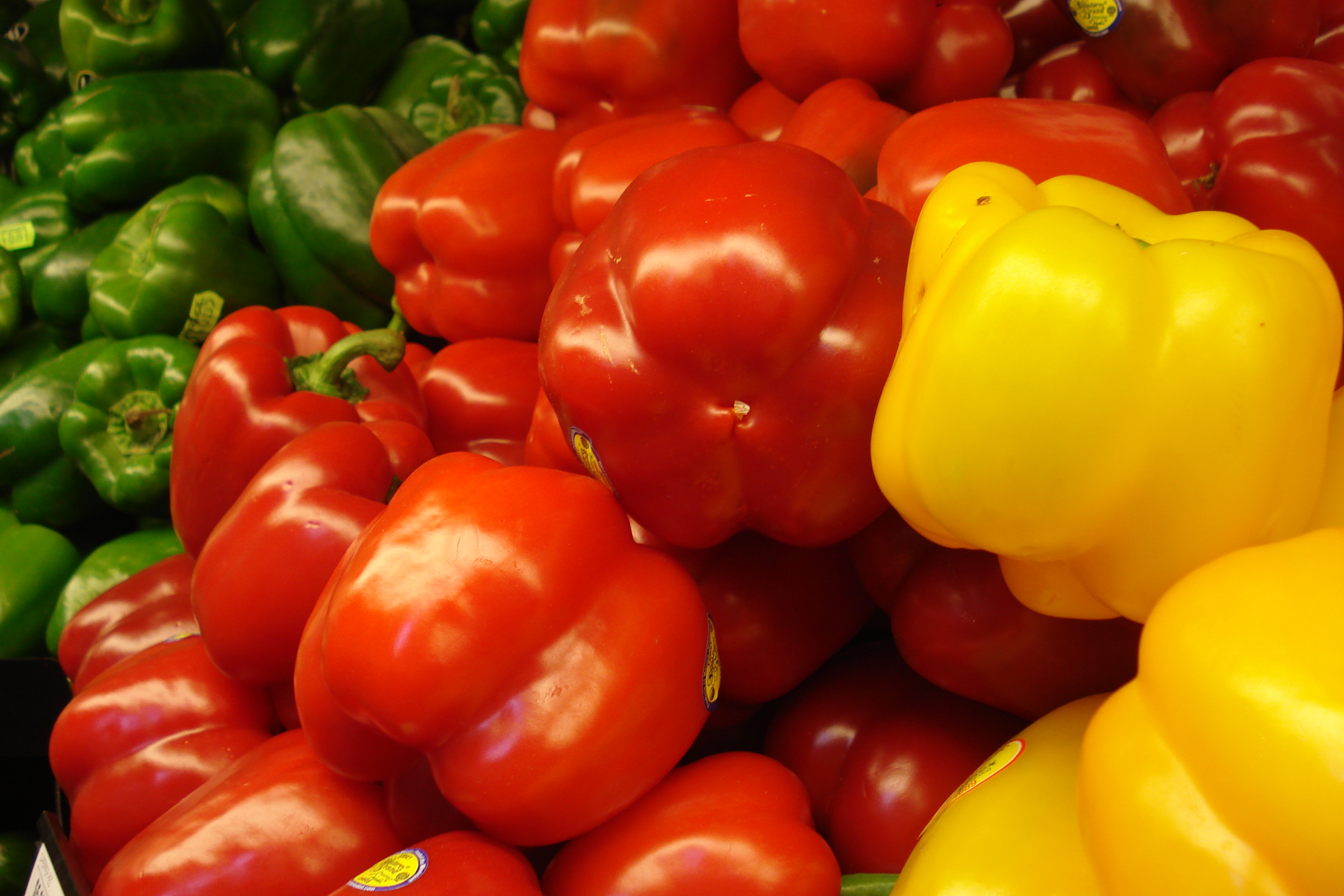
Does Your Diet Lower Inflammation?

How can foods impact inflammation? Discover which foods work best for YOU!

Inflammation, (while part of a healthy immune response), is increasingly thought to play a leading role in encouraging a number of major killers, such as:   cancer, diabetes, heart disease, stroke, and Alzheimer’s. Dangerous chronic inflammation occurs when the immune system stays turned on and starts attacking healthy cells and tissues, or causing cancer genetic mutations, or the bursting of artery plaque.

What you eat, though, helps determine how much inflammation you produce. It is critical to realize the importance that Omega-3’s play in keeping at bay certain disease or in healing the body.  Doctor’s will also promote a diet rich in Omega-3’s after surgery or to reduce swelling after the body has undergone any type of trauma. Certain foods are inflammation-fighting and should be consumed in abundance (mainly plant or seafood) while other foods can promote and prolong inflammation (animal fats and white flour). Some recommendations:

GO FOR …

Omega-3 fats. These are among the BEST and most potent anti-inflammatory foods. Best sources: fatty fish like Salmon, Sardine, Anchovies and Tuna; Dark Leafy Greens: Broccoli, Kale, Chard, Spinach, Seaweed. Walnuts and other nuts; Flaxseed, Pumpkin Seeds; and Extra Virgin Olive Oil. Herbs and Spices: Basil, Oregano, Cloves, Marjoram, Tarrogan, SPearmint, Capers, Prepared Yellow Mustard, Peppermint, Thyme, Saffron, Bay Leaf, Chili Powder, Turmeric, Rosemary, Curry.

Colorful produce. Red Onions, Tomatoes, Prunes, Red Grapes, ALL Berries, Pomegranates, and Oranges all are packed with  flavonoids that have anti-inflammatory properties.

Herbs and spices. Ginger and Turmeric, Cinnamon either dried or fresh, are among the most healthful spices. For herbs, sprinkle on some freshly chopped Sage, Rosemary and minced Garlic.

Peanuts, Chocolate, Red wine. Red wine has anti-inflammatory chemicals like resveratrol. Dark chocolate,  at 70% or higher cacao which protects against inflammation. Great News for the research suggests that hot cocoa will also benefit the body’s health. Eat the peanuts right out of the shell in order to maximize reseveratrol intake.

REDUCE  …

Animal fats. Foods high in whole milk dairy are:  cheese, butter, margarine, ice cream.  Additionally:  egg yolks,  red meat, poultry skin,   All which contain high amounts of arachidonic acid, a molecule used by the body to create inflammation.

Omega-6 fats. While Omega 3 fats make a healthy impact on your body, it’s been found that Omega 6’s  trigger the body to produce pro-inflammatory chemicals. Oils rich in omega-6 fats include corn, safflower, and vegetable oils; mayonnaise; and many salad dressings.

Trans fats. Thanks to much research and the FDA getting behind the 8-Ball, trans-fats are all but gone from packaged foods as research shows they drive inflammation. Now they’re on nutrition labels, so they’re easier to avoid.

Rancid fats. CRITICAL to anyone who leaves the kitchen “to check on something” only to return and find that they have heated oil to the point that it’s smoking.  Besides the fact that smoking oil changes the flavor of a dish, it oxidizes fats and turns them into inflammation boosters. Also, avoid old peanut butter and any old chocolate stashed away for years in your pantry.

White starches. Flour, sugar, white rice, and instant mashed potatoes, for example, all cause quick spikes in blood sugar levels, causing the production of advanced glycation end products that spur inflammation.

Excess alcohol. Avoid drinking more than one or two alcoholic beverages a day; too much alcohol can cause changes in the intestinal lining, allowing bacteria to pass through into the bloodstream, triggering inflammation.

How to Wash Food to Prevent Lethal Outcome

While restaurants are facing criticism for how they handle lemons in drinks, I would dare say that food borne illness goes further than that.  Concerns should stem to how ALL UTENSILS and FOOD (including, fruit and vegetables) are being handled within every area of the restaurant.   It is not up to the customer to put the multiple controls put into place, but the Managers and employees themselves to ensure that the consumer does not return home with nausea, vomiting, diarrhea or death.

Simple washing of food can be done with items that you have in your home right now, without purchasing a special “produce washing” product.  Cleansing of the fresh produce should not be limited to water, but instead can be done with the following. The best practice to put into place within your homes so that you keep yourself and family healthy and protected are:

Fruits and Vegetables with skins

  1. Use the same amount of soap that you would use for hand washing.  Completely wash the skin of fruit or vegetable with soap and water.  RInse thoroughly.
  2. In a large bowl, place desired produce to be cleaned, pour 1/2- 1 cup white vinegar over items into bowl.  turn food in vinegar to allow for thorough cleansing, about 10-20 seconds. Rinse with water.

Green Leaf Vegetables and Berries

  1. 1 Tbsp baking soda to 2-3 cups of water.  Stir. Allow shredded or whole lettuce, or whole berries to stay in solution for about 20-30 seconds. Rinse thoroughly.

Utensils should never be dipped in water to for cleaning.  ALL UTENSILS MUST ALWAYS be washed with hot soapy water to remove bacteria:

  1. Between cutting meats, fish and any other food.
  2. Before passing from one food to another food that contain nuts: Peanut Butter, Pesto, Ice Cream Cakes.  Cross contamination is lethal to those with food allergies and can result in death of individual.

This article is written to enforce the importance of HEALTHY EATING within homes and restaurants. Furthermore, individuals are having severe allergic reactions within restaurants and homes, due to improper cleansing of utensils between foods, especially those containing nuts and foods without nuts.

By: Kim Crocker

Poolside Silohouette? Flatten your Tummy, Choose your Foods

It’s that time of year which inspires us to get our bodies healthy for three months, so that we can sit poolside and look good.  Wouldn’t it be great if we could take our lessons learned from how to get a flat tummy now and maintain it over a life long period?  I’m not talking about being 104 pounds, but achieving our own healthy weight, so that we live a lifetime of being strong and focused, mentally intact and driven! Many respectable weightloss programs such as USANA’s Macro Optimizer, Reset also provides nutritional supplements so that you can achieve your goal effectively.

Many meals come from awesome summer foods that help to curve our appetite so that we are not tempted to indulge in ice cream and frozen Margarita’s.  The various delicious fruits and vegetables (veggies burn the most calories) will bring new flavors to your palette!  By eating 4-5 fruits and 5-6 vegetables a day, your body will have to make an effort to breakdown the food and that energy will contribute to weightloss!  Treat yourself to something new in your salad by shredding fresh herbs into your salad such as: cilantro, arugula, mint, parsley, 1 Small clove diced garlic, or basil which will become the driving force to try new summer recipes. 

A trick that adds diversity to your salads:  Choose 2 or more vegetables and one fruit dice them to bite size. Add 1/8 c. thinly sliced red onion, cheese of choice, herb of choice, 1 ounce of nuts, sprinkled flaxseed. Drizzle with vinaigrette dressing, or olive oil and balsamic vinegar. (salt and pepper to taste)
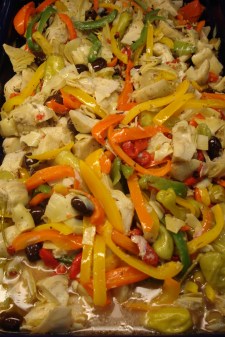
Fresh fruit drink.  Choose 2-3 fruits, wash and peel.  4 ounces of orange, pomegranate, cranberry or pear juice.  Place all in a mixer and liquefy.  May drink immediately, served chilled or frozen.

Please read the following clip from “Eight Summer Ultimate flat Belly foods” by David Zinczenko and Matt Goulding from Men’s Health who recently had an article posted on Yahoo

“Find a way to work these potent super-foods into your diet every day, and you’ll curb cravings before they hit, crowding out much of the junk we turn to when hunger calls. The result? Well, it could mean saving 600 calories or more a day. Couple that with 30 minutes of moderate exercise, and you can shed as many as 12 pounds in six weeks!  Which is in standing with the rule that states, “1-2 pounds a  week to properly shrink lipid cells” Read more on Calorie Shifting Fad and Facts and USANA Nutritional Supplements and Products  

1. Spinach
It may be green and leafy, but spinach is no nutritional wallflower. This noted muscle-builder is a rich source of plant-based omega-3s and folate, which help reduce the risk of heart disease, stroke, and osteoporosis. Bonus: Folate also increases blood flow to the nether regions, helping to protect you against age-related sexual issues. Aim for 1 cup fresh spinach or a half cup cooked per day.

SUBSTITUTES: Kale, bok choy, romaine lettuce

FIT IT IN: Make your salads with baby spinach; add spinach to scrambled eggs; drape it over pizza; mix it with marinara sauce and then microwave for an instant dip.

2. Yogurt
Calcium is a major contributor to effective weight loss.  Various cultures claim yogurt as their own creation, but the 2,000-year-old food’s health benefits are not disputed: Fermentation spawns hundreds of millions of reinforcements for the battalions of beneficial bacteria in your body. That helps boost your immune system, provides protection against cancer, and even does duty as a cavity-fighter. Not all yogurts are created equal, though, so make sure the label says “live and active cultures.” And watch out for high-fructose corn syrup; stealth sugars are worth avoiding in yogurt and everywhere else.

SUBSTITUTES: Kefir, cottage cheese, ricotta

FIT IT IN: Yogurt topped with blueberries, walnuts, flaxseed, and honey is the ultimate breakfast — or dessert. Plain low-fat yogurt is also a perfect base for creamy salad dressings and dips.

3. Tomatoes
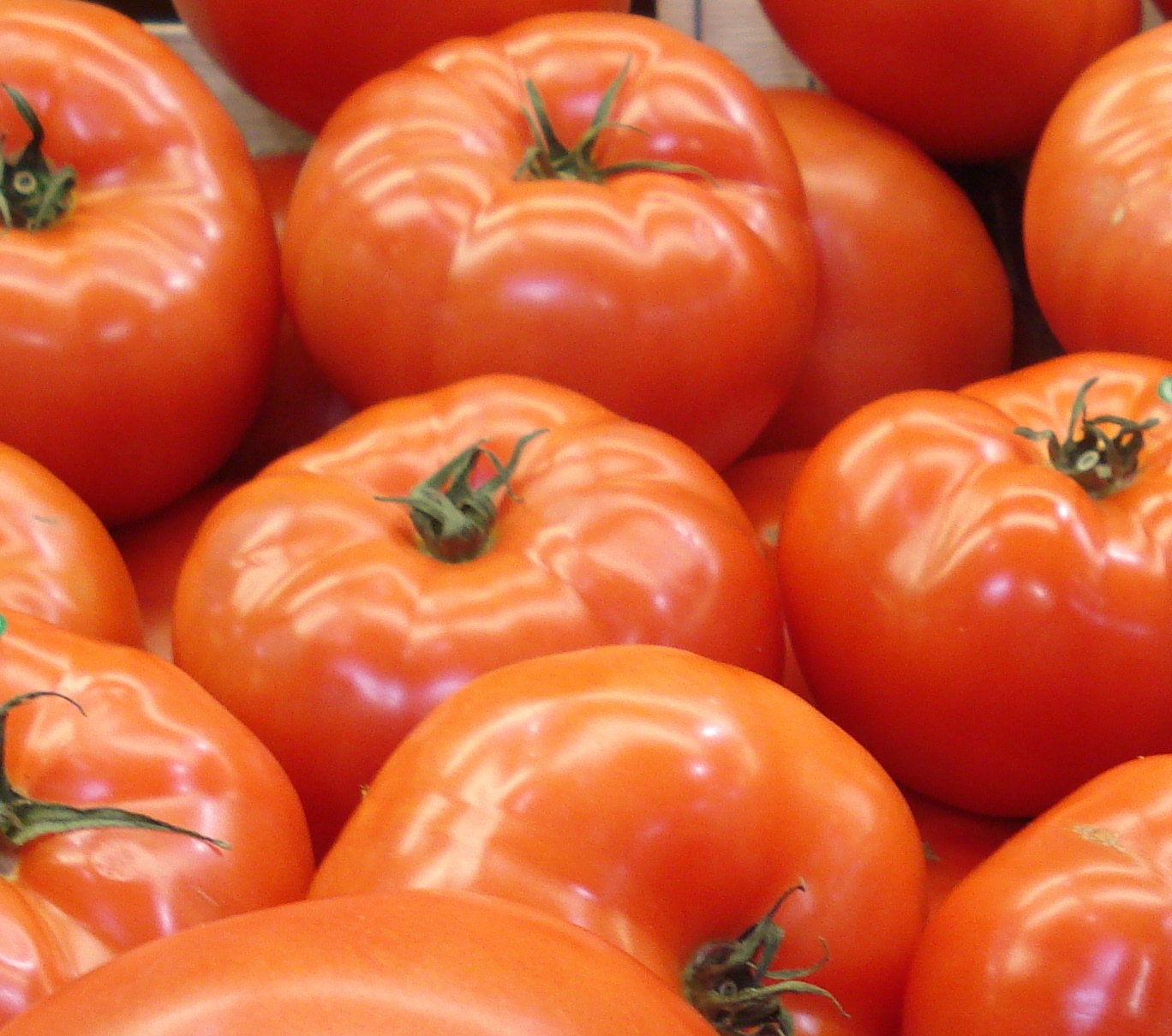
There are two things you need to know about tomatoes: Red are the best, because they’re packed with more of the antioxidant lycopene, and processed tomatoes are just as potent as fresh ones, because it’s easier for the body to absorb the lycopene. Studies show that a diet rich in lycopene can decrease your risk of bladder, lung, prostate, breast, skin, and stomach cancers, as well as reduce the risk of coronary artery disease. Aim for 22 mg of lycopene a day, which is about eight red cherry tomatoes or a glass of tomato juice. Plant some now for a health harvest in July and August. This Men’s Health video will show you how.

SUBSTITUTES: Red watermelon, pink grapefruit, Japanese persimmon, papaya, guava

FIT IT IN: Dress sliced heirloom tomatoes with torn basil and olive oil; guzzle low-sodium V8 and gazpacho; roast cherry tomatoes and serve over grilled fish or chicken.

4. Carrots
Most red, yellow, or orange vegetables and fruits are spiked with carotenoids — fat-soluble compounds that are associated with a reduction in a wide range of cancers, as well as a reduced risk and severity of inflammatory conditions such as asthma and rheumatoid arthritis — but none of them is as easy to prepare, or have as low a caloric density, as carrots do. Aim for a half cup a day.

SUBSTITUTES: Sweet potato, pumpkin, butternut squash, yellow bell pepper, mango

FIT IT IN: Snack on baby carrots; grate raw carrots into salad; toss a carrot into a breakfast smoothie with frozen mango and OJ; roast carrot chunks with olive oil, salt and cumin.

5. Blueberries
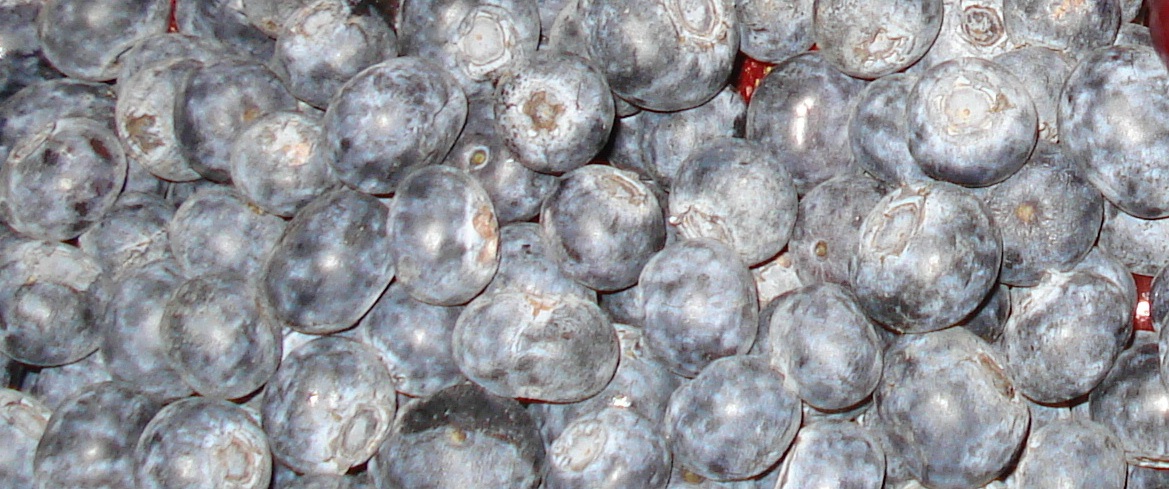
Host to more antioxidants than any other North American fruit, blueberries help prevent cancer, diabetes, and age-related memory changes (hence the nickname “brain berry”). Studies show that blueberries, which are rich in fiber and vitamins A and C, also boost cardiovascular health. Aim for 1 cup fresh blueberries a day, or a half cup frozen or dried.
SUBSTITUTE: Açai, an Amazonian berry, has even more antioxidants than the blueberry. Mix 2 Tbsp. of açai powder into OJ or add 2 Tbsp of açai pulp to cereal, yogurt, or a smoothie.

FIT IT IN: Mix fresh blueberries into plain yogurt; blend with ice, yogurt, banana, and OJ for a 60-second smoothie; toss with baby spinach, red onions, goat cheese, and raspberry vinaigrette for a summer salad.

6. Black Beans
All beans are good for your heart, but none can boost your brain power like black beans. That’s because they’re full of anthocyanins, antioxidant compounds that have been shown to improve brain function. A daily half-cup serving provides 8 grams of protein and 7.5 grams of fiber, and is low in calories and free of saturated fat.

SUBSTITUTES: Peas, lentils, and pinto, kidney, fava, and lima beans

FIT IT IN: Wrap black beans in a breakfast burrito; use both black beans and kidney beans in your chili; puree 1 cup black beans with 2 Tbsp olive oil and roasted garlic for a healthy dip; add favas, limas, or peas to pasta dishes.

7. Walnuts
Richer in heart-healthy omega-3s than salmon, loaded with more anti-inflammatory polyphenols than red wine, and packing half as much muscle-building protein as chicken, the walnut just needs a cape and we could call it a superhero. Other nuts combine only one or two of these features, not all three. A serving of walnuts — about 1 ounce, or seven nuts — is good anytime, but especially as a post-workout recovery snack. Keep a can of Planters Nutrition Heart Healthy Mix in your desk drawer or glove compartment, and use them to lead you away from temptation.

SUBSTITUTES: Almonds, peanuts, pistachios, macadamia nuts, hazelnuts

FIT IT IN: Sprinkle on top of salads; chop and add to pancake batter; mix 1 cup walnuts with a half cup dried blueberries and a quarter cup of dark chocolate chunks.

8. Oats
The original wunderkind of health food, oats garnered the FDA’s first seal of approval. They are packed with soluble fiber, which lowers the risk of heart disease. Yes, oats are loaded with carbs, but the release of those sugars is slowed by the fiber, and because oats also have 10 grams of protein per half-cup serving, they deliver steady muscle-friendly energy.

SUBSTITUTES: Quinoa, flaxseed, amaranth, pearly barley

FIT IT IN: Eat granolas and cereals that have a fiber content of at least 5 grams per serving; sprinkle 2 Tbsp ground flaxseed on cereals, salads, and yogurt; sub quinoa in for brown rice.”

Thank you to David and Matt for allowing Eat Know How to utilize a portion of their article!

By; Kim Crocker

Weightloss! Easy Diet, Keep it Off!

It’s official, Spring and weightloss is putting us on the scale!  The quickest way to lose weight is to consume VEGETABLES, thereby, giving your body the opportunity to work at breaking down the soluble fiber and nutrients, while increasing the body’s metabolism.  

4 servings Fruits,

5-6 servings Vegetables,

2 servings of 3 oz meat, poultry or fish,

2 servings EVOO (Extra Virgin Olive Oil),

4-5 servings your choice:  grains, pasta, rice or bread,

1-2 servings skim or 1% milk

Additional studies published in “The American Journal of Clinical Nutrition” put forth the results of a randomized study that compared a “reduced fat diet (RF)” and a “reduced fat intake and increased fruit and vegetable intake (RF+FV)”.  The study concluded that the greater weightloss after six months was sharply noticed with the combination diet of RF+FV, by 1/3 more total weightloss!  “Reducing dietary energy density, particularly by combining increased fruit and vegetable intakes with decreased fat intake, is an effective strategy for managing body weight while controlling hunger.”  Additionally, they noted that maintenance of the weightloss was also more prevalent, “The 2 strategies for reducing energy density that were tested in this trial were both effective in reducing body weight and maintaining weight loss without prescribing limits for energy or fat intake.”  Other studies, such as the Dash Diet, TLC Diet and Mediterranean Diet concur that combining the RF+FV is the healthiest and most effective way to go. Don’t forget to exercise 20 minutes a day to encourage increased weightloss.

Find your Dietary Meal Plan here:

TRY SOME “NEW TO YOU” FRUITS AND VEGETABLES 

FRUITS

Apricots: Dried, cooked, unsweetened 1/2 cup
Banana, raw 1 medium
Clementines, raw 2 small 
Grapefruit juice: Canned or frozen, unsweetened 3/4 cup
Fresh 3/4 cup Honeydew melon, Cantaloupe
Nectarine, raw 1 medium
Orange juice: 6 ounces
Peaches: Dried, cooked, unsweetened 1/2 cup
Pears: Dried, uncooked 1/2 cup, Pear Juice
Pomegranate, raw 1 medium
Prunes, dried, cooked, unsweetened 1/2 cup
Raspberries, Strawberries, Blackberries, Blueberries, Gogi Berries,
Raisins, Craisins 1/4 cup
Watermelon, raw About 1 3/4 cups diced

Grilled Mango and Pineapple Sticks

VEGETABLES

Artichoke, globe (french), cooked 1 medium
Asparagus, cooked 1/2 cup, Raw 1 cup
Beans: Green, carrot sticks (steamed, add garlic, salt pepper, EVOO) 1/2 cup
Lentils (Lebanese or Jordanian style), cooked 1/2 cup
Cauliflower, cooked 1/2 cup, Raw 1 cup
Kale Chips (chopped, salt, pepper EVOO. 7 min. 400 bake oven) 1/2 cup
Corn, cooked 1/2 cup
Fennel cooked 1/2 cup, Raw 1cup
Grilled Portabella Mushrooms, 1/2 cup
Peas, green, cooked 1/2 cup, also frozen / thawed
Plantain, green or ripe, boiled 1 medium
Potato: Baked or boiled, with or w/o skin 1 medium
Pumpkin, cooked 1/2 cup
Rutabaga, cooked 1/2 cup
Spinach Salad with 4 olives 1/2 cup
Squash, winter, cooked, mashed 1/2 cup
Sweet-potato: Baked 1 medium or Boiled 1 medium
Cherry Tomatoes 4,Tomatoes: Raw 1 med., Tomato juice, canned 3/4 c.


By: Kimberly Crocker

Literature Research

http://www.medscape.com/viewarticle/558708

Fast Food…Cure Liver Disease w Lifestyle Change

If you are asked to name two questions that are routinely raised at any Doctor’s office, most people would correctly respond:
  •  “Do you drink?
  •  “Do you smoke?” 
Even as changes are clearly noted by individual’s with present day increased prices in Health Insurance, how often are patients probed to reflect on a daily routine at a yearly check-up with a medical inquiry of, “How often do you eat fast food?”
 Recent research studies have proven that, A diet high in FAST FOOD consumption  leads to LIVER DISEASE (Cirrhosis, or Cancer)”.  “Fatty liver is the most common liver abnormality in children ages 2-9 years old,” revealed in The Office Journal of American Pediatrics October, 2006.  Liver disease can only be determined by having liver enzymes evaluated through a blood draw at a yearly check-up with ones Doctor.  The good news is that a Lifestyle Change in:  diet,  exercise,  avoidance of alcohollimited sodium intake, and Tea can return a damaged liver to a healthy state.    (Sadly, this is not always the case with liver cancer.)

Once diagnosed with liver disease, your goal is to help the organ return to it’s normal functions, it’s ability to process everything that you eat and drink. A healthy lifestyle can help you feel your best and help your body cope with it’s disease. By eating healthy and doing physical activity in moderation you will:
1. Give your body the energy it needs to work well.
2. Boost your immune system.
3. Help your liver renew itself.

Eat Well
Keep your energy level up by eating smaller meals and snacks more often.  Decrease some of the symptoms and the side effects of any treatments, such as feeling tired and sick by following a healthy diet.

  1. Chew on Fennel Seeds throughout the day (not to exceed 1 tsp!) to unclog the liver. Add Turmeric to your meals . It is become a well known spice in the medicinal world that whose powerful nutrients are known for healing organs.
  2. Carbohydrates(grains, fruits and vegetables)
  3. Fat Healthy oils such as: Extra Virgin Olive, Canola oil, Avocado and Smart Balance oils. Omega 3, 6 reduces the inflammation in the liver: Fish, Walnuts, Flaxseed
  4. Protein: Fish (3 x’s / wk), Poultry, Lean Meat
  5. Salt, canned and processed foods must be limited.
  6. Focus on lower saturated fat choices with each meal.
  7. Drink 6 to 8 glasses of fluids every day.


ENJOY THE HEALING POWER

1. Eat foods high in potassium to offset salt intake. Bananas, Kiwi, apricots, raisins, tomato puree, baked or roasted potatoes, veal and nuts, will all assist in ridding the body of excess sodium.
2. Enjoy light to moderate physical activity, such as walking, swimming, gardening

3.Build up slowly to 30 to 60 minutes of activity, at least 4 times a week.
4. Avoid food poisoning by storing and preparing foods safely. Wash your hands often.
5. Talk to your health care provider if depression affects your ability to eat well.

What your body does not need
1. Avoid alcohol.
2. Avoid foods that contain trans fat. Trans Fat must be 0 grams.
3. Reduce Sodium intake!  No more pretzels , chips, popcorn, french fries, cheese, certain meats, soy sauce and Avoid Sports Drinks.
                                 

Keep in communication with your doctor and dietitian so that neccessary adjustments can be made accordingly to your diet and physical activity plans.

By: K. Crocker

Literature Research

http://pediatrics.aappublications.org/cgi/content/abstract/118/4/1388
http://organtransplant.mc.duke.edu/PDFs/Liver_Pre_3.pdf

http://www.ncbi.nlm.nih.gov/entrez/query.fcgi?db=pubmed&cmd=Retr
http://www.ncbi.nlm.nih.gov/entrez/query.fcgi?db=pubmed&cmd=Retrieve&dopt=AbstractPlus&list_uids=17006918&query_hl=3&itool=pubmed_docsum
http://www.ncbi.nlm.nih.gov/entrez/query.fcgi?db=pubmed&cmd=Retrieve&dopt=AbstractPlus&list_uids=17047295&query_hl=1&itool=pubmed_docsum
http://magazine.wustl.edu/Winter05/SamuelKlein.htm