5 Steps to “Cleanse” & Improve Lifestyle

Cleansing, Purifying, Renewal.  All good words that make us feel positive about making a change in our lives, words that tie us to a commitment to do better while paying attention to nutritional intake.

“Must foods” to add to any new meal plan

  • Colorful
  • Consumed multiple times throughout the day
  • Contain fiber and water

Carbon that hydrates the body, otherwise known as Carbohydrates. Improve dietary intake by loading up on fruits and vegetables that will contribute to renewed health.

Red Vegetables to reduce risk of prostate cancer.

Vegetables and fruits that are red in color contain lycopenes, (fiber, Vitamin C, quercatin, ellagic acid, hesperidin) all which actively protect the colon from prostrate cancer, lower LDL cholesterol, lower blood pressure, slow tumor growth, rid free radicals from the body and in some cases protect joints from arthritis.

Red, Blue & Purple foods to keep stroke and brain disease at bay.

Fruits that are: red, blue, or purple contain some of the same key players as the red foods have and are called anthocyanins. Their value protects the brain, improves memory and immune system, reduces LDL cholestrol, are anitcarinogens and protect the digestive tract, assist calcium and mineral absorption across the digestive tract, reduce inflammation and cancer cells.

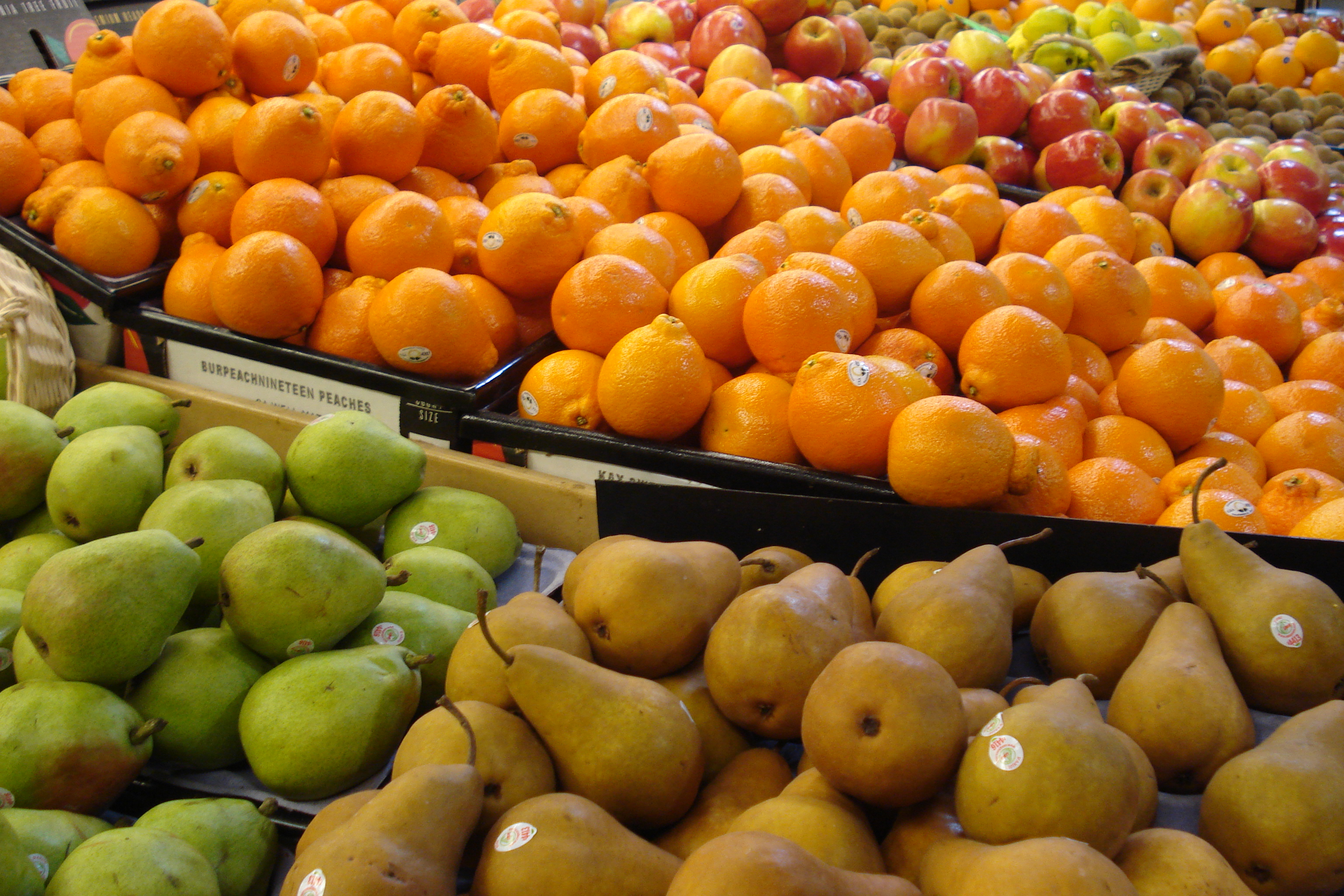
Foods orange and yellow in color improve vision and skin

Orange and Yellow Fruits are known as carotenoids, high in Vitamin C (citrus fruits) & Vitamin A, potassium. Cleansing of organs from sodium, promote alkaline balance and vision, reduces LDL cholesterol, blood pressure and risk of macular degeneration, promote collagen formation and has magnesium and calcium to improve bone.

Green Veggies for folate to improve brain, skin and liver

Green Vegetables are filled with chlorophyll, calcium, folate, Vitamin B.
Important for a healthy liver, skin, and colon, reduces risk of cancer,improves retinal health reducing risk of cataracts, macular degeneration and birth defects.

White foods boost immune system


White foods contain: anthoxanthins, allicin, beta carotene, lignans all improve immunity activating B & T-cells, balance hormone levels, lower blood pressure and improve blood circulation.

Cleansing and detoxifying are ideas and terms not encouraged by dietitians. Often times fads are spun off of an idea or word without realizing the negative effects on the body and organs such as loss of lean muscle, lack of nutrients for strengthening bone and muscle. The stomach is not reduced in the long run and upon food introduction, the lipid cells expand more easily. Lastly, no new habits or practices have formed to consciously eat with intent nor cook with a purpose.

When adopting a new dietary lifestyle, follow these 5 tips to success and notice the proper cleansing and renewal of health that your body is longing to experience:

  • Eat 4 fruits
  • 5 vegetables  a day
  • Drink 6-8 glasses of water/tea
  • Reduce salt intake by 1/2
  • Walk 30 = minutes each day.
By:  Kimberly Crocker-Scardicchio
References

Compare and Contrast the Vegan Lifestyle

More and more Americans are pursuing a vegan diet. While many benefits may come from reducing serving sizes, one should carefully consult with their Doctor and a Dietitian in order to better understand their own  biochemical make-up before taking up a Vegan Lifestyle.
Let’s begin by examining a Vegan Lifestyle. Vegans, like vegetarians, never eat meat. But vegans are stricter, shunning not only meat, but fish and shellfish (which some vegetarians will eat), eggs, milk and other dairy products — any food with an ingredient coming from: an animal,  a cow, or an insect. (Insects? Yes. For example, cochineal, which makes many red food dyes, has only recently been required to be listed on ingredient labels, but it’s always been made from insects.)  Vegans and vegetarians have to take special care to get enough vitamin B12 and protein, but like anyone, they can get all the nutrients they need from a varied diet of plants and grains, which must be consumed in one meal in order to achieve maximum intake of required protein.

Here’s a look at some more of the foods avoided by vegans:
1. Meat. All meats.
2. Fish and shellfish. No shrimp,  fried fish stick, nor wild Alaskan Salmon.
3. Dairy products. No milk and yogurt to cheese and butter.
4. Eggs. No mayonnaise or anything made with eggs (yes, most brownies and cakes, too!).
5. Honey. Bees are animals who make honey; it is therefore not part of the vegan diet.
6. White sugar. Some white sugar is processed with bone char. (PETA) No sugar.
7. Most beer. Guinness is filtered using tiny amounts of gelatin derived from fish bladders.  While some beers are vegan, others are filtered using egg whites or sea shells.
8. Some breads. While many simple breads, containjust four ingredients (flour, yeast, water, and salt) other types of  breads and baked goods are made with whey (a dairy product) or with butter, eggs, or sugar.
9. Marshmallows. These and other foods, like gummy candies and Frosted Mini Wheats cereal, are made with gelatin — a protein made from boiling skin, bones, and other animal parts. Surprisingly, though, a lot of junk food qualifies as vegan, even if it is unhealthy.
10. Salad dressing. Salads are great for vegans, but not necessarily the dressing. Scan the ingredient list, and you’ll often find lecithin, which helps keep oil and vinegar from separating, and can be derived from animal tissues or egg yolk.

Vegan Diet  

At the top of the pyramid in small amounts. Protein: Nuts, Seeds, Flax SeedsVitamin B 12, Legumes
Second Level: Dark Green Vegetables, Soy, Tofu
Third Level: All fruits and Vegetables
Fourth Level in larger amounts:  Whole Grains, Wheat Germ

If choosing to pursue the Vegan Lifestyle after a medical consultation, meet with a Dietitian who can counsel and establish a meal plan that meet the body’s nutritional needs; expect the following area’s to be reviewed before prescribing a new meal plan.
1. Fish (healthy fat) are a strong source of Omega-3, Phosphorous and Calcium, assists in keeping organs or wound healing, healthy, increases HDL and reduces inflammation in the body brought on by stress.
2. Red Meats (protein), Whole or Multi-Grain Breads (carbohydrates) promote HDL and reduction in plaque build up. They are an excellent source of Vitamin B in which the brain and central nervous system gets much of their nourishment.

Saturated fats need to be consumed in reduced amounts

3. Eggs (protein) contain the secret for complete protein. An egg holds all 21 amino acids,which are protein building blocks critical for maintaining healthy skin, eyes, nails, hair, organs, muscles, bones etc.
4. Dairy products provide Vitamin A, D, B12, Calcium, Phosphorous, Riboflavin all contributors of healthy: brain, bones, enzymes, skin, red blood cells (avoid anemia).
5. Honey has wound healing and antibacterial capabilities. Know also for reducing swelling, sore throats and boosts the immune system.

While the benefits of the vegan diet is advantageous in that the focus on fruits and vegetables are abundantly consumed, one should carefully consider how to replace necessary vitamins and minerals before taking on a new lifestyle.

Kim Crocker-Scardicchio

Calorie Shifting Fad and Facts

Foods to Reduce Bloating & Promote Diet   

 Tea’s Body Healing and Weight Loss

 Benefits of Lemon Water 

Consider this question, “Who invented the word DIET?” Its origin has evolved over time and spelling varies with language, Old French diete taken from Latin diaeta: “A day’s journey, or a day’s meeting / assembly”;  from Greek diaita derived from diaitan: “Mode of living” or to direct one’s own life“.  The word “diet” was intended to describe a day’s journey or meeting, or ability to take control of one’s own life. Within the origin of the word rests an implication of our own individual daily needs and how we utilize that to effectively and efficiently run our lives and hopefully enjoying that moment at a table with others!

Today Diet’s are promoted by healthcare provider’s, encouraging quick weight loss, in order to ensure an individual of surgery with reduced amount of risk to them while undergoing the “knife”.  Sometimes the “diet’s” are given and the measures of weight loss are drastic! The individual is carefully monitored on a weekly basis with bio-markers constantly reviewed. Bio-markers that are watched with greatest of attention are: Liver enzymes, muscle loss, bone loss, various hormones, lungs, heart, urine. All which are critical to understanding the health of the body as it endures change.

Should we be calling it “Lifestyle” instead of “Diet”? A concept that needs to be enforced in the American Society on a regular basis. What are we eating and why are we eating it? These two questions should be foremost thoughts before picking up the food with the idea of consumption.  Different foods provide a purpose each and every day. There are foods with a higher level of potassium which certain athletes consume on a regular basis, i.e. banana’s, orange’s and peanuts. While other athlete’s in field sports may consume higher level of protein. If an individual is sick, larger amounts of chicken soup, onion and garlic may be necessary. While the sleep deprived may want to consider; warm milk, turkey, chicken and a handful of nuts, all containing tryptophan (amino acid), that converts to serotonin (hormone), providing a more restful sleep. Infections (yeast) can be curved with a 3 glasses of green tea doctored up with honey and cinnamon. 

The idea of having a perfect silhouette is attractive by magazine standards. How one gets there should be done with caution, listening to ones own personal needs and under the careful eye of a Doctor, or Dietitian.  More importantly, make sure that other’s know that you are making a LIFESTYLE CHANGE so they can root you on and also make sure that you do not go to extremes. Most will confirm that it is more challenging to re-start the eating process for maintenance than losing the weight.

A Lifestyle (diet) of Fish, Vegetables, Multi-Grains contributes to heath & longevity

What should be included in a “Lifestyle Change” is a healthy fat; a daily dose of minerals and vitamins (2-3 tablespoon’s) will contribute to the elasticity of veins, muscles (all organs) and ligament’s. Consider exchanging the bottled salad dressing for extra virgin olive oil when enhancing a plate of mixed greens and tomato’s (Sunflower, Peanut and Coconut are also good fat’s). A high quality fish fat should be included in a meal 3-4 times a week and comes from: salmon, tuna, anchovies, sardines, mackerel all have both omega 3 and omega 6. Animal fat should be kept at a minimal of 2-3 times a week (aiming for a 7% animal fat) including: poultry, red meats, pork. Dairy fat’s are solid at room temperature, therefore must be consumed in smaller amounts daily: Butter (1 teaspoon), Cheese (1 ounce daily), Milk (skim or 1% 2-3 cups a day), Ice Cream (low fat 1/2 cup sparingly).

Below is listed a three day Calorie Shifting meal plan. Please note that the CS diet is NOT recommended or promoted.   This is all you would eat in three days!!! It lacks daily serving requirement’s of: fruit, 5 vegetables, a healthy fat, multi-grains (B vitamins i.e. folic acid for the brain & central nervous system) all critical to maintaining a healthy body.

Day 1

Meal #1: Scrambled Eggs Meal

Meal #2: Sandwich (any type)

Meal #3: Flavored Oatmeal

Meal #4: Tuna Salad

Day 2:

Meal #1: Cottage Cheese

Meal #2: Scrambled Eggs [and] Mixed Vegetables

Meal #3: Chicken

Meal #4: Banana Milk Shake

Day 3:

Meal #1: Chicken

Meal #2: Fish Fillet

Meal #3: Cottage Cheese

Meal #4: Fruit Salad

HOLD ON!  Not all is doom and gloom….

The following MEAL PLAN is recommended for anyone and provides the daily intake of minerals and nutrients that your body needs to stay strong and healthy.  You can absolutely lose weight on this diet!  It’s loaded with fruits, vegetables (which burn the most calories when metabolically broke down), grains, protein and fat.  Most do not realize that eating vegetables is a trick to weight loss, due to the amount of energy your body utilizes to them breakdown.  As with any food that one consumes, read the food label to understand what a serving size is before over loading your plate and understand your meal plan when preparing your grocery list.

Follow the catagory on the left column for fruit, vegetable, meat, or bread.  The right side of the column provide just a few suggested food items.  (LS or Low Sodium is heighly recommended for weightloss.)  Vegetarians may choose meat substitutes, Tofu, beans, nuts or eggs.

Breakfast
Bread or Cereal…. Oatmeal LS, Total Cereal, Cheerios
Fruit…………………..Apple, Orange, Pear, Apricot, Banana, Cherries, Berries
Milk……………………Skim or 1% (8 oz), Low or nonfat Yogurt

Snack am
fruit (1-2 of choice.  1 fruit is 1 serving size), or Blend 2-3 Fruits with 4 oz OJ 

Lunch
Vegetable……………Cole Slaw, Green Salad, Veggie Salad, Pepper sticks, Broccoli, Cucumber
Vegetable……………LS Cream of Potato Soup  (Choice of Soup, Salad, Vegetable)
Meat (3 ounces)………Tuna, Turkey, Herring, Salmon, Beef, Chicken
Vegetable…………..(Any) Twice baked sweet potato, Aparagus saute’ EVOO and Garlic

Fruit……………… …Fruit Salad or Fruit of Choice, (Avocado and Tomato seasoned, EVOO)

Snack pm
1 0z …………………..nuts or seeds (unsalted)
Milk…………………. 1% Skim or 4-6 oz low or nonfat yogurt

Dinner
Meat (3 Ounces)………………. Chicken Patty, Pork, Beef, Fish, Turkey,
Bread……………… (Bread is optional.  Choose whole grain or wheat bread.)
Vegetable………..Lettuce, tomato and onion (cooked or raw)
Vegetable……….. Baked beans
Fruit………………. Kiwi-Strawberry or a 
 LS, Reduced sugar content Dessert acceptable i.e. Sherbert

Do your research before starting on a Meal Plan and altering your dietary intake.  Remember to consult with your Doctor or Dietitian so that you can make the necessary changes to a healthier lifestyle.  For more info on how to enhance Lifestyle Change read: “How to nutritionally and effectively Down Shift to 1350 Calories per day”; “How Tea’s effect weightloss” and Flatten your Tummy for a Poolside Silohouette“.   

By: Kimberly Crocker-Scardicchio

Literature Research

http://www.healthalternatives2000.com/fruit-nutrition-chart.htmlhttp://www.cancerhelp.org.uk/help/default.asp?page=116#stemhttp://www.ifanca.org/newsletter/2002_07.htmhttp://ezinearticles.com/?Calorie-Shifting-Meal-Plan&id=870062http://www.ncbi.nlm.nih.gov/pubmed/15930970?ordinalpos=4&itool=EntrezSystem2.PEntrez.Pubmed.Pubmed_ResultsPanel.Pubmed_RVDocSumhttp://www.ncbi.nlm.nih.gov/pubmed/17412526?ordinalpos=3&itool=EntrezSystem2.PEntrez.Pubmed.Pubmed_ResultsPanel.Pubmed_RVDocSum

Healthy Bodies Healthy Snacks

Here’s a few questions to think about the next time you pack your child’s lunch.
Did you know that we can influence your moods, thought processes, immune system and DNA just by what we eat?
How can we help our children optimize their ability to focus, learn and raise their test scores?

It is all in what food they begin their day with, and continue to eat and snack on throughout their day. Healthy snacks for kids are quick and easier to organize than you might think. The taste buds on kids’ tongues are still predominantly influenced by the “sweet” taste buds that are on the tip of their tongue.  As they get older they will start to desire saltier foods influenced by the taste buds on the side of their tongue. Vegetables are sweet in taste when they are uncooked.  If you are struggling with your kids to eat vegetables try serving them sliced and raw with their meals.

Combine your Healthy Snacks   

Cherry Tomatoes, Carrots, Pumpkin Seeds, Celery, Fennel, Broccoli  

Oranges, Bananas, Plums, Grapes, Baby Bell Cheese, Sliced Tofu, Yogurt.                 4-24-08-022

  • www.healthcastle.com suggests to “check in airport gift shops for dried fruit, baked chips, trail mixes, or granola bars. Protein bars like Odwalla bars, or Cliff bars  which can all be substituted for heavier calorie meals.”
  •  


    Noted daily benefits Vitamin C for skin and eyes and Calcium for mood stabilizer and focus, healthy bones and muscles.  (Extra benefit of calcium could be weight loss.)

    Morning Eating Tips for Kids

    Morning Tips:
    Did you know that what we eat for breakfast can impact our day? This is because breakfast starts our metabolism to make sure that we have energy for:

    • movement
      thinking
      decision making
      learning / studying.

    This is especially important for our children. While they are young and playful, it is important that each day they are in school they continue building on their foundation of knowledge. If your child is unfocused, struggling to better understand their class material, or hungry it may be linked to what they are having for breakfast. Try combining some of these foods for a healthier focused mind, all have been shown to have a profound effect on how the brain functions.: Milk, Bananas, Eggs, Wheat Toast, Berries, Walnuts, Sliced Chicken /Turkey.

    If your child is getting hungry early on in the school day, introduce products into their breakfast with a small amount of fat from the dairy or meats listed. Additionally, fruits take longer to digest and therefore, provides another benefit to having one out the door.

    Listed are recommended foods that you can choose and combine for the first daily meal:

    Vitamin B’s: Bresoala, Prosciutto, Ham. Also try Wheat toast (with choice of butter, cream cheese, honey.)
    Calcium: Milk, Yogurt, Cheese, Soy, Almonds, Walnuts, Papaya, Oranges, Cactus Pear
    Various Vitamins: Banana, Orange, Apples, Berries, Pears, Melon