Pomegranate Health Benefits

Pomegranate Seeds NutritionThe pomegranate fruit is obtained from a tree  that is originally native to the Southwest Asia and is cultivated since centuries together. Pomegranate is widely cultivated throughout the Afghanistan, Iran, Azerbaijan, Armenia, Turkey, East Indies, Malaysia, tropical Africa and southeast Asia. Later on, it was also introduced to the US and Latin America. The fruit is typically available from November to February (in the northern hemisphere), while in southern hemisphere, it seasons from March to May. There are more than 750 species that are observed and cultivated all over the world for various purposes from eating to forming pomegranate juice.  The name pomegranate literally means “the apple with many seeds”. The number of seeds in a single fruit varies from 300-1000.

Pomegranate tree can live up to many years, which is an advantage for the pomegranate growers. This way, it enhances the outdoor decoration of the house with additional fruits provided. The fruit of pomegranate is ruby colored with many seeds that are both juicy and citrus in flavor. Pomegranate seeds nutrition facts are just numerous and therefore, pomegranate seeds are used for many purposes from ancient times.

Health Benefits of Pomegranate Seeds
Often called as super fruit, the invaluable pomegranate seeds are loaded with numerous antioxidant properties that are said to be three times higher than the green tea. As we know, antioxidants are very important to control the free radicals from the body that can cause several troubles to the body. Antioxidants also maintain and repair the damaged body cells.  Pomegranate is high in vitamin C, vitamin A, folic acid, vitamin E , fiber, potassium, iron and calcium.

This ‘magic fruit’ is a bliss for the heart health, as regular intake of pomegranate seeds or pomegranate juice promotes:
Cardio health and reduces risk of strokes and heart attacks.
Contributes to proper thinning of the blood, reduce blood pressure levels, increase blood flow towards heart.                 Maintains good cholesterol levels (so that HDL cholesterol is elevated) and reduces arterial plaques.
Reduces symptoms of:
Anemia (add 1 tsp of cinnamon & honey to 1 cup of 100 % Pomegranate Juice)
Arthritis
Osteoporosis
Skin allergies
Skin disorders
Urinary tract infections
Wheezing linked to asthma
Sore throats
Tapeworms
Digestive disorders
Blood impurities
Anemia
Diabetes
Read on for health benefits of pomegranate juice.

Researchers are carefully observing the effects of pomegranate juice and prostate cancer as well as skin cancer. There are numerous products that are used by the pomegranate seeds including: pomegranate seed oil , pomegranate dietary supplements, pomegranate extracts and pomegranate concentrated juice.

Due to the polyphenols (anti oxidant) within this wonderful fruit it’s nutrition promotes anti inflammatory effects which strengthens the immune system, wound repair and reduces skin wrinkling making it’s derivites the most sought after when addressing skin remedies.

Eat, Drink and Enjoy!

RECIPE

Pomegranate Apple Salad

Red seeds from a Pomegranate
1 Apple diced (remove core)
1/4 c. Feta Cheese crumbled (optional)
Lettuce Leaves: Endive, Rucula  (Arugula), Spinach, Green Leaf Lettuce. Tear into bite size.
Dressing
1/3 c Extra Virgin Olive Oil
2 Tbsp Balsamic Vinegar
1/2 tsp salt
1/8 tsp pepper
1 Tbsp Parmesan Cheese grated

Wash Pomegranate, Apple and Lettuce leaves. Over a salad bowl cut Pomegranate into quarter pieces, invert each piece so that the skin is push inward and the seeds com outward. Seeds will easily come out. Make sure to remove white pith that the seeds are attached to, discard pith. Cut apple in half, remove and discard seeds. Cut apple into chunks place into bowl. Add feta cheese and lettuce into salad to salad bowl.
Toss well so that all ingredients are incorporated.

Place all Dressing ingredients into a bottle or bowl, cover tightly, shake ingredients so that they are well combined. Pour dressing onto salad 5-10 minutes before serving.

Can Maple Syrup Benefit Diabetes?

Recent research done on Maple Syrup compares and contrasts the Maple Trees’  protein’s, hormone’s and enzyme’s and how they may positively impact Diabetes in human’s.  Too good to be true?  While sugars have to be monitored in a diabetic diet, researchers are going deeper and exploring Abscisic Acid’s importance in an individual’s diet. 

The main phytohormone, abscisic acid, found in both maple water and maple syrup is getting alot of attention as the same phytohormone  that is also found in dark green vegetables like broccoli and in berries.  The abscisic acid travels up and down the tree stem and comes from the chloropasts in leaves, which also produce cartenoids that give color to fruit.  Looking more closely at how this special phytohormone operates within the tree has shown that it is able to to promote wound healing (via proteinase inhibitors)  also meaning that it can fend off pathogens. How does that tie into a human’s diet?   “Along with other effects, it is known to stimulate insulin release through pancreatic cells and to increase sensitivity of fat cells to insulin, which makes it a potent weapon against metabolic syndrome and diabetes.” (News-Medical.net)

Dr Yves Desjardins, a professor at the Department of Phytology at Université Laval in Quebec, Canada and has studied Maple Trees and the production of it’s syrup.  Dr. Desjardins confirms that further studies  must be done in order to better conclude how maple syrup affects insulin homeostasis long term, and how we can more accurately understand the consumption of maple products and their affects on insulin behaviour.  Likewise, University of Rhode Island researcher Navindra Seeram, specializes in medicinal plant research, has “found more than 20 compounds in maple syrup from Canada that have been linked to human health, and 13 of these compounds are newly discovered. ” (Medindia.net)
Food Sceintists eagerly await news, “Studying maple products is of particular interest to the food science sector when we consider that all the bioactive molecules of the sugar maple are carried in its sap and that these molecules are forty times more concentrated in maple syrup.”

Before adding maple syrup to your diabetic diet talk to both your Doctor and Diabetes Educator so that they can monitor any changes that you make in your diet and accurately document your blood chemistry.

Kim Crocker

REFERENCES
http://www.diabeticsnacks.org/
http://www.news-medical.net/news/20100305/Research-reveals-maple-syrup-and-maple-water-contain-abscisic-acid.aspx  March 5,2010
http://www.plant-hormones.info/abscisicacid.htm
http://www.newswire.ca/en/releases/archive/March2010/05/c6318.html Montreal, Canada March 5, 2010
Medindia.net http://www.medindia.net/news/Anti-Oxidants-in-Pure-Maple-Syrup-Prevents-Cancer-Diabetes-Study-66716-1.htm  March 22, 2010

Define Carb Counting for Easy Weightloss

Counting carbs.   1 Carb count= 15 grams of Carbohydrate!  It is an easy way to do Nutritional Math at any given time.  FOR A COMPLETE LIST follow this link: http://dtc.ucsf.edu/pdfs/FoodLists.pdf

We can learn about counting carbs and balancing our dietary intake from those who suffer from diabetes.  Carb Counting is a meal planning method commonly used for people with diabetes, but can also be used in meal plansto achieve weightloss. Balancing the carbs you eat with your insulin doses can help you to achieve better blood glucose control.

Where Are the Carbs???
Carbs are found in the following foods and are part of the Carb Food Exchange when counting your daily running tab, reviewed under Nutritional Math.
Fruit, fruit juices (or any food that contains fruit or fruit juices)
Milk, ice cream, yogurt (or any food that contains milk)
Breads, cereals, crackers, grains, pasta, rice
Starchy vegetables (such as corn, potatoes, peas or beans)
Sweets (such as cake, candy, cookies, pie)
Sugary foods (such as regular soda, fruit drinks, sherbet)
Beer, wine and mixed drinks

All carbs are created equal!

It is the amount of carb you eat during a meal or snack that is important, not the type of carbFor example:  One cup of vanilla yogurt that has 30 grams of carbs and a sandwich with 30 grams of carbs,  

 both effect blood glucose levels in the same way.

Counting Carbs can be performed one of two ways:

  1. Carb servings 
  2. Carb grams.

One carb serving = roughly 15 grams of carb. 

A gram (g) is a unit of measure used for foods.                                                              Either method can be used and you will also need to recognize portion sizes.  For quick and easy daily help check the glycemic index for an exact number per food serving.

Check you food label under “Total Carbohydrate” to confirm the # of grams in a serving of food.  The general rule of thumb is 1 carb=15 grams (more or less).

1 serving or 1 apple is = 19 carbs

1 serving or 1 orange = 15 carbs

1 serving or 1 cup peas = 11 carbs

1 serving or 1 slice multi-grain bread = 13 carbs

1 serving or 6 oz lean meat, fish = 0 carbs

The foods in the groups listed below contain about 15 grams of carb per serving or choice. Each listed choices will affect your blood glucose level the same.

The following servings are one carb choice = 15 grams of carb

  • 1/2-cup orange juice from the Fruit group
    3/4 cup of cereal from the Bread/Starch group
    1 cup homemade coleslaw from the Vegetable group.

Using Grams, instead of counting servings, allows you to add up the grams of carb in a meal or snack. Grams are located on food labels. Your meal plan may suggest specific amounts of carb grams at each meal or snack.

NUTRITIONAL MATH

In a  2000 calorie diet, 1000 calories should come from carbohydrates. 

There are 4 calories per 1 gram of carbohydrate.

1000 cal/4 cal =250 g carb daily allotment.

250 g/ 15 g = 17 carbs

 Count 17 Carbs each dayin your diet to equal the 1000 calories of carbs.

Now, the other 1000 calories will need to come from Protein and Fat.

35% Fat or 1000 x .35=350 Fat calories

65% Protein or 1000 x .65 or 650 Protein calories

1000 Calories Carbohydrates

350 Calories Fat

   +650 Calories Protein                                                                                                 Total     2000 Calories Daily Intake

FYI  Generally speaking, the size of a sugar molecule that is in fruit, vegetables (fructose) and milk (galactose) is smaller and easier for your body to break down.  Sugar (sucrose), corn syrup and also white bread have a  complexed sugar molecule that is harder for your body to breakdown.  For example a chocolate bar is 30grams or 2 carb count.  Choose Milk, Fruit, Vegetable, Multigrain bread which have a lower 1 carb food exchange as opposed to the chips and candy bars which will have 3 carb food exchange.  It’s about optimizing your nutrient intake.  17 carbs go fast!  This is especially critical for those with Diabetes who will have an over production of insulin to do the job.

For more info

http://www.aspiruslibrary.org/patient_ed/pdf/dec/pe-dec-019.pdf

http://lowcarbmeal.info/

By: Kimberly Crocker

Control Obesity, Control Pathologies???

PLEASE VIEW!!!  Dr. Oz, a nationally renowned Physician, conducts a round table discussion on “Obesity and Diets” that may or may not contribute to pathologies.  What do we really know about nutrition and how it should be individualized?  Does obesity then relate to our hormonal and biochemical make-up?  What we do know is that an individual can change their DNA (as related to predipostion) make-up based on a two year dietary intake.

Globally, research is being done on nutrition and it’s impact leading up to certain pathologies.  The North American diet, with the exculsion of Alaska, is not healthy.   It has been shown that individuals in Asia, South Europe (mediterranean) and Central America have biomarkers that are healthier than what is found in other parts of the world.  Could this be related to the “essesntial fatty acids” found in omega 3, commonly found in fish and various seafood?  Could it be related to lifestyle, more walking and working with ones hands or more rest?  I look forward to hearing from the readers and what their experience has been.

Great information not commonly known amongst the public at large.

Dr. Mehmet Oz, Columbia Presbyterian Medical Center (GUEST HOST); Gary Taubes, Journalist; Dr. Dean Ornish, Founder and President, Preventative Medicine Research Institute; Dr. Barbara Howard, Amer… (more)
Added: August 25, 2007
Category:  News & Politics

Meal Plan for Optimal Glucose Levels (Diabetes)

Obtain optimal blood glucose levels by Meal Planning. Diabetics learn to keep their insulin in balance through out the day. Like the Food Pyramid that most are familiar with following, diabetics also have their own food pyramid that they can refer to in order establish their diet.
Proper meal planning should include spacing out 5-6 smaller meals throughout the day to maintain steady blood sugar levels, so that consumption of food is every two hours. Contrastly, eating a big meal only once or twice a day can cause extreme high or low glucose levels. In addition, if the exercise regimen is changed, changes should be made to the diet accordingly, to maintain weight control and to control blood sugar levels.
For more information on  the impact of: Salt, Sugar and Alcohol

As you practice your diet, you will begin to learn different food combinations.


A combination to avoid at a single meal would be a plate with potatoes, corn, beans and a slice of bread. Your body will break down all four as breads, therefore, increasing your blood glucose levels. Whole grain breads are best to use (Aunt Milles Whole Grain, Multi Grain breads are good source and 2 slices equals 1 serving!) also providing protein compared to white breads.

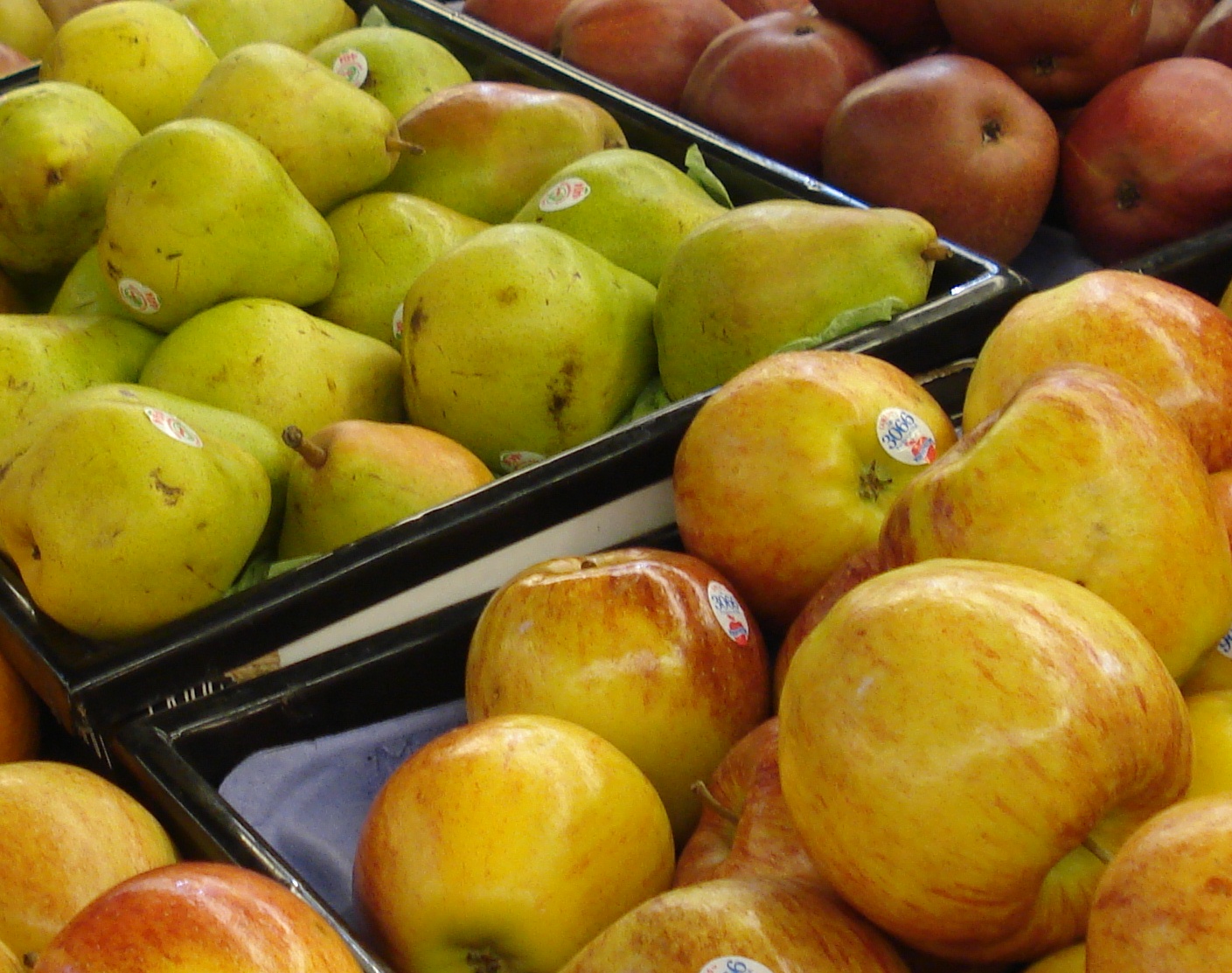
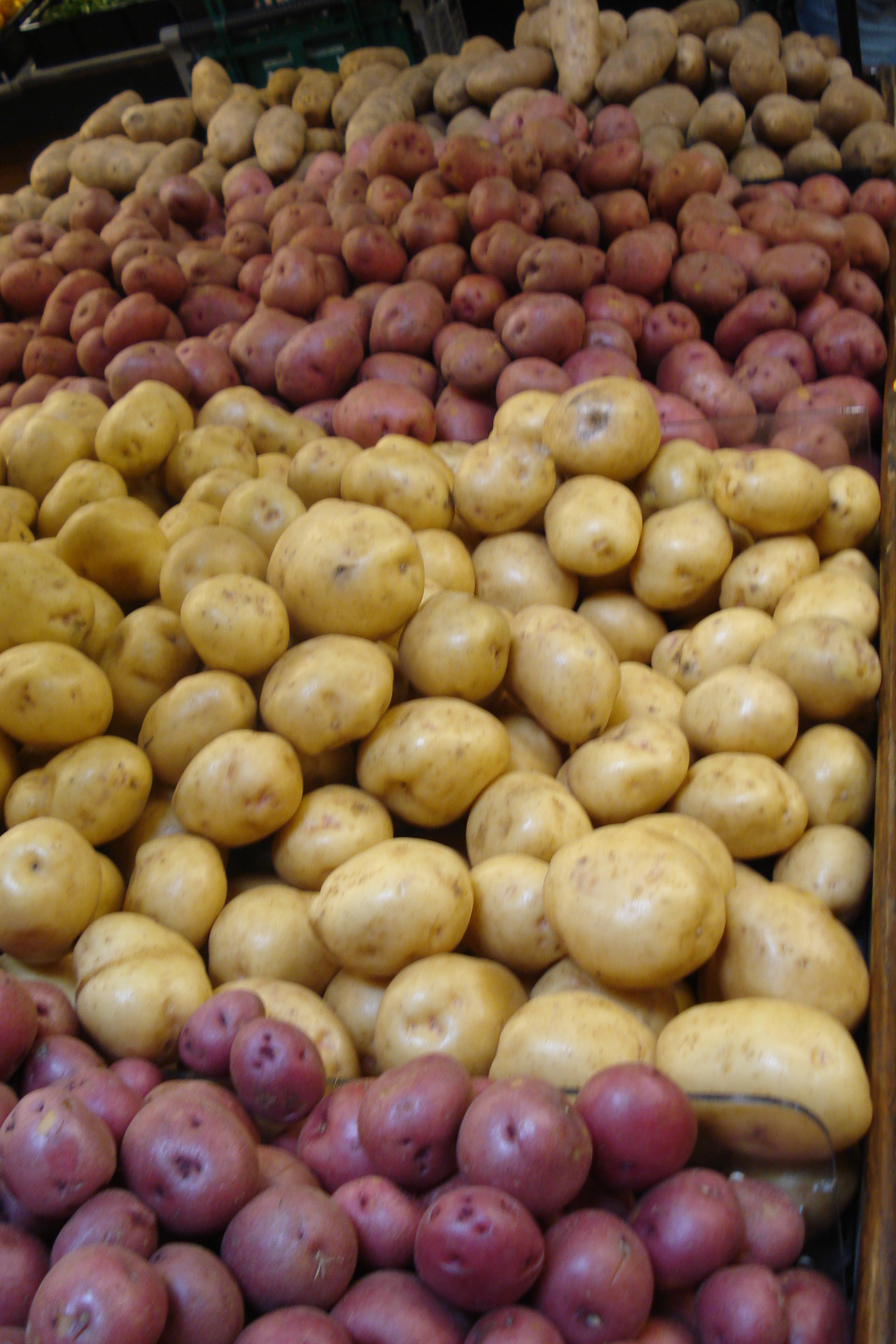
Additionally, root vegetables (beets, potato, yam) are high in fructose content (natural sugar), as are oranges, bananas and pineapples. A better choice would be apples, pears, cherries and plums.

ALL FOODS CAN be eaten, but they must be monitored in serving size and combined properly at meals in order to reduce insulin output, which will result in lowering your blood glucose. Recent studies have shown that Oolong Tea can contribute the pancreas which in turn reduces the insulin output.  You can drink up to  6 cups a day.

Contact your doctor, dietitian or post a message to find out what your meal plan should reflect.
Mens’ daily servings of food could be 1/4 – double of what a daily serving size may be for women.

Daily Servings Per Food Group
Suggested Serving Size
3-4 servings of fruit
1 small fresh fruit, ½ cup canned or dry fruit, ½ cup cup fruit juice
1 ounce of nuts (28-30 individual nuts): Almonds, Walnuts, Hazelnuts, Peanuts, Soynuts

3-5 servings of vegetables
1 cup raw vegetables, ½ cup cooked vegetables, ½ cup tomato or vegetable juice

6-11 servings of breads whole grains, beans, and starchy vegetables (shoot for 6 servings a day) 1 slice bread, (recommend Aunt Millies breads. 2 slices = 1 bread serving!) ½ small bagel or English muffin, 1 6-inch tortilla, ½ cup cooked cereal or pasta

2-3 servings of milk and yogurt
1 cup milk or yogurt

2-3 servings of meat, cheese, fish, and other proteins
2-3 oz. Cooked lean meat, fish or poultry, 2-3 oz. cheese, 1 egg, 1/2 cup Tofu, Nuts

Sparing use of fats, oils, and sweets
A serving of fats and oils can be 1 tbsp. butter, margarine, oil or mayonnaise. A serving of sweets can be ½ cup ice cream or 2 small cookies.

Meal Plan Combining Foods (for optimal glucose levels)
The daily menu follows the theory presented that “All Foods Can Be Eaten, but must be monitored”. Salt is used and also substituted. Sugar is available within the meals, yet limited. Alcohol is allowed, but only a 1/2 glass. (try for every other day routine with alcohol consumption.)
drink plenty of water throughout the day, 64 fl oz or 8 8 oz glasses.

Breakfast
1 cup yogurt
1 slice whole grain bread with pat of butter
1/4 cup berries
1 6 oz c. coffee with sweetner

Snack am
apple
1 ounce nuts

Lunch
1 8 oz. Milk
2 slices bread
2 slices turkey
3 slices tomato
1 lettuce leaf
1 tsp mustard
1 tsp mayo
1 pear
small bag of pretzels

Snack pm
Nutrition Bar
carrot and celery sticks
1 8oz milk

Dinner
Lemon Water
1 5oz glass wine
4 oz fish (baked seasoned with salt substitute, capers, olive and cherry tomatoe slices)
steamed broccoli (tossed in tsp oil, garlic, pepper, Mrs. Dash salt substitute)
baked potato oive oil, rosemary, thyme, pepper, salt
whole grain dinner roll
apricot

Dessert
1 c. orange sorbet
1/2 c. ice cream
small slice of cake

For more information you can contact the call the American Diabetes Association at (800) 232-3472 and select “receive more information about diabetes”.
Diabetic Food Pyramid

By: Kimberly Crocker
http://www.diabetes.org/nutrition-and-recipes/nutrition/foodpyramid.jsp