Read Your Palm, Determine Your Diet

Open hand, read your palm to know your serving size of meat.

Read your own palm and know your personal dietary needs. An open flat palm (don’t include the fingers) shows the size of meat, poultry or fish that YOU should consume. The thickness and the length of the palm perfectly identifies your personal protein needs. While an individual’s fist size (closed hand) can give you your own serving size for fruit and vegetables.

Your fist size determines your own single serving.

Clear the confusion over serving size, don’t let it upset your apple cart and ruin your diet! By better understanding what a serving size may look like, consider these unique tips to trigger your memory the next time your prepare a meal, or go out to eat a restaurant. Ones body can tell an individual how they must eat to meet their own individual needs. Remember, in order to not over eat, drink (245 ml) 1 glass of water before your meal and another during the meal.

Serving Sizes: Use the list below to measure foods and serving sizes. A serving size means the size of food after it is cooked or prepared.

  • 1 teaspoon (tsp) is about the size of the tip of your little finger (from the last crease)
  • 1 tablespoon (Tbsp) is about the size of the tip of your thumb (from the last crease).
  • 2 tablespoons (Tbsp) is about the size of a large walnut.
  • One ounce of hard cheese is about a 1 inch cube.
  • 3 ounces of cooked meat, fish, or poultry is about the size of a deck of cards.
  • 1 ounce of cooked meat, fish, or poultry is about 1/4 cup (c).
  • 1/2 cup of fruit or vegetables is about half of a fist (A serving of cooked vegetables is 1/2 cup (1/2 handful) or 1 cup (1 handful) raw.)
  • 1 cup of food is the size of a fist, or 8 fluid ounces of liquid.
  • 1-1/2 cup (12 fluid ounces) of liquid is the size of 1 soda-pop can.
  • 1 pint or 2 cups (16 fluid ounces) of liquid is the size of 1-1/3 soda-pop cans.

The American Dietetic Association counsels that individuals maintain a healthy lifestyle by
including the following into their dietary intake:

  • 4 Serving Fruits
  • 5 Servings Vegetables
  • 2 Servings of Milk
  • 2 Servings of Protein
  • 2 Servings of Healthy Fat (2 Tbsp of Extra Virgin Olive or Canola Oil)
  • 6-11 Servings of Bread (Determined by body size; men eat more bread servings, while women eat less.)
Be smart and plan each meal! When choosing foods, aim for a daily total of 25-38 grams of fiber that will come from Vegetable, Fruit and Multi-Grains.
By: Kimberly Crocker- Scardicchio

References

Recommended Daily Intake of Vitamins & Minerals

Recommended daily intake of vitamins and minerals and actual breakdown of Vitamin Content for Vegetables and Fruits with a glance at Mineral Content on Fruit and Vegetables Informative links that nicely graphs the proper milligrams of vitamins and minerals that should be ingested on a day to day basis with warnings about how they may create organ sensitivity or organ damage.

Eat Know How.  Know the Healing Power of Food

Recommended link: Vitamins and Minerals

Fennel Seeds to Restore Health

Fennel field typical in Mediterranean Countries

Across the fields of the Mediterranean country of Italy, yellow-flowered green feathery leaves gently move in the breeze. The “Florence Fennel” or Finocchio (feen o key oh) produces a vegetable and seed commonly used in promoting digestion at kitchen tables within Europe, India, Southeast Asia and North Africa.

Foeniculum Vulgare (genius) is listed under the species Apiaceae, or hollow stemmed plants, grouped with other family members including: anise, carrot, caraway, cilantro, cumin, dill, parsley and parsnip.The fennel seed is both green (soft and easy to chew) and yellowish in color (used in cooking) and full of nutrients.

Fennel seeds promote digestive healing. Limited to 1/2 tsp per day.

A dozen fennel seeds chewed on at a time will soothe and relieve various ailments in both men and women.

  • Breath freshener
  • Ease gum soreness
  • Assists in digestion
  • Combats acid reflux
  • Relieves flatulence, gas, stomach ache
  • Creates bile to promote bowel movement. Unclogs liver.
  • Due to their “expectorant properties”, fennel seeds ease coughs and treats bronchial congestion,  asthma
  • Reduces menstrual cramps, hot flashes, night sweats, water retention. Functions as a phytoestrogen and improves libido.
  • Curves stress eating!  ( 12 seeds 3x’s a day) Fennel Seeds or Flax Seeds are a natural “Appetite Suppressant” contributing to weight maintenance, or weight loss
  • Used to improve anxiety and depression
  • Lowers Blood Pressure
  • Fennel seeds can be purchased in the grocery isle that sells herbs and spices.
Eaten raw, steamed or boiled, fennel is encouraged to be part of ones nutritional intake. The texture of the smooth white fennel bulb when sliced releases a gentle aroma of lemon and licorice. The mouth feel of the vegetable is similar to celery. Full of fiber, it is an easy snack to pack, or consumed as an after dinner palate cleanser. Gently boil sliced fennel and green leaves for about 10 minutes. Pour water from pan into a mug and slowly drink water to promote intestinal healing.

Fennel can be eaten raw, steamed or boiled

FENNEL’S Nutrient Composition: “Fennel seeds contain antioxidants, dietary fibers, vitamins A, B and C. Minerals that promote healing are also present: copper, iron, calcium, potassium, manganese, selenium, zinc and magnesium. Its active components anethole, limonene, fenchone, anisic aldehyde, chavicol, myrcene, cineole and pinene are what make fennel seeds effective in their many restorative and curative functions in different body systems like the digestive system, respiratory system and the female reproductive system.”
WARNINGS: Fennel seeds oil is considered volatile. Those who experience plant allergies should approach fennel consumption with caution. Consult with your doctor before consuming fennel seeds if: pregnant, experience allergies or before giving to a child or baby.  Important to note that research has not proven fennel’s ability to calm colic in babies.
By: Kimberly Crocker-Scardicchio

Turmeric & Saffron to Cleanse & Heal Body

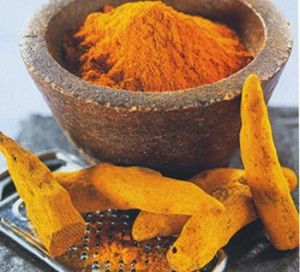
Turmeric cleanses the body

Go for it….Spice up your life!  Scientific research has revealed what the people of India have known for centuries! Turmeric and Saffron, whether combined with pharmaceuticals, or taken by themselves, cleanse the skin and cure what ails you; both spices functioning as natures prized antibiotics.

Turmeric and its cousin Saffron contain a polyphenol called “curcumin”, an  antioxidant that is associated with reducing nutrition related pathologies. They are bland tasting, turmeric has a rich yellow color that we associate with “Curry”  and saffron is orange and string-like. These wonderful seasonings are slowly taking on the health importance that they deserve.

Studies have determined that “Curcumin” impacts health as an: “antioxidant, anti-inflammatory, antiviral, antibacterial, antifungal, and anticancer activities and thus has a potential against various malignant diseases, diabetes, allergies, arthritis, Alzheimer’s disease, and other chronic illnesses.

The positive impact of the medicinal properties are mediated through the regulation of various:  transcription factors, growth factors, inflammatory cytokines, protein kinases, and other enzymes”, states The University of Texas MD Anderson Cancer Center. They further attest curcumin to be the “Spice of Life” saying that, “Curcumin exhibits activities similar to recently discovered tumor necrosis factor blockers (e.g., HUMIRA, REMICADE, and ENBREL), a vascular endothelial cell growth factor blocker (e.g., AVASTIN), human epidermal growth factor receptor blockers (e.g., ERBITUX, ERLOTINIB, and GEFTINIB), and a HER2 blocker (e.g., HERCEPTIN).”   All evidenced in the country of India which has been duly of having lower occurrences of heart disease and cancer.

Saffron comes from the crocus flower

Many comparisons have shown that individuals who leave India are diagnosed with a health disease, not otherwise documented in previous family history, after moving into a western society.  Duly noted, the main difference in dietary intake was a lower to “no” amounts of turmeric being consumed in their meals.

Turmeric is not as costly as saffron and is readily available with other herbs and seasonings in stores, or in 300 mg capsule form in the vitamin and mineral grocery isle.

Introducing turmeric into meal preparation is very easy to do. 1 teaspoon added to rice, pasta, potato’s, soups and vegetables are good ways to switch from the salt shaker to a healthier spice that heals and makes your body work and function better. Saffron is more costly and commonly used in the Italian dish Risotto Milanese, however, it also provides the same healing benefit as its close relative.

MANY HOME REMEDIES USING TURMERIC

  • With a few grains, turmeric’s antiseptic properties help to heal cuts, wounds, kitchen burns and abrasions. Make a paste of Turmeric and Raw Honey; 1 teaspoon honey and 1 teaspoon turmeric.  Adjust amount to wound, apply to wound and cover with a gauze. 3 x’s/day.
  • Gently rub a small dusting of turmeric onto area of face to reduce facial hair growth. Massage into skin with a dampened tea bag.
  • A mixture of 1 teaspoon turmeric and 1/4 cup yogurt rubbed onto the abdomen to reduce stretch marks during pregnancy. Rinse off after 5 minutes.
  • Added 1/4 teaspoon to individual meals through out the day, keeps various diseases a bay.
  • Mixture of 1/4 teaspoon turmeric, 1/8 teaspoon salt and 1/2 teaspoon mustard oil rubbed into gums to combat gum infections. Rinse with warm water.
  • Accredited for reducing anemia and sore throats by eating a paste made of 1 teaspoon raw honey & 1/4 teaspoon of turmeric. 3 x’s/day.
  • Stop diarrhea by drinking, 1/4 teaspoon turmeric to 1 glass of water
  • Sick with an infection? Combine: glass of milk  and stir in 1/2 teaspoon turmeric , 1 teaspoon honey. Drink this natural antibiotic 2 times a day.
  • Medicinal use for pathologies have duly noted an intake of 1-2 teaspoons of turmeric  3x’s a day inhibits growth of tumors, improves function of pancreas, reduces incidence of heart attack.
  • Combat GERD or “Acid Reflux” by consuming 1/8 teaspoon turmeric (a 300 mg capsule) before dinner. Also consider Fast Relief: Fennel Seeds Combat Digestive Problems and

Gas Pains Drink Lemon Water

  • Heal Acne by combining in a bowl 1/2 tsp water, 1/4 tsp turmeric and 1/8 tsp salt. With a cotton ball gently dab a small amount of  paste onto acne and allow skin to absorb ingredients overnight. In the morning, gently cleanse to remove and refresh skin.
For modern western medicine practices, the excitement around the ancient asian spices brings hope on the horizon for how meal preparation can enhance an individuals overall health. The many benefits of polyphenol curcumin are continuously being researched: Inflammation, Arthritis, Irritated Bowel Syndrome, Kidney Disease etc. Present studies  have shown that curcumin inhibits the proliferation of tumor cells in cultures, human and animal studies. Curcumin’s many strengths and limitations are being seriously explored and are bringing new opportunities to healing ones body.
By, Kim Crocker-Scardicchio
Recipes

Lentil Soup
Replace the Salt Shaker
Chicken Curry
Pork or Beef Roast with Vegetables
Risotto Milanese
Spices to Lower Inflammation
Health Benefits of Saffron

References
 1.  Food Chem Toxicol. 2011 Aug;49(8):1834-42. Epub 2011 May 6.
 Safety Assessment of a Solid Lipid Curcumin Particle Preparation: Acute and Subchronic Toxicity Studies.
 Dadhaniya PPatel CMuchhara JBhadja NMathuria NVachhani K Soni MG.
 Pre-Clinical Department, Cadila Pharmaceuticals Ltd., Dholka 387 810, India.
 website:  http://www.ncbi.nlm.nih.gov/pubmed?term=benefits%20turmeric%20body
2  .Best Pract Res Clin Gastroenterol. 2011 Aug;25(4-5):519-34.
 Curcumin: The Potential for Efficacy in Gastrointestinal Diseases.
 Irving GRKarmokar ABerry DPBrown KSteward University of Leicester, Department of Cancer Studies, Room 503, Robert Kilpatrick Clinical Sciences Building, Leicester Royal Infirmary, Leicester LE2 7LX, UK.
 website:  http://www.ncbi.nlm.nih.gov/pubmed/22122768
3. J Fam Pract. 2011 Mar;60(3):155-6.
 Clinical Inquiry. Does turmeric relieve inflammatory conditions?
 White BJudkins DZ.
 Oregon Health & Science University, Family Medicine, Portland, USA.
 website:  http://www.ncbi.nlm.nih.gov/pubmed/21369559
4.  Anticancer Agents Med Chem. 2011 Oct 25. [Epub ahead of print]
 Curcumin and its Formulations: Potential Anti-Cancer Agents
 Zhu HLJi JLHuang XF
 zhuhl@nju.edu.cn.    http://www.ncbi.nlm.nih.gov/pubmed/22044005
5. Nutr Cancer. 2010;62(7):919-30.
 Curcumin, the golden spice from Indian saffron, is a chemosensitizer and radiosensitizer for tumors and chemoprotector and radioprotector for normal organs.
 Goel A
 Aggarwal BB
 Department of Internal Medicine, Baylor University Medical Center, Dallas, Texas, USA.
6. Curcumin; Indian Solid Gold http://www.ncbi.nlm.nih.gov/pubmed/17569205

Power Fruit! Ruby Seeds Promote Immune System

Pomegranate Seeds NutritionThe pomegranate fruit is obtained from a tree  that is  native to Southwest Asia and has been cultivated for centuries. The pomegranate has traveled world wide, being  cultivated throughout Afghanistan, Iran, Azerbaijan, Armenia, Turkey, East Indies, Malaysia, tropical Africa and southeast Asia. It was introduced to the US and Latin America in the 18th Century.
     The fruit is typically available from November to February (in the northern hemisphere), while in southern hemisphere, it seasons from March to May. There are more than 750 species that are observed and cultivated all over the world for various purposes from eating to making pomegranate juice.
     The name pomegranate literally means “the apple with many seeds”. The number of seeds in a single fruit varies from 300-1000.

Pomegranates grow on pruned bushes or trees

The lifespan of the pomegranate tree/bush is 200 years, with optimal sweet fruit
production when the tree is15 years old and are therefore pruned so that branches do not exceed 15 years of age.

The pomegranate fruit is ruby colored with many seeds that are juicy and mild flavor. Pomegranate seeds nutrition facts are numerous and strongly encouraged to be part of ones dietary intake as a seasonal fruit.

Health Benefits of Pomegranate Seeds
Often called a super fruit, the invaluable pomegranate seeds are loaded with numerous antioxidant properties that are said to be three times higher than the green tea.   Antioxidants maintain and repair damaged body cells caused by free radicals within the body, that lead to ailments or disease. High amounts of antioxidants are found in fruits, vegetables and teas. Include the pomegranate as part the your daily intake of 4 fruits, 5 vegetables to maximize an intake of antioxidants.

The ruby red seeds are high in vitamin C, vitamin A, folic acid, vitamin E , fiber, potassium, iron and calcium. It is an excellent compliment to the end of any meal that is high in sodium, as the potassium present within this healthful food, assists in flushing excess sodium from the body.  Additionally, this ‘magic fruit’ is a bliss for the heart health, as regular intake of pomegranate seeds or pomegranate juice promotes:

  • Cardio health and reduces risk of strokes and heart attacks.
  • Contributes to proper thinning of the blood, reduce blood pressure levels, increase blood flow towards heart.
  • Maintains good cholesterol levels (so that HDL cholesterol is elevated)
  • Reduces arterial plaque.

Reduces symptoms of:
Anemia (add 1 tsp of cinnamon & honey to 1 cup of 100 % Pomegranate Juice)
Arthritis
Osteoporosis
Skin allergies
Skin disorders
Urinary tract infections
Wheezing linked to asthma
Sore throats
Tapeworms
Digestive disorders
Blood impurities
Anemia
Diabetes
Read on for health benefits of pomegranate juice.

Researchers are carefully observing the effects of pomegranate juice and prostate cancer as well as skin cancer. There are numerous products that are used by the pomegranate seeds including: pomegranate seed oil , pomegranate dietary supplements, pomegranate extracts and pomegranate concentrated juice.

Due to the polyphenols within this wonderful fruit, its nutrients promotes anti inflammatory effects, strengthening the immune system, wound repair and reduces skin wrinkling making it’s derivites the most sought after when addressing skin remedies.

Eat, Drink and Enjoy!

RECIPE

Pomegranate Apple Salad

Red seeds from a Pomegranate
1 Apple diced (remove core)
1/4 c. Feta Cheese crumbled (optional)
Lettuce Leaves: Endive, Rucula  (Arugula), Spinach, Green Leaf Lettuce. Tear into bite size.
Dressing
1/3 c Extra Virgin Olive Oil
2 Tbsp Balsamic Vinegar
1/2 tsp salt
1/8 tsp pepper
1 Tbsp Parmesan Cheese grated

Wash the Pomegranate, Apple and Lettuce leaves. Over a salad bowl, cut Pomegranate into quarter pieces, invert each piece so that the skin is push inward and the seeds com outward. Seeds will easily come out. Make sure to remove white pith that the seeds are attached to, discard pith. Cut apple in half, remove and discard seeds. Cut apple into chunks place into bowl. Add feta cheese and lettuce into salad to salad bowl.
Toss well so that all ingredients are incorporated.

Place all Dressing ingredients into a bottle or bowl, cover tightly, shake ingredients so that they are well combined. Pour dressing onto salad 5-10 minutes before serving.