5 Steps to “Cleanse” & Improve Lifestyle

Cleansing, Purifying, Renewal.  All good words that make us feel positive about making a change in our lives, words that tie us to a commitment to do better while paying attention to nutritional intake.

“Must foods” to add to any new meal plan

  • Colorful
  • Consumed multiple times throughout the day
  • Contain fiber and water

Carbon that hydrates the body, otherwise known as Carbohydrates. Improve dietary intake by loading up on fruits and vegetables that will contribute to renewed health.

Red Vegetables to reduce risk of prostate cancer.

Vegetables and fruits that are red in color contain lycopenes, (fiber, Vitamin C, quercatin, ellagic acid, hesperidin) all which actively protect the colon from prostrate cancer, lower LDL cholesterol, lower blood pressure, slow tumor growth, rid free radicals from the body and in some cases protect joints from arthritis.

Red, Blue & Purple foods to keep stroke and brain disease at bay.

Fruits that are: red, blue, or purple contain some of the same key players as the red foods have and are called anthocyanins. Their value protects the brain, improves memory and immune system, reduces LDL cholestrol, are anitcarinogens and protect the digestive tract, assist calcium and mineral absorption across the digestive tract, reduce inflammation and cancer cells.

Foods orange and yellow in color improve vision and skin

Orange and Yellow Fruits are known as carotenoids, high in Vitamin C (citrus fruits) & Vitamin A, potassium. Cleansing of organs from sodium, promote alkaline balance and vision, reduces LDL cholesterol, blood pressure and risk of macular degeneration, promote collagen formation and has magnesium and calcium to improve bone.

Green Veggies for folate to improve brain, skin and liver

Green Vegetables are filled with chlorophyll, calcium, folate, Vitamin B.
Important for a healthy liver, skin, and colon, reduces risk of cancer,improves retinal health reducing risk of cataracts, macular degeneration and birth defects.

White foods boost immune system


White foods contain: anthoxanthins, allicin, beta carotene, lignans all improve immunity activating B & T-cells, balance hormone levels, lower blood pressure and improve blood circulation.

Cleansing and detoxifying are ideas and terms not encouraged by dietitians. Often times fads are spun off of an idea or word without realizing the negative effects on the body and organs such as loss of lean muscle, lack of nutrients for strengthening bone and muscle. The stomach is not reduced in the long run and upon food introduction, the lipid cells expand more easily. Lastly, no new habits or practices have formed to consciously eat with intent nor cook with a purpose.

When adopting a new dietary lifestyle, follow these 5 tips to success and notice the proper cleansing and renewal of health that your body is longing to experience:

  • Eat 4 fruits
  • 5 vegetables  a day
  • Drink 6-8 glasses of water/tea
  • Reduce salt intake by 1/2
  • Walk 30 = minutes each day.
By:  Kimberly Crocker-Scardicchio
References

Compare and Contrast the Vegan Lifestyle

More and more Americans are pursuing a vegan diet. While many benefits may come from reducing serving sizes, one should carefully consult with their Doctor and a Dietitian in order to better understand their own  biochemical make-up before taking up a Vegan Lifestyle.
Let’s begin by examining a Vegan Lifestyle. Vegans, like vegetarians, never eat meat. But vegans are stricter, shunning not only meat, but fish and shellfish (which some vegetarians will eat), eggs, milk and other dairy products — any food with an ingredient coming from: an animal,  a cow, or an insect. (Insects? Yes. For example, cochineal, which makes many red food dyes, has only recently been required to be listed on ingredient labels, but it’s always been made from insects.)  Vegans and vegetarians have to take special care to get enough vitamin B12 and protein, but like anyone, they can get all the nutrients they need from a varied diet of plants and grains, which must be consumed in one meal in order to achieve maximum intake of required protein.

Here’s a look at some more of the foods avoided by vegans:
1. Meat. All meats.
2. Fish and shellfish. No shrimp,  fried fish stick, nor wild Alaskan Salmon.
3. Dairy products. No milk and yogurt to cheese and butter.
4. Eggs. No mayonnaise or anything made with eggs (yes, most brownies and cakes, too!).
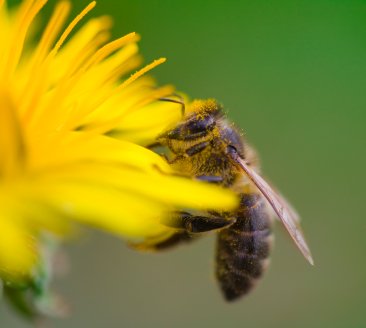
5. Honey. Bees are animals who make honey; it is therefore not part of the vegan diet.
6. White sugar. Some white sugar is processed with bone char. (PETA) No sugar.
7. Most beer. Guinness is filtered using tiny amounts of gelatin derived from fish bladders.  While some beers are vegan, others are filtered using egg whites or sea shells.
8. Some breads. While many simple breads, containjust four ingredients (flour, yeast, water, and salt) other types of  breads and baked goods are made with whey (a dairy product) or with butter, eggs, or sugar.
9. Marshmallows. These and other foods, like gummy candies and Frosted Mini Wheats cereal, are made with gelatin — a protein made from boiling skin, bones, and other animal parts. Surprisingly, though, a lot of junk food qualifies as vegan, even if it is unhealthy.
10. Salad dressing. Salads are great for vegans, but not necessarily the dressing. Scan the ingredient list, and you’ll often find lecithin, which helps keep oil and vinegar from separating, and can be derived from animal tissues or egg yolk.

Vegan Diet  

At the top of the pyramid in small amounts. Protein: Nuts, Seeds, Flax SeedsVitamin B 12, Legumes
Second Level: Dark Green Vegetables, Soy, Tofu
Third Level: All fruits and Vegetables
Fourth Level in larger amounts:  Whole Grains, Wheat Germ

If choosing to pursue the Vegan Lifestyle after a medical consultation, meet with a Dietitian who can counsel and establish a meal plan that meet the body’s nutritional needs; expect the following area’s to be reviewed before prescribing a new meal plan.
1. Fish (healthy fat) are a strong source of Omega-3, Phosphorous and Calcium, assists in keeping organs or wound healing, healthy, increases HDL and reduces inflammation in the body brought on by stress.
2. Red Meats (protein), Whole or Multi-Grain Breads (carbohydrates) promote HDL and reduction in plaque build up. They are an excellent source of Vitamin B in which the brain and central nervous system gets much of their nourishment.

Saturated fats need to be consumed in reduced amounts

3. Eggs (protein) contain the secret for complete protein. An egg holds all 21 amino acids,which are protein building blocks critical for maintaining healthy skin, eyes, nails, hair, organs, muscles, bones etc.
4. Dairy products provide Vitamin A, D, B12, Calcium, Phosphorous, Riboflavin all contributors of healthy: brain, bones, enzymes, skin, red blood cells (avoid anemia).
5. Honey has wound healing and antibacterial capabilities. Know also for reducing swelling, sore throats and boosts the immune system.

While the benefits of the vegan diet is advantageous in that the focus on fruits and vegetables are abundantly consumed, one should carefully consider how to replace necessary vitamins and minerals before taking on a new lifestyle.

Kim Crocker-Scardicchio

Herb’s & Spice’s to Replace the Salt Shaker

…. After all, “variety is the spice of life”.

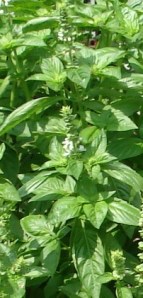
Add chopped basil to flavor vegetable dishes

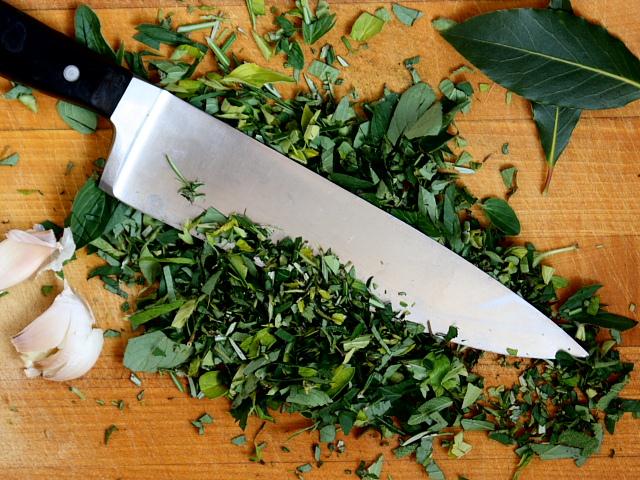
Freshly grown and cut herbs placed in a vase filled with water adds beauty and a wonderful scent to the kitchen. Keep the herbs within hands reach makes it easy for the cook to chop and provides flavor to dishes while reducing sodium.  Herbs when added to any dish, accent’s and brings out the best from vegetables and meats. Consider making some changes to your meal preparation; buy spices and always keep a bouquet of garden fresh herbs within hands reach ready to be enjoyed.
Recipe Ideas

Spices (1/2 -1 teaspoon)
Allspice, Cumin, Paprika, Red Pepper Flakes Saffron, Tumeric

Herbs (1-2 Tablespoon)
Basil,  Cilantro, Ginger, Marjoram, Mint, Oregano, Parsley, Rosemary, Sage, Thyme , Garlic, Onion

Sauces:

  • Excellent combination for any tomato base: Oregano, Garlic, Parsley, Red Pepper flakes, EVOO
  • Ragu base tomato sauce with or without meat. Chopped Onion, 6-10  Basil leaves, EVOO
  • Cream sauce: Chopped sage, 1/2 c. onion, 1 minced garlic, cracked pepper
  • Spaghetti Sauce
  • Michelangleo Sauce

Soups:

  • 1 tsp Tarragon, 1 tsp Red Pepper Flakes, 1 square inch cheese Rind from the end of Parmesan Cheese added to any soup. Allow to simmer for 45 minutes.
  • With a 2 tbsp olive oil combine equal parts of ROSEMARY, SAGE, THYME, to a GARLIC clove, half ONION for your favorite beans. • Try any of these herbs in your steamed vegetables or in soups.
  • Choose from 1/2 tsp Mint, Lemon Zest, or Dill are great in rice with vegetables and kidney beans, or in dips with yogurt and low fat sour cream.
  • 1 tsp chopped Chives and 1 tsp parsley are great on top of salad, soup or baked potato. They are also good in dips with yogurt and sour cream.
  • Fava Bean Soup
  • Creamy Zucchini Soup

•  For a delicious Pot Roast choose a group of seasonings, rub onto meat, place into a covered dish or closed plastic bag, allowing to absorb flavors for 4+ hours then prepare according to roasting time.

Herbs releases a wonderful aroma adding great flavors to your meals.

•  Chicken and Turkey

Choose group of seasoning and herbs and rub onto Chicken and Turkey

  • 1 tsp Turmeric, 1 tsp Marjoram, 1 minced  Garlic Clove, 1 Tbsp Extra Virgin Olive Oil .
  •  Zest of 1 Lemon and 1 Orange, 1 Tbsp chopped mint, 1 Tbsp Extra Virgin Olive Oil
  •  1 Tbsp chives, 1/2 tsp Oregano, 1 minced Garlic clove,  1/2 c. chopped onion, 1/2 tsp Cumin, 1 Tbsp Extra Virgin Olive Oil with tomatoes (tomato sauce), rice, black beans and corn for a delicious Spanish flavor.
  • Chicken and Dumplings (reduced-sodium)
  • Pork Roast and Vegetables
Steak  Marinade steaks in 1/4 c balsamic vinegar to tenderize the meat, adding a bit of 1/8 tsp salt, pepper and dried/chopped mint leaves
Wine Substitute
3/4 cup wine can be substituted with1/2 cup apple cider vinegar or red wine vinegar and 1/4 cup water.
Fish
  • • Place fish onto a large aluminum foil. In the center of fish place 5-10 leaves of parsley, 4 garlic slices, 1/4 tsp red pepper flakes. Completely cover fish and seal aluminum, place into oven and bake on 350 for 20 minutes.
  • Tuscan Cacciucco Fish Stew

Tips to reduce sodium:
Table Salt
Omit salt or reduce salt by ½ in most recipes (except in products with yeast). Cook foods without adding salt.
Don’t put the salt shaker on the table: try pepper, or Mrs Dash salt substituteFrozen or canned vegetables
Choose frozen vegetables without sauces or use no-salt-added canned goods. Rinsing canned vegetables will help reduce sodium.Seasoning Salt or spice mixes with salt
Use salt-free seasonings and spice mixes, herbs, spices, lemon juice, vinegar, mustard, garlic or Chile peppers to flavor food instead of salt.

Seasonings high in sodium include: catsup, chili sauce, chili powder, bouillon cubes, barbecue sauce, soy sauce, Worcestershire sauce, and meat tenderizers.

Reducing Triglycerides and Cholesterol

FOLLOW UP WITH: Cholesterol and Triglyceride Reducing Foods

Understanding Triglycerides in the correct amount   The body needs a supply of two types of  lipids/fats that circulate in our blood stream: triglycerides and cholesterol. Triglycerides are made in the liver and stored in fat cells, playing a key role in energy for muscle function. While this article in brief, takes a closer look at triglycerides it is equally important to keep its partner in mind, cholesterol, which is key for muscle cell membrane and making of hormone’s.  The liver builds triglycerides by using a glucose (sugar) with three fatty acids attached to it, however they can be made without food consumption as well.  After triglycerides are built, they can be stored in the liver, or sent to and stored within muscles.

     Three functions, of triglycerides are:
  1. Energy for all parts of the body.
  2. Insulation to help keep the body in homeostasis (balance of temperature).
  3. Provide adequate nutrition when we are sick, delivering fat vitamins (K, A, D, E).

How it works:  The liver creates triglycerides as stored energy. When energy levels become low, the hormone glucagon orders the fatty acids to be broken off of the sugar base. The sugar and fatty acids can both then enter energy production cycles

Cause and Effect:  The calorie is a measurement of heat energy. Carbohydrates and proteins contain only 4 calories per gram. Fats contain 9 calories per gram, thus providing the body with more than twice the amount of energy as sugars and proteins.  Triglycerides are the most concentrated form of energy found within the body, producing more than twice the amount of energy per gram than other forms of energy (protein and carbohydrates), which is why the body can store large amounts of triglycerides.

Clearing up the confusion:  Keep in mind that triglycerides are stored in fat cells and some muscle cells. While your body prefers to use fat as the main energy source, it should represent less than 30 percent of your diet. High-fat diets leave you at risk of obesity.  Your blood value must be <150 (less than 150).  More than 150 puts an individual at risk.

Fish, fruits, vegetables promote HDL Cholesterol to reduce LDL Cholesterol

An excess of triglycerides causes fat buildup in the liver and around the muscles, causing an increase in body fat percentage. Triglycerides are the most common type of fat found in your body and blood plasma. The body absorbs and uses all the energy consumed from food eaten throughout the day, getting rid of anything it cannot use turning it into triglycerides, storing them in your fat deposits.  As a body takes in more food than it can store, the unused food is stored as triglycerides in lipid cells, the more that this happens, the bigger the risk for the build up in the system, placing the individual at risk for diabetes, strokes and heat attacks.

Foods to eliminate in dietary intake in order to reduce triglyceride levels are:  Alcohol, Dairy, Pork, White Breads, Reduce Red Meat to 3 ounces twice a week.  

Read More: Remove Alcohol For Quick Weight Loss 

Food Pyramid for improved Health

Include these foods for improved Triglycerides Cholesterol and Triglyceride Reducing Foods and learn more about how to balance your meals by following Dietary Serving Guidelines . Increase Fish: Salmon, Anchovies, Sardines, Herring, Mackerel intake 4 times a week to improve quality of Omega 3 (healthy fat) and protein. By introducing fish into your lifestyle, the body responds to a fat that is easier to break down with protein that the organs need in order to have improved function. For fiber include 4 servings of Fruit and 5-7 servings of vegetables a day. Quality of vitamins and minerals is critical to a reduction of unwanted food that would otherwise by stored as triglycerides in fat (lipid) cells.  By doing so you can keep your HDL Cholesterol >70, the LDL Cholesterol <120 and Triglycerides <150.

Recipes to include in your diet

Tuna Steak

Roasted Pepper and Carrot Soup

Lemon Infused Chicken or Fish

Written by:  Kim Crocker Scardicchio

Vitamin “H” for Haar and Haut

European spa’s know it and sell it at their Benessere Resorts (well-being)!  The style toted by european women is practiced weekly as they go to local salons and focus on their natural beauty. When referencing the body it’s as simple as name dropping, just say the German words “Haar and Haut” and you have “Hair and Skin”.

Vitamin H derives its name from Haar and Haut (also known as  Biotin/B7) therefore, this vitamin  is critical in the making of:  skin, hair cells, breaking down fats and producing fats metabolized from protein/amino acids as it assists key enzymes (carboxylase) to produce what is necessary for life.

Carefully understanding the word metabolism allows for easier comprehension on how and why we can better do better in improving or maintaining a lean machine.   Metabolize comes from the Greek word Metabole meaning Change.

We count on our metabolism, to break down carbohydrates, proteins, and fats into smaller units; those units are reorganized as tissue building blocks (or as energy sources) and then waste products are eliminated and removed based on what our body cannot use.  In order for a body’s enzyme’s or hormone’s to do all this work, it needs an assistant  (referred to as co-enzymes) like biotin so that principle enzymes can participate in the production and building of healthy bodies.

Foods rich in Biotin

Improving  daily intake of vitamin H  is easy to do by choosing one of the following foods and including it into a well rounded diet.  Best foods for Biotin/Vitamin H/B7  are:  cooked egg yolks and whites, liver, fish, peanuts, peas, cauliflower, corn and grains. Biotin is produced in the intestines through bacteria as well. Vitamin B7 is also found in synthetic form.
Interference of proper uptake of vitamin B7 can happen through consumption of alcohol, which limits or prohibits the co-enzyme to function, as well as eating of raw eggs.  Research shows  that the raw egg white holds the  protein Avidin which can  interfere with Biotin which is found in the egg yolk.  Therefore, it’s advised that if biotin deficiency is determined in an individual, that one should cook the egg so that avidin is denatured upon cooking, while biotin remains intact.  Those who are pregnant, lactating, or athletic may need extra vitamin B7 and should consult their doctors to have their levels of biotin checked.
Biotin/B7 deficiency can be noted by causes of skin rashes (dermatitis), nail and hair (alopecia) loss, conjunctivitis (pink eye) and tingling in extremities.  It may also result in weakness, depression, hallucination, numbness, fatigue, irritation, rashes, loss of appetite.
We can still enjoy the care of “Haar and Haut” at our local hair salons for cuts, pedicures and manicures! However, with accurate dietary information in hand, knowledge and proper care of oneself  can improve lifestyle and attention to what will bring about physical success.
By:  Kim Crocker-Scardicchio
References