Beauty of Wine and Grape Juice

The presence and evidence of wine has been traced to the first and second millennium in China and from there, production of wine has been found to also exist during 5000-6000 BC in the Mid-East.  Wine evolved and technology began to advance during the Roman Empire as vineyards were cultivated and wine was stored and shipped in barrels.  Today, researchers provide us with the latest DNA results concerning the progress of the fruit and it’s spirit.

After much DNA research on grapes in the countries of Australia, France and Italy the studies have concluded that the next two-four years of wine production should be exceptional due to the optimal quality of the grape. “The cultivated heterozygous grape species, Vitis vinifera, has potential to become a model for fruit trees genetics after determining it’s genome sequencing”, according to the IASMA Research Center, San Michele all’Adige, Trento, Italy.   Agriculturalists will benefit from this research by quickly identifying and reducing the number of micro-organisms or parasites that are bringing harm to the plant, allowing the farmers to produce a more stable product.  The consumers can look forward to a higher quality wine, which will be more readily available.

Italian wines have consistently outpaced the French and Spanish wines over the past few years. Recent statistics released in a survey done in Los Angeles, CA have shown young Americans and women to perfer: Chianti Classico, Pinot Grigio (Alto Adige and Friuli), Barolo, Barbaresco and Brunello.  However, countries that are competing for a place in the local cantina are: Africa, Argentina and Portugual.  All who have found ways to provide a table wine that will elegantly enhance the simplest to priciest of dinners.
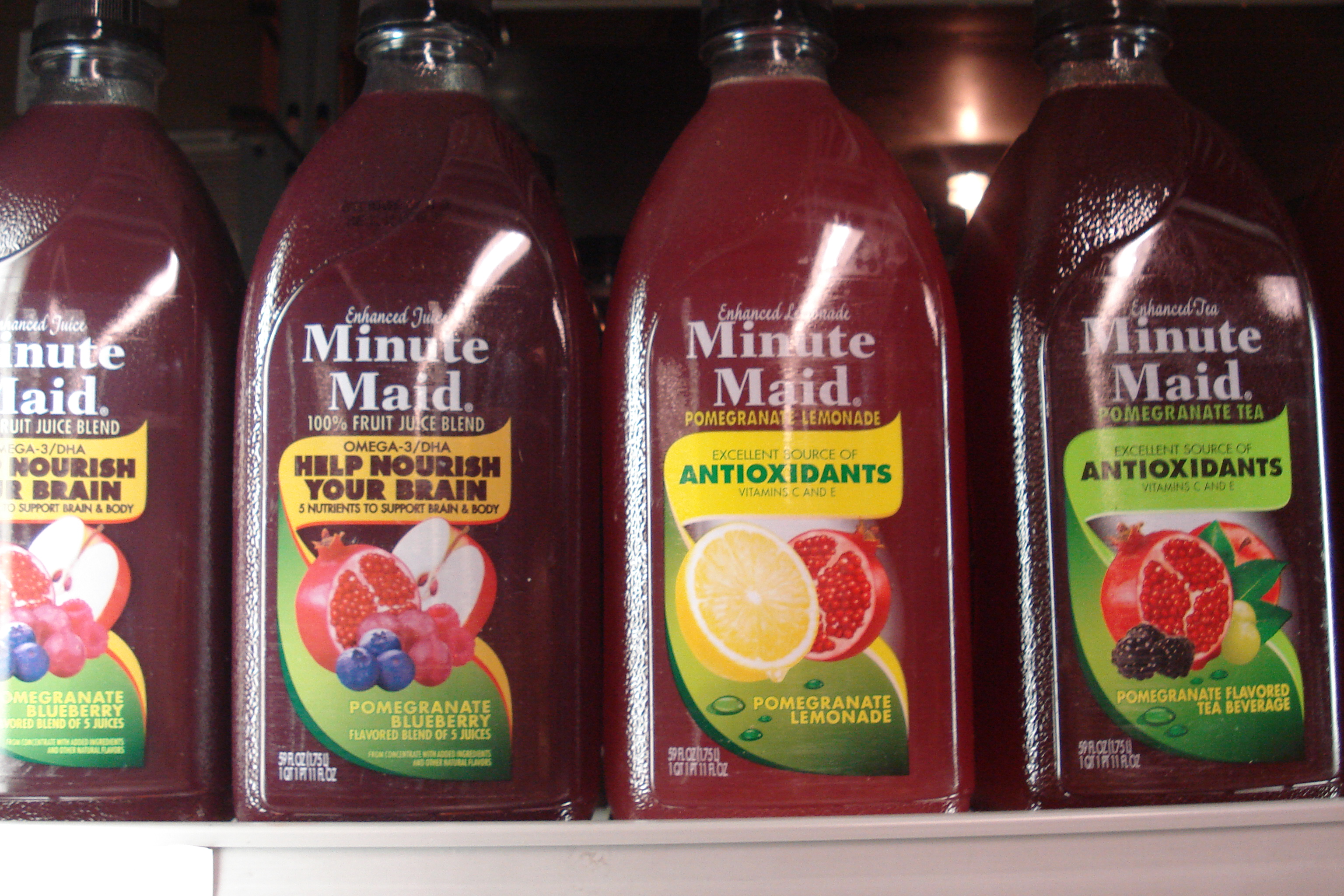
              Recent information in the media presents the  medicinal benefits of wine and juice content of fruit (i.e. Minute Maid), which comes from a chemical compound called Resveratrol (also found in peanuts, soy, cranberries, blueberries, and Itadori tea which maybe a good substitute for red wine) linking it to possible human longevity.  What is known about resveratrol is that it is produced in the skin of red/purple grapes and it’s main purpose is to operate as an anti-fungal agent or an anitbiotic.  It transfers to the juice of the fruit during crushing and fermentation. It’s typically found in red wines, but not white wines. 

Resveratrol is a phenolic compound that can be found where grapes grow in colder climates such as: Northern CA, MI, Canada and North European countries.  This is because rainfall is more and sunlight is less, hence the need for resveratrol to fight against developing fungi.

Medicinal resveratrol has been evident when 1 glass of wine is consumed daily, permitting the blood cells to smoothly pass each other instead of sticking to one another and creating potential blood clots that lead to heart disease. According to the AWRI (Australian Wine Research Institute), Resveratrol is being studied to determine it’s effect on damaged DNA and how it may act as an anti-cancer agent. “It appears related to anti-oxidation, where resveratrol may prevent and repair damage to DNA associated with the initiation of cancer, as well as acting to prevent the growth and proliferation of cancer cells, both at the gene and cell level.”

One cup serving of grapes yields: 57 calories, 6 grams of protein, 16 grams of carbohydrates, 2 mg of sodium, 1 gram of dietary fiber and vitamins A and C.

One glass of red wine yields: 4 oz 85 calories, sodium 6 mg, total carbohydrates 2 g.

by: Kimberly Crocker Scardicchio

Global Literature Research

  1. Perspectives in Nutrition, Sixth Edition Wardlow, Hampl, DiSilvestro
  2. Fundementals of Anatomy & Physiology 6th Edition, F. Martini
  3. pubmed.gov PLoS ONE. 2007 Dec 19;2(12):e1326.
  4. http://www.awri.com.au/industry_development/wine_and_health/faqs/
  5. http://www.foodanddrinkeurope.com/news/ng.asp?n=66631-grape-genome-wine
  6. http://194.177.100.52/comunicati/doc/2350-gbChiusuraVinitalyUs07.doc
  7. Pubmed Jennifer Burns, Takao Yokota, Hiroshi Ashihara, Michael E. J. Lean, and Alan Crozier*Plant Products and Human Nutrition Group, Division of Biochemistry and Molecular Biology, IBLS, University of Glasgow, Glasgow, G12 8QQ, U.K., Department of Human Nutrition, Glasgow Royal Infirmary, Queen Elizabeth Building, Glasgow, G31 2ER, U.K., Department of Biosciences, Teikyo University, Utsunomiya 320-8551, Japan, and Metabolic Biology Group, Department of Biology, Faculty of Science, Ochanomizu University, Otsuka, Bunkyo-ku, Tokyo 112-8610, Japan                 

Tea’s Combat: Weightloss, Anxiety, Cholesterol, High bp

 “Kava kava Tea has been used to treat anxiety/nervous disorders, migraines, hyperactivity in children, insomnia, menstrual cramps, UTI and bladder problems.  Kava was used by the Germans in the 1890s for pharmaceuticals relating to blood pressure; before then, it was utilized by the Polynesians”, based on collected research at A 2 Z Health, Beauty and Fitness.

Today, Kava is used as a non-addictive way to sooth nerves and relax. In , small recommended doses, no side effects have been found for Kava. However, large dosages of Kava can have a sedative effect, which means that one should avoid alcohol, driving, and operating heavy machinery when taking heavy amounts. Talk to your doctor before consuming Kava tea if you have liver disease.

The “kava” lactones, which are the plant chemicals that produce the desired effects, have been studied in the use of relaxing stiff muscles by blocking signals in the user’s nerves.”

Additional safety studies have been done on Kava.  Negative research has been denounced by Polynesian countries who have used  the plant’s health benefit’s for 3000 years.  Leading others to put into question how the plant is processed and sold  in such countries as Germany and Switzerland.  It should also be noted that the Polynesian lifestyle has been recognized for their longevity, to which Kava has been a contributing factor.

Black Tea  is grown from a tree in higher elevations of China, India, Japan, Sri Lanka. The healing benefits of  black tea has been used throughout history for medicinal purposes. It helps relieve diarrhea, lowers cholesterol levels and helps prevent tooth decay. The tea has a therapeutic effect on gastric and intestinal illnesses because of its tannins. To get the maximum benefit for diarrhea let the tea steep for a full 15 minutes.

Black teaimproves circulation,  by opening the capillaries and normalizing blood pressure (bp).  Benefits are noticed by simply drinking 2 cups of black tea 2x’s a day for 3 weeks.  Additional benefits are contributed to the theophylline in black tea that helps improve cholesterol levels. It also has been known to expand the airways, improving on easier breathing for asthmatics.  Black tea also helps with preventing tooth decay due to the Fluoride, a trace element found in black tea, which strengthens tooth enamel.

Oolong Tea  is made by allowing the raw leaves to sun-wilted and bruise, which exposes their juices to the air, so the leaves oxidise and start to turn brown like a cut fruit. They oxidise only partially, giving them a rich, floral flavour. The tea is then dried fully; locking in the rich flavors that oolong tea is known to offer. Oolong’s unique drying process creates a tea that has many metabolic stimulating attributes, therefore, it comes in a wide range of tastes and aromas from teas very close in taste to green tea to those very close to black tea.

Health Benefits

Oolong tea burns over 157% more fat than Green Tea and has become the most popular tea designed to accelerate weigh loss!!!  Drinking two cups of Oolong tea every day helps shed stubborn pounds by boosting your metabolism and blocking the fattening effects of carbohydrates.

Large quantities of polyphenol in Oolong tea:

  • • promotes strong, healthy teeth;
    • improves cognitive functioning and mental well-being;
    • preventing eczema, allergies
    • clarifies your skin, giving it a healthy, radiant glow and
    • strengthens your immune system.
  • Studies show in Japan and USA that it may be an effective adjunct to treating Type 2 Diabetes.

Only three teas have been discussed, however, many varieties are known to bring a wide range of health benefits.  So end your day by unwinding with a cup of Chamomile tea. 

By: Kimberly Crocker

Literature Research

  • Safety of Kava
  • Anon. FDA Issues Warning on Kava Suplement. St. Louis Post-Dispatch, March 26, 2002.
  • Anon. Kava Use Not Linked to Liver Damage, Report Says. Vitamin Retailer, April 2002.
  • Anon. NNFA Releases Expert Analysis of Kava Safety. Whole Foods, April 2002.
  • Blumenthal, Mark. The Safety of Kava Questioned. Whole Foods, March 2002.
  • Duke, James A. Dr. Duke’s Essential Herbs. New York: St. Martin’s Paperbacks. 2001.

Anti-Aging Foods: Salmon, Berries, Green Tea & More

The secret to feeling and looking younger comes down to fighting inflammatory substances that we ingest. Dr. Nicholas Perricone discusses the many benefits of whole foods and why they are a must in our diet.  It’s important for readers to understand that certain nutrients work more effectively in our body when in the presence of antioxidants.   Listed below are some substances found in foods that are linked to accelerating the body’s aging process:

1. Sucrose, such as corn syrup.

2.  Certain complex carbohydrates such as: white breads, cookies, chips.

3. Trans fats, which is any oil that has been hydrogenated, i.e. shortening. 

The Great News, as noted by Dr. Nicholas Perricone, is that certain foods high in antioxidants, reduce the effect’s of inflammation, associated with anti-aging.  Some nutritional foods to consider are:    Salmon, Blueberry and Green Tea.

Anti-oxidants, when consumed can fight the oxidants (O+) by attaching themselves to the free radicals and in turn reduce inflammation linked to many aspects of the aging process, not limited to, heart disease and even wrinkles.

Salmon contains a wonderful anti-oxidant (astaxanthin), causing Vitamin C and E to work longer, promoting the health of our eyes and skin.  Additionally, salmon is an excellent source of protein, which is needed to make all cells: skin, hair, eyes, muscles and organs.  It also contains a healthy fat found in the Omega 3 which promotes HDL to reduce the negative effects of LDL cholesterol.

Berries contain anthocyanin’s, which helps Vitamin C and E work better in the body. Research performed in Denmark found that Berries are used in the the reduction of inflammation and prevention or treatment of Alzheimer’s, Parkinson’s Disease, dementia and mood disorders.

Green Tea is a brain-wise healthy drink.  February 14, 2008 it was noted in the “Journal of Nutrition and Biochem”, by Japanese researchers that, “The catechins found in green tea are a source of anitoxidative defence for the brain neurons, preventing cognitive deficits.” Green tea does not stimulate your need for food. However, caffeine found in (north american) coffee, promotes hunger and a cascading process that begins with salivase (enzymes in your mouth) and ends with HCL found in your stomach, which can only be satisfied through food intake.  These foods are not usually associated with fruits and vegetables, but cookies, cakes and pies that are linked with inflammatory substances and weight gain.   

Three strong antioxaditive foods: Salmon, Blueberries and Green Tea, should be included in everyone’s daily meal plan, in order to, maintain ones mental and physical being. Additional fruits and vegetables high in anti-oxidants are: avocado, melon, whole grains, rice, soy, nuts, cruciferous vegetables. Two spices linked to improving th circulatory system are garlic and ginger.  Water is an individual’s best friend, as the human body is composed of 60% water.  

Eat whole foods, drink both water and green tea to give yourself the winning edge in keeping your body healthy and strong, which in the end is a contributing factor to longevity.

By:  Kimberly Crocker

Literature Research

http://oregonstate.edu/dept/IIFET/2000/papers/andersons.pdf

http://www.astafactor.com/in-nature.htm

http://www.blackcurrants.co.nz/english/secret.htm

Mol Nutr Food Res. 2007 Jun;51(6):675-83.Zafra-Stone S, Yasmin T, Bagchi M, Chatterjee A, Vinson JA, Bagchi D.  Research and Development Department, InterHealth Research Center, Benicia, CA, USA http://www.ncbi.nlm.nih.gov/pubmed/17533652?ordinalpos=1&itool=EntrezSystem2.PEntrez.Pubmed.Pubmed_ResultsPanel.Pubmed_RVDocSum

 J Nutr Biochem. 2008 Feb 14  Haque AM, Hashimoto M, Katakura M, Hara Y, Shido O.  Department of Environmental Physiology, Faculty of Medicine, Shimane University, Izumo City, Shimane, 693-8501, Japan.