Control Obesity, Control Pathologies???

PLEASE VIEW!!!  Dr. Oz, a nationally renowned Physician, conducts a round table discussion on “Obesity and Diets” that may or may not contribute to pathologies.  What do we really know about nutrition and how it should be individualized?  Does obesity then relate to our hormonal and biochemical make-up?  What we do know is that an individual can change their DNA (as related to predipostion) make-up based on a two year dietary intake.

Globally, research is being done on nutrition and it’s impact leading up to certain pathologies.  The North American diet, with the exculsion of Alaska, is not healthy.   It has been shown that individuals in Asia, South Europe (mediterranean) and Central America have biomarkers that are healthier than what is found in other parts of the world.  Could this be related to the “essesntial fatty acids” found in omega 3, commonly found in fish and various seafood?  Could it be related to lifestyle, more walking and working with ones hands or more rest?  I look forward to hearing from the readers and what their experience has been.

Great information not commonly known amongst the public at large.

Dr. Mehmet Oz, Columbia Presbyterian Medical Center (GUEST HOST); Gary Taubes, Journalist; Dr. Dean Ornish, Founder and President, Preventative Medicine Research Institute; Dr. Barbara Howard, Amer… (more)
Added: August 25, 2007
Category:  News & Politics

Meal Plan for Optimal Glucose Levels (Diabetes)

Obtain optimal blood glucose levels by Meal Planning. Diabetics learn to keep their insulin in balance through out the day. Like the Food Pyramid that most are familiar with following, diabetics also have their own food pyramid that they can refer to in order establish their diet.
Proper meal planning should include spacing out 5-6 smaller meals throughout the day to maintain steady blood sugar levels, so that consumption of food is every two hours. Contrastly, eating a big meal only once or twice a day can cause extreme high or low glucose levels. In addition, if the exercise regimen is changed, changes should be made to the diet accordingly, to maintain weight control and to control blood sugar levels.
For more information on  the impact of: Salt, Sugar and Alcohol

As you practice your diet, you will begin to learn different food combinations.


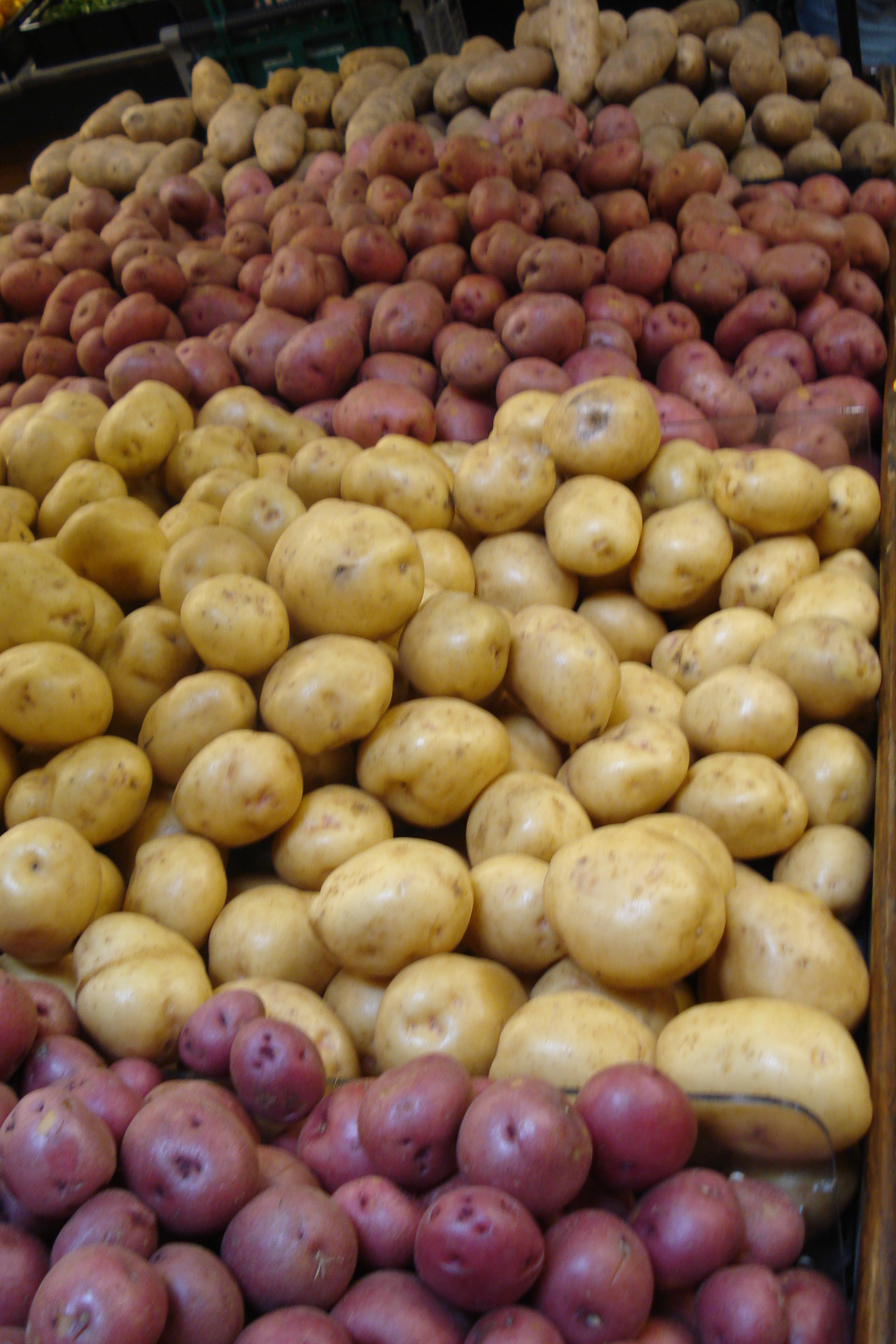
A combination to avoid at a single meal would be a plate with potatoes, corn, beans and a slice of bread. Your body will break down all four as breads, therefore, increasing your blood glucose levels. Whole grain breads are best to use (Aunt Milles Whole Grain, Multi Grain breads are good source and 2 slices equals 1 serving!) also providing protein compared to white breads.

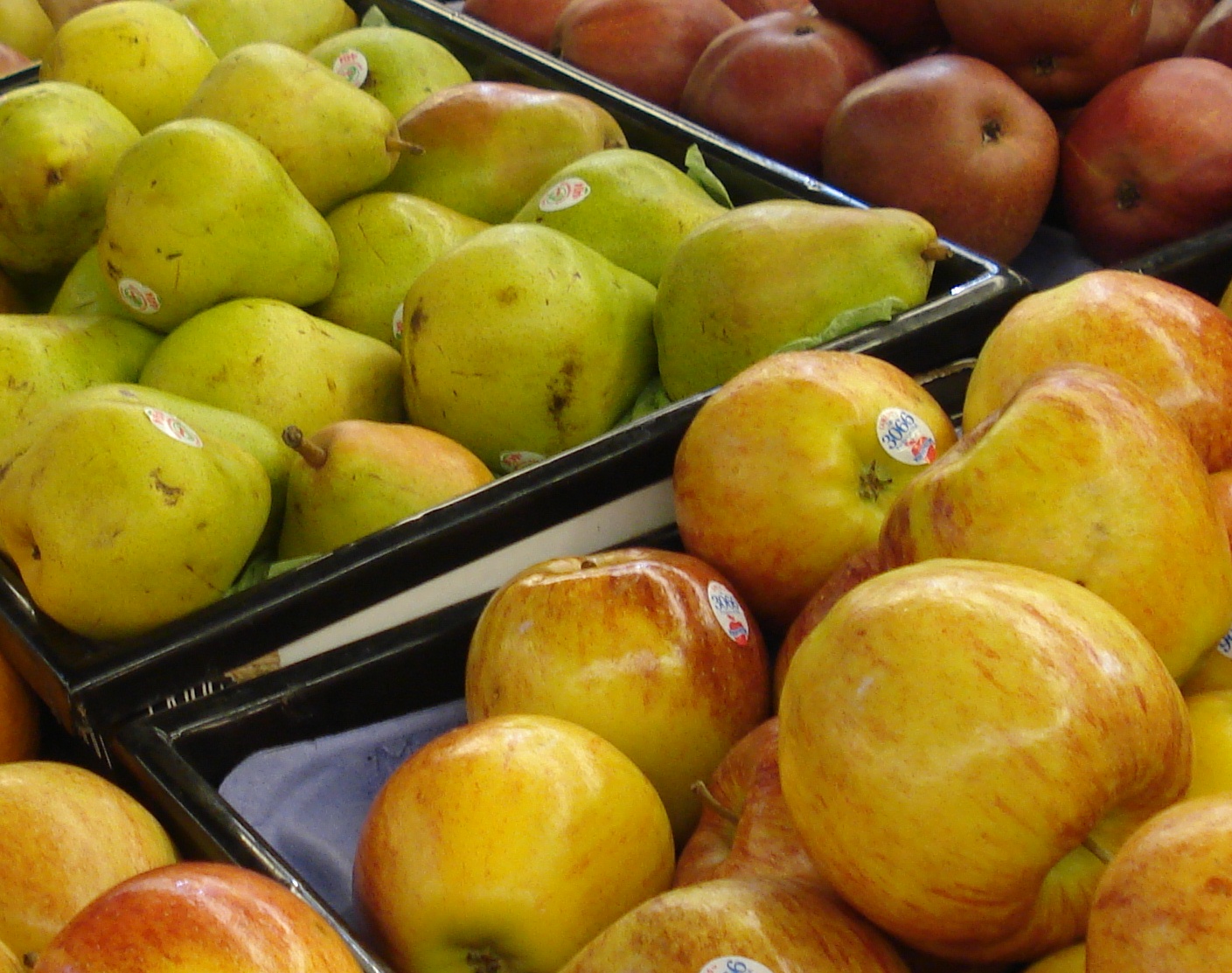
Additionally, root vegetables (beets, potato, yam) are high in fructose content (natural sugar), as are oranges, bananas and pineapples. A better choice would be apples, pears, cherries and plums.

ALL FOODS CAN be eaten, but they must be monitored in serving size and combined properly at meals in order to reduce insulin output, which will result in lowering your blood glucose. Recent studies have shown that Oolong Tea can contribute the pancreas which in turn reduces the insulin output.  You can drink up to  6 cups a day.

Contact your doctor, dietitian or post a message to find out what your meal plan should reflect.
Mens’ daily servings of food could be 1/4 – double of what a daily serving size may be for women.

Daily Servings Per Food Group
Suggested Serving Size
3-4 servings of fruit
1 small fresh fruit, ½ cup canned or dry fruit, ½ cup cup fruit juice
1 ounce of nuts (28-30 individual nuts): Almonds, Walnuts, Hazelnuts, Peanuts, Soynuts

3-5 servings of vegetables
1 cup raw vegetables, ½ cup cooked vegetables, ½ cup tomato or vegetable juice

6-11 servings of breads whole grains, beans, and starchy vegetables (shoot for 6 servings a day) 1 slice bread, (recommend Aunt Millies breads. 2 slices = 1 bread serving!) ½ small bagel or English muffin, 1 6-inch tortilla, ½ cup cooked cereal or pasta

2-3 servings of milk and yogurt
1 cup milk or yogurt

2-3 servings of meat, cheese, fish, and other proteins
2-3 oz. Cooked lean meat, fish or poultry, 2-3 oz. cheese, 1 egg, 1/2 cup Tofu, Nuts

Sparing use of fats, oils, and sweets
A serving of fats and oils can be 1 tbsp. butter, margarine, oil or mayonnaise. A serving of sweets can be ½ cup ice cream or 2 small cookies.

Meal Plan Combining Foods (for optimal glucose levels)
The daily menu follows the theory presented that “All Foods Can Be Eaten, but must be monitored”. Salt is used and also substituted. Sugar is available within the meals, yet limited. Alcohol is allowed, but only a 1/2 glass. (try for every other day routine with alcohol consumption.)
drink plenty of water throughout the day, 64 fl oz or 8 8 oz glasses.

Breakfast
1 cup yogurt
1 slice whole grain bread with pat of butter
1/4 cup berries
1 6 oz c. coffee with sweetner

Snack am
apple
1 ounce nuts

Lunch
1 8 oz. Milk
2 slices bread
2 slices turkey
3 slices tomato
1 lettuce leaf
1 tsp mustard
1 tsp mayo
1 pear
small bag of pretzels

Snack pm
Nutrition Bar
carrot and celery sticks
1 8oz milk

Dinner
Lemon Water
1 5oz glass wine
4 oz fish (baked seasoned with salt substitute, capers, olive and cherry tomatoe slices)
steamed broccoli (tossed in tsp oil, garlic, pepper, Mrs. Dash salt substitute)
baked potato oive oil, rosemary, thyme, pepper, salt
whole grain dinner roll
apricot

Dessert
1 c. orange sorbet
1/2 c. ice cream
small slice of cake

For more information you can contact the call the American Diabetes Association at (800) 232-3472 and select “receive more information about diabetes”.
Diabetic Food Pyramid

By: Kimberly Crocker
http://www.diabetes.org/nutrition-and-recipes/nutrition/foodpyramid.jsp

2000 Cal. Diet Formula

For More Great Articles visit: www.cincychic.com

Many people are interested in Calorie Shifting.  This has proven to be a dangerous diet becasue of the wrong nutrients which are removed from ones diet. A 2000 calorie diet is what the average person is recommended to eat on a daily basis.  This provides an individual with an optimal diet, in which the body receives an adaquate amount of nutrition to keep going throughout the day. 

2000 calories can also seem like alot to a smaller frame individual, or someone who is not active, both which would require less caloric intake. There is a healthy way to determine your caloric intake by removing certain foods without bringing on long term detrimental results to your organs, muscles and bones.

How are calories broken into the amounts for Daily Intake of Carbs, Fat, Protein?
You can easily due this on your own with a bit of practice and understanding of what your caloric intake should be, provided to you by your Doctor or Dietitian.

Carbohydrates are 55% of daily caloric intake.       (2000 x .55= 1100)                Therefore, 1100 calories should consist of :

6 servings of breads,

5 of  servings fruit 

 6 servings of vegetables.                                                                                                                  

Protein is 15% of daily caloric intake.                         (2000 x .15= 300)                          Smaller quantities of:

 2 servings/day 3 oz (card deck size) lean meats and  fish

Nuts (1 oz).
Fat is *30% of daily caloric intake.                              (2000 x .30= 600)                           600 calories should come from fat. EVO Oil, salad dressing, butter.
Mono or Poly Unsaturated Fats come from plants 340 calories
Saturated fat is from animal products less than 260 calories

Carbs                            1100 calories

Protein                            300 calories

Fat                                + 600 calories
Total daily intake =      2000 calories

Fast Food…Cure Liver Disease w Lifestyle Change

If you are asked to name two questions that are routinely raised at any Doctor’s office, most people would correctly respond:
  •  “Do you drink?
  •  “Do you smoke?” 
Even as changes are clearly noted by individual’s with present day increased prices in Health Insurance, how often are patients probed to reflect on a daily routine at a yearly check-up with a medical inquiry of, “How often do you eat fast food?”
 Recent research studies have proven that, A diet high in FAST FOOD consumption  leads to LIVER DISEASE (Cirrhosis, or Cancer)”.  “Fatty liver is the most common liver abnormality in children ages 2-9 years old,” revealed in The Office Journal of American Pediatrics October, 2006.  Liver disease can only be determined by having liver enzymes evaluated through a blood draw at a yearly check-up with ones Doctor.  The good news is that a Lifestyle Change in:  diet,  exercise,  avoidance of alcohollimited sodium intake, and Tea can return a damaged liver to a healthy state.    (Sadly, this is not always the case with liver cancer.)

Once diagnosed with liver disease, your goal is to help the organ return to it’s normal functions, it’s ability to process everything that you eat and drink. A healthy lifestyle can help you feel your best and help your body cope with it’s disease. By eating healthy and doing physical activity in moderation you will:
1. Give your body the energy it needs to work well.
2. Boost your immune system.
3. Help your liver renew itself.

Eat Well
Keep your energy level up by eating smaller meals and snacks more often.  Decrease some of the symptoms and the side effects of any treatments, such as feeling tired and sick by following a healthy diet.

  1. Chew on Fennel Seeds throughout the day (not to exceed 1 tsp!) to unclog the liver. Add Turmeric to your meals . It is become a well known spice in the medicinal world that whose powerful nutrients are known for healing organs.
  2. Carbohydrates(grains, fruits and vegetables)
  3. Fat Healthy oils such as: Extra Virgin Olive, Canola oil, Avocado and Smart Balance oils. Omega 3, 6 reduces the inflammation in the liver: Fish, Walnuts, Flaxseed
  4. Protein: Fish (3 x’s / wk), Poultry, Lean Meat
  5. Salt, canned and processed foods must be limited.
  6. Focus on lower saturated fat choices with each meal.
  7. Drink 6 to 8 glasses of fluids every day.


ENJOY THE HEALING POWER

1. Eat foods high in potassium to offset salt intake. Bananas, Kiwi, apricots, raisins, tomato puree, baked or roasted potatoes, veal and nuts, will all assist in ridding the body of excess sodium.
2. Enjoy light to moderate physical activity, such as walking, swimming, gardening

3.Build up slowly to 30 to 60 minutes of activity, at least 4 times a week.
4. Avoid food poisoning by storing and preparing foods safely. Wash your hands often.
5. Talk to your health care provider if depression affects your ability to eat well.

What your body does not need
1. Avoid alcohol.
2. Avoid foods that contain trans fat. Trans Fat must be 0 grams.
3. Reduce Sodium intake!  No more pretzels , chips, popcorn, french fries, cheese, certain meats, soy sauce and Avoid Sports Drinks.
                                 

Keep in communication with your doctor and dietitian so that neccessary adjustments can be made accordingly to your diet and physical activity plans.

By: K. Crocker

Literature Research

http://pediatrics.aappublications.org/cgi/content/abstract/118/4/1388
http://organtransplant.mc.duke.edu/PDFs/Liver_Pre_3.pdf

http://www.ncbi.nlm.nih.gov/entrez/query.fcgi?db=pubmed&cmd=Retr
http://www.ncbi.nlm.nih.gov/entrez/query.fcgi?db=pubmed&cmd=Retrieve&dopt=AbstractPlus&list_uids=17006918&query_hl=3&itool=pubmed_docsum
http://www.ncbi.nlm.nih.gov/entrez/query.fcgi?db=pubmed&cmd=Retrieve&dopt=AbstractPlus&list_uids=17047295&query_hl=1&itool=pubmed_docsum
http://magazine.wustl.edu/Winter05/SamuelKlein.htm

“Going Banana’s”

The Bountiful Benefits of Banana’s are known to those of us who’ve studied dietetics.  Upon receiving this well put together piece of information, I knew I had to pass it on to the readers of “EAT KNOW HOW”. Thank You to the Psychology Professor at CCNY for giving such a fun and informative article.

“A professor at CCNY for a physiological psych class told his class about bananas.  He said the expression “going bananas” is from the effects of bananas on the brain.”  Read on:

Never, put your banana in the refrigerator!!!
This is interesting.
After reading this, you’ll never look at a banana in the same way again.

Bananas contain three natural sugars – sucrose, fructose and glucose combined with 6 grams of fiber. A banana gives an instant, sustained and substantial boost of energy.

Research has proven that just two bananas provide enough energy for a strenuous 90-minute workout. No wonder the banana is the number one fruit with the world’s leading athletes.

But energy isn’t the only way a banana can help us keep fit. It can also help overcome or prevent a substantial number of illnesses and conditions, making it a must to add to our daily diet.

Depression: According to a recent survey undertaken by MIND amongst people suffering from depression, many felt much better after eating a banana. This is because bananas contain 20.2 mg of tryptophan, a type of protein that the body converts into serotonin, known to make you relax, improve your mood and generally make you feel happier.

PMS: Forget the pills – eat a banana. The vitamin B6 it contains regulates blood glucose levels, which can affect your mood.

Anemia : High in iron, bananas can stimulate the production of hemoglobin in the blood and so helps in cases of anemia.

Blood Pressure: This unique tropical fruit is extremely high in potassium yet low in salt, making it perfect to beat blood pressure. So much so, the US Food and Drug Administration has just allowed the banana industry to make official claims for the fruit’s ability to reduce the risk of blood pressure and stroke.

Brain Power: 200 students at a Twickenham (Middlesex) school ( England ) were helped through their exams this year by eating bananas at breakfast, break, and lunch in a bid to boost their brain power. Research has shown that the potassium-packed fruit can assist learning by making pupils more alert.

Constipation: High in fiber, including bananas in the diet can help restore normal bowel action, helping to overcome the problem without resorting to laxatives.

Hangovers: One of the quickest ways of curing a hangover is to make a banana milkshake, sweetened with honey.. The banana calms the stomach and, with the help of the honey, builds up depleted blood sugar levels, while the milk soothes and re-hydrates your system.
< BR>
Heartburn: Bananas have a natural antacid effect in the body, so if you suffer from heartburn, try eating a banana for soothing relief.  

Morning Sickness: Snacking on bananas between meals helps to keep blood sugar levels up and avoid morning sickness.

Mosquito bites: Before reaching for the insect bite cream, try rubbing the affected area with the inside of a banana skin. Many people find it amazingly successful at reducing swelling and irritation.

Nerves: Bananas are high in B vitamins that help calm the nervous system. 
 

Overweight and at work? Studies at the Institute of Psychology in Austria found pressure at work leads to gorging on comfort food like chocolate and chips. Looking at 5,000 hospital patients, researchers found the most obese were more likely to be in high-pressure jobs. The report concluded that, to avoid panic-induced food cravings, we need to control our blood sugar levels by snacking on high carbohydrate foods every two hours to keep levels steady.

Ulcers: The banana is used as the dietary food against intestinal disorders because of its soft texture and smoothness. It is the only raw fruit that can be eaten without distress in over-chronicler cases. It also neutralizes over-acidity and reduces irritation by coating the lining of the stomach.

Temperature control: Many other cultures see bananas as a “cooling” fruit that can lower both the physical and emotional temperature of expectant mothers. In Thailand , for example, pregnant women eat bananas to ensure their baby is born with a cool temperature.  

Seasonal Affective Disorder (SAD): Bananas can help SAD sufferers because they contain the natural mood enhancer tryptophan.

Smoking &Tobacco Use: Bananas can also help people trying to give up smoking. The B6, B12 they contain, as well as the potassium and magnesium found in them, help the body recover from the effects of nicotine withdrawal.

Stress: Potassium is a vital mineral, which helps normalize the heartbeat, sends oxygen to the brain and regulates your body’s water balance. When we are stressed, our metabolic rate rises, thereby reducing our potassium levels. These can be rebalanced with the help of a high-potassium banana snack.

Strokes: According to research in The New England Journal of Medicine, eating bananas as part of a regular diet can cut the risk of death by strokes by as much as 40%!

Warts: Those keen on natural alternatives swear that if you want to kill off a wart, take a piece of banana skin and place it on the wart, with the yellow side out. Carefully hold the skin in place with a plaster or surgical tape!


So, a banana really is a natural remedy for many ills. When you compare it to an apple, it has four times the protein, twice the carbohydrate, three times the phosphorus, five times the vitamin A and iron, and twice the other vitamins and minerals. It is also rich in potassium and is one of the best value foods around So maybe its time to change that well-known phrase so that we say, “A banana a day keeps the doctor away!”


PS: Bananas must be the reason monkeys are so happy all the time! I will add one here; want a quick shine on our shoes?? Take the INSIDE of the banana skin, and rub directly on the shoe…polish with dry cloth. Amazing fruit !!!  

http://www.nutritiondata.com/facts-C00001-01c20Tm.html