Skillet Scallops & Citrus Almond Salad

Easy Eating. Quick Cooking. 10 minutes to enjoying delicious scallops as an appetizer, or serve them with a Lemon Almond Salad for a light meal.

Skillet Scallops prepared in 10 minutes

Skillet Scallops Serves 4

DIRECTIONS:  Over medium-heat, place oil in skillet pan with minced garlic parsley allow to saute` for 1 minute.

Scallops and Salad for light meal

Add scallops. For small to medium size scallops, allow to cook 2-3 minutes per side.  For large scallops, allow to cook in pan about 3-4 minutes per side. Using a zester, add zest lemon peel (skin without white pith on underside). Add splash of white wine (1/3 cup) in last minute of cooking.


Salad Ingredients

  • 1 Tbsp thinly sliced onions
  • 1  teaspoon balsamic vinegar (glaze provides a sweeter taste)**
  • 1/8 tsp salt and a few red pepper flakes
  • 1 tsp Extra Virgin Olive Oil
  • with a fork combine onions, lemon juice, salt, pepper, olive oil, set aside
  • 6 cups lettuce. Wash, dry and chop lettuce
  • 4 Oranges slices. Peel orange and thinly slice. Half the orange slices
  • 1 Tbsp  nuts of choice: Sliced Almonds, Chopped Walnuts (optional)
  • 1 tsp of sunflower seeds (optional)
  • ** May substitute vinegar with 1 teaspoon of lemon juice.
In a large bowl, combine chopped lettuce, oranges, nuts and sunflower seeds. Add onion mixture. Toss all together.  Serve lettuce onto plate and add 3 scallops per person.

Power Fruit! Ruby Seeds Promote Immune System

Pomegranate Seeds NutritionThe pomegranate fruit is obtained from a tree  that is  native to Southwest Asia and has been cultivated for centuries. The pomegranate has traveled world wide, being  cultivated throughout Afghanistan, Iran, Azerbaijan, Armenia, Turkey, East Indies, Malaysia, tropical Africa and southeast Asia. It was introduced to the US and Latin America in the 18th Century.
     The fruit is typically available from November to February (in the northern hemisphere), while in southern hemisphere, it seasons from March to May. There are more than 750 species that are observed and cultivated all over the world for various purposes from eating to making pomegranate juice.
     The name pomegranate literally means “the apple with many seeds”. The number of seeds in a single fruit varies from 300-1000.

Pomegranates grow on pruned bushes or trees

The lifespan of the pomegranate tree/bush is 200 years, with optimal sweet fruit
production when the tree is15 years old and are therefore pruned so that branches do not exceed 15 years of age.

The pomegranate fruit is ruby colored with many seeds that are juicy and mild flavor. Pomegranate seeds nutrition facts are numerous and strongly encouraged to be part of ones dietary intake as a seasonal fruit.

Health Benefits of Pomegranate Seeds
Often called a super fruit, the invaluable pomegranate seeds are loaded with numerous antioxidant properties that are said to be three times higher than the green tea.   Antioxidants maintain and repair damaged body cells caused by free radicals within the body, that lead to ailments or disease. High amounts of antioxidants are found in fruits, vegetables and teas. Include the pomegranate as part the your daily intake of 4 fruits, 5 vegetables to maximize an intake of antioxidants.

The ruby red seeds are high in vitamin C, vitamin A, folic acid, vitamin E , fiber, potassium, iron and calcium. It is an excellent compliment to the end of any meal that is high in sodium, as the potassium present within this healthful food, assists in flushing excess sodium from the body.  Additionally, this ‘magic fruit’ is a bliss for the heart health, as regular intake of pomegranate seeds or pomegranate juice promotes:

  • Cardio health and reduces risk of strokes and heart attacks.
  • Contributes to proper thinning of the blood, reduce blood pressure levels, increase blood flow towards heart.
  • Maintains good cholesterol levels (so that HDL cholesterol is elevated)
  • Reduces arterial plaque.

Reduces symptoms of:
Anemia (add 1 tsp of cinnamon & honey to 1 cup of 100 % Pomegranate Juice)
Arthritis
Osteoporosis
Skin allergies
Skin disorders
Urinary tract infections
Wheezing linked to asthma
Sore throats
Tapeworms
Digestive disorders
Blood impurities
Anemia
Diabetes
Read on for health benefits of pomegranate juice.

Researchers are carefully observing the effects of pomegranate juice and prostate cancer as well as skin cancer. There are numerous products that are used by the pomegranate seeds including: pomegranate seed oil , pomegranate dietary supplements, pomegranate extracts and pomegranate concentrated juice.

Due to the polyphenols within this wonderful fruit, its nutrients promotes anti inflammatory effects, strengthening the immune system, wound repair and reduces skin wrinkling making it’s derivites the most sought after when addressing skin remedies.

Eat, Drink and Enjoy!

RECIPE

Pomegranate Apple Salad

Red seeds from a Pomegranate
1 Apple diced (remove core)
1/4 c. Feta Cheese crumbled (optional)
Lettuce Leaves: Endive, Rucula  (Arugula), Spinach, Green Leaf Lettuce. Tear into bite size.
Dressing
1/3 c Extra Virgin Olive Oil
2 Tbsp Balsamic Vinegar
1/2 tsp salt
1/8 tsp pepper
1 Tbsp Parmesan Cheese grated

Wash the Pomegranate, Apple and Lettuce leaves. Over a salad bowl, cut Pomegranate into quarter pieces, invert each piece so that the skin is push inward and the seeds com outward. Seeds will easily come out. Make sure to remove white pith that the seeds are attached to, discard pith. Cut apple in half, remove and discard seeds. Cut apple into chunks place into bowl. Add feta cheese and lettuce into salad to salad bowl.
Toss well so that all ingredients are incorporated.

Place all Dressing ingredients into a bottle or bowl, cover tightly, shake ingredients so that they are well combined. Pour dressing onto salad 5-10 minutes before serving.

“No Thank You” to a Cappuccino? What Italian’s Know….

Italian Dining

Think of anything Italian and thoughts of style, class, structure and elegant eating all come to mind!  The world’s love affair with Italy stems from its history of conquerors, navigators, scientists, poets, designers, artists and fast cars. One thing citizens of the world know for sure,  is not to offend the Italian Family Table.

The Italian meal preparation is a piece of art!  The best daily serving of various foods are honorably pursued at the store, prepared at the stove and properly presented upon serving. For 18 years I have observed, participated and taught the Mediterranean Lifestyle.Their meals are planned, purposeful and plentiful. Vegetables are an adventurous delight and fruit in abundance; every plate accentuated by herbs, fresh bread, olive oil and a sip of wine. The Italian dining is a much sought after desire.

Cappuccino for Breakfast

While the etiquette for eating meals are similar between countries, two common questions that leaves one scratching their head are, “You know how Italians don’t drink cappuccino in the afternoon? Culturally, it almost seems taboo, but I was wondering if you knew any scientific or medical reasoning behind it?”

Yes, there is both a cultural and biochemical response to these questions. What is being addressed goes to the structure of the Daily Italian Meal Preparation.

DAIRY intake at Breakfast is a Cafe Latte or cappuccino, (if they’re lucky enough to have a machine).
DAIRY intake at Lunch; 1-2 oz of cheese.
Dinner may or may not have dairy.

Italians do a very good job in cooking with a purpose or eating with intent. If they have already consumed the food in one of their meals why repeat it. Accept for 4 fruits and 5 vegetables daily which assists in digestion…fiber!

From the adorning of the table you are invited to sit down with friends and family to eat a structured Italian Lunch consisting of: Appetizers (bread, cheese, olives, salami, marinated vegetables), Pasta, Entree` (vegetable’s with meat), Fruit, and Desert.

The biochemical perspective makes the meal seem even more cumbersome for the stomach. After a meal a cappuccino physically seems impossible, as it is made with whipped whole milk. The major nutrients of whole milk consist of:

….making your digestive system and liver work harder to break down fat and distribute more calories in addition to the ones already eaten at lunch.
Since any UNUSED ENERGY (calories) is stored as fat in the body within 24 hours, the stomach may already be saying, “STOP”.
So yes, in addition to an Italian lunch, the extra 23% fat becomes a bigger struggle to digest.

Cafe Macchiato

In conclusion, when in Italy enjoy the food and the drinks, but after lunch consider your choices carefully: Cafe Macchiato (a mini cappuccino), or eat a Salad and have a Cappuccino too. Buon Appetito

Written by:
Kimberly Crocker-Scardicchio
DTR Dietitian

All the MORNING FUN for the Italian Lifestyle

Fast Food; Fatty Liver

    How often do you eat “Fast Food in a week’s time?  Is it the best choice, or the easiest way to “Fit A Meal into your day?  Nutrition starts at birth. Life moves forward, “diet” becomes more hectic and evolves from being a way to live, to a way to survive.
     If you are asked to name two questions, routinely raised at any Doctor’s office, most people would correctly respond:
 “Do you drink?”
 “Do you smoke?”
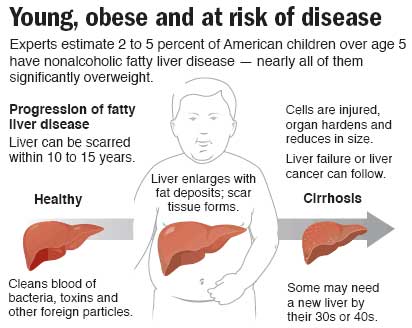
      How often are patients probed to reflect on a daily routine at a yearly check-up with a medical inquiry of, “How many times a week or month do you eat fast food?”  One in five adults are identified with a form of Non Alcoholic Fatty Liver Disease.  It would stand to reason that if the doctor does not ask the patient about their food intake, the patient should be asking for a analysis of their liver enzymes.
 Recent research studies have proven  “A diet high in FAST FOOD consumption  leads to Liver Disease (Cirrhosis, or Cancer)”.  “Fatty Liver is the most common liver abnormality in children ages 2-9 years old,” revealed in The Office Journal of American Pediatrics      October, 2006.
    Liver disease can only be determined by having liver enzymes evaluated through a blood draw at a yearly check-up. Once diagnosed, recommendation’s will be made and a new dietary routine will be followed by the patient.

      Awareness about the quantity and quality of fast food, saturated with salt and boiling oil,

Fast food leads to Non Alcoholic Fatty Liver Disease (NAFLD)

slowly kills the liver of adults and children, is the first critical step in re-thinking weekly meal plans  .

     The good news is that a Lifestyle Change improving on:  what is eaten, increased exercise,  avoidance of alcohol and limited sodium intake can return a damaged liver to a healthier state.

Once diagnosed with liver disease, your goal is to help the organ return to it’s normal functions, it’s ability to process everything that you eat and drink. A healthy lifestyle can help you feel your best and help your body cope with it’s disease. By eating


healthy and doing physical activity in moderation you will:

  1. Give your body the energy it needs to work well.
  2. Boost your immune system.
  3. Help your liver renew itself.


           Eat Well….Enjoy the Healing Power of Food       Keep your energy level up by eating smaller meals and snacks more often. Organs filled with sodium must be flushed with foods high in Potassium: Sweet Potatoes, Baked Potato; Yogurt; Clams, Halibut; Lima, White and Soy Beans: Prunes, Kiwi, Bananas.

  1. Add, 6-8 glasses of water a day will assist in purifying the body from excess sodium and toxin’s.
  2. Enjoy light to moderate physical activity, such as walking, swimming, gardening
  3. Build up slowly to 30 to 60 minutes of activity, at least 4 times a week.
  4. Avoid food poisoning by storing and preparing foods safely. Wash your hands often.
  5. Talk to your health care provider if depression affects your ability to eat well.

Decrease some of the symptoms and the side effects of any treatments, such as feeling tired and sick by following a healthy diet.

  1. Carbohydrates: Whole grains, fruits and vegetables
  2. Fat: Healthy oils such as: Extra Virgin Olive, Canola oil, Avocado and Smart Balance oils. Omega 3, 6 reduces the inflammation in the liver: Fish, Walnuts, Flaxseed
  3. Protein: Fish (3 x’s / wk), Poultry, Lean Meat

What your body does not need 
1. Avoid alcohol.
2. Avoid foods that contain trans fat. Trans Fat must be 0 grams.
3. No more pretzels , chips, popcorn, french fries, cheese, certain meats, soy sauce and Avoid Sports Drinks. Salt, canned and processed foods must be limited.

Tasty fast food can happen in your own kitchen! After reflecting on the latest research consider preparing any of these healthy 7 Easy Recipes under 7 minutes!

Keep in communication with your doctor and dietitian so that neccessary adjustments can be made accordingly to your diet and physical activity plans.

By: K. Crocker

Literature Research
http://pediatrics.aappublications.org/cgi/content/abstract/118/4/1388
http://organtransplant.mc.duke.edu/PDFs/Liver_Pre_3.pdf
http://www.ncbi.nlm.nih.gov/entrez/query.fcgi?db=pubmed&cmd=Retr
http://www.ncbi.nlm.nih.gov/entrez/query.fcgi?db=pubmed&cmd=Retrieve&dopt=AbstractPlus&list_uids=17006918&query_hl=3&itool=pubmed_docsum
http://www.ncbi.nlm.nih.gov/entrez/query.fcgi?db=pubmed&cmd=Retrieve&dopt=AbstractPlus&list_uids=17047295&query_hl=1&itool=pubmed_docsum
http://magazine.wustl.edu/Winter05/SamuelKlein.htm

Herb’s & Spice’s to Replace the Salt Shaker

…. After all, “variety is the spice of life”.

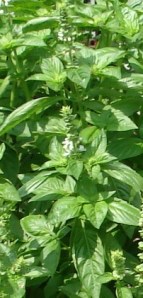
Add chopped basil to flavor vegetable dishes

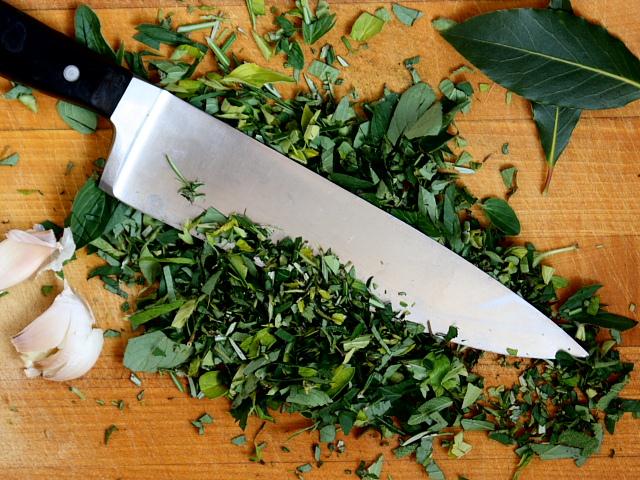
Freshly grown and cut herbs placed in a vase filled with water adds beauty and a wonderful scent to the kitchen. Keep the herbs within hands reach makes it easy for the cook to chop and provides flavor to dishes while reducing sodium.  Herbs when added to any dish, accent’s and brings out the best from vegetables and meats. Consider making some changes to your meal preparation; buy spices and always keep a bouquet of garden fresh herbs within hands reach ready to be enjoyed.
Recipe Ideas

Spices (1/2 -1 teaspoon)
Allspice, Cumin, Paprika, Red Pepper Flakes Saffron, Tumeric

Herbs (1-2 Tablespoon)
Basil,  Cilantro, Ginger, Marjoram, Mint, Oregano, Parsley, Rosemary, Sage, Thyme , Garlic, Onion

Sauces:

  • Excellent combination for any tomato base: Oregano, Garlic, Parsley, Red Pepper flakes, EVOO
  • Ragu base tomato sauce with or without meat. Chopped Onion, 6-10  Basil leaves, EVOO
  • Cream sauce: Chopped sage, 1/2 c. onion, 1 minced garlic, cracked pepper
  • Spaghetti Sauce
  • Michelangleo Sauce

Soups:

  • 1 tsp Tarragon, 1 tsp Red Pepper Flakes, 1 square inch cheese Rind from the end of Parmesan Cheese added to any soup. Allow to simmer for 45 minutes.
  • With a 2 tbsp olive oil combine equal parts of ROSEMARY, SAGE, THYME, to a GARLIC clove, half ONION for your favorite beans. • Try any of these herbs in your steamed vegetables or in soups.
  • Choose from 1/2 tsp Mint, Lemon Zest, or Dill are great in rice with vegetables and kidney beans, or in dips with yogurt and low fat sour cream.
  • 1 tsp chopped Chives and 1 tsp parsley are great on top of salad, soup or baked potato. They are also good in dips with yogurt and sour cream.
  • Fava Bean Soup
  • Creamy Zucchini Soup

•  For a delicious Pot Roast choose a group of seasonings, rub onto meat, place into a covered dish or closed plastic bag, allowing to absorb flavors for 4+ hours then prepare according to roasting time.

Herbs releases a wonderful aroma adding great flavors to your meals.

•  Chicken and Turkey

Choose group of seasoning and herbs and rub onto Chicken and Turkey

  • 1 tsp Turmeric, 1 tsp Marjoram, 1 minced  Garlic Clove, 1 Tbsp Extra Virgin Olive Oil .
  •  Zest of 1 Lemon and 1 Orange, 1 Tbsp chopped mint, 1 Tbsp Extra Virgin Olive Oil
  •  1 Tbsp chives, 1/2 tsp Oregano, 1 minced Garlic clove,  1/2 c. chopped onion, 1/2 tsp Cumin, 1 Tbsp Extra Virgin Olive Oil with tomatoes (tomato sauce), rice, black beans and corn for a delicious Spanish flavor.
  • Chicken and Dumplings (reduced-sodium)
  • Pork Roast and Vegetables
Steak  Marinade steaks in 1/4 c balsamic vinegar to tenderize the meat, adding a bit of 1/8 tsp salt, pepper and dried/chopped mint leaves
Wine Substitute
3/4 cup wine can be substituted with1/2 cup apple cider vinegar or red wine vinegar and 1/4 cup water.
Fish
  • • Place fish onto a large aluminum foil. In the center of fish place 5-10 leaves of parsley, 4 garlic slices, 1/4 tsp red pepper flakes. Completely cover fish and seal aluminum, place into oven and bake on 350 for 20 minutes.
  • Tuscan Cacciucco Fish Stew

Tips to reduce sodium:
Table Salt
Omit salt or reduce salt by ½ in most recipes (except in products with yeast). Cook foods without adding salt.
Don’t put the salt shaker on the table: try pepper, or Mrs Dash salt substituteFrozen or canned vegetables
Choose frozen vegetables without sauces or use no-salt-added canned goods. Rinsing canned vegetables will help reduce sodium.Seasoning Salt or spice mixes with salt
Use salt-free seasonings and spice mixes, herbs, spices, lemon juice, vinegar, mustard, garlic or Chile peppers to flavor food instead of salt.

Seasonings high in sodium include: catsup, chili sauce, chili powder, bouillon cubes, barbecue sauce, soy sauce, Worcestershire sauce, and meat tenderizers.