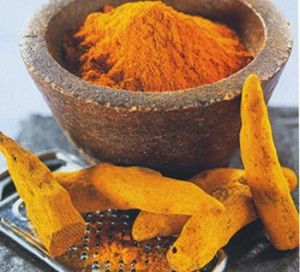
Turmeric & Saffron to Cleanse & Heal Body

Turmeric cleanses the body

Go for it….Spice up your life!  Scientific research has revealed what the people of India have known for centuries! Turmeric and Saffron, whether combined with pharmaceuticals, or taken by themselves, cleanse the skin and cure what ails you; both spices functioning as natures prized antibiotics.

Turmeric and its cousin Saffron contain a polyphenol called “curcumin”, an  antioxidant that is associated with reducing nutrition related pathologies. They are bland tasting, turmeric has a rich yellow color that we associate with “Curry”  and saffron is orange and string-like. These wonderful seasonings are slowly taking on the health importance that they deserve.

Studies have determined that “Curcumin” impacts health as an: “antioxidant, anti-inflammatory, antiviral, antibacterial, antifungal, and anticancer activities and thus has a potential against various malignant diseases, diabetes, allergies, arthritis, Alzheimer’s disease, and other chronic illnesses.

The positive impact of the medicinal properties are mediated through the regulation of various:  transcription factors, growth factors, inflammatory cytokines, protein kinases, and other enzymes”, states The University of Texas MD Anderson Cancer Center. They further attest curcumin to be the “Spice of Life” saying that, “Curcumin exhibits activities similar to recently discovered tumor necrosis factor blockers (e.g., HUMIRA, REMICADE, and ENBREL), a vascular endothelial cell growth factor blocker (e.g., AVASTIN), human epidermal growth factor receptor blockers (e.g., ERBITUX, ERLOTINIB, and GEFTINIB), and a HER2 blocker (e.g., HERCEPTIN).”   All evidenced in the country of India which has been duly of having lower occurrences of heart disease and cancer.

Saffron comes from the crocus flower

Many comparisons have shown that individuals who leave India are diagnosed with a health disease, not otherwise documented in previous family history, after moving into a western society.  Duly noted, the main difference in dietary intake was a lower to “no” amounts of turmeric being consumed in their meals.

Turmeric is not as costly as saffron and is readily available with other herbs and seasonings in stores, or in 300 mg capsule form in the vitamin and mineral grocery isle.

Introducing turmeric into meal preparation is very easy to do. 1 teaspoon added to rice, pasta, potato’s, soups and vegetables are good ways to switch from the salt shaker to a healthier spice that heals and makes your body work and function better. Saffron is more costly and commonly used in the Italian dish Risotto Milanese, however, it also provides the same healing benefit as its close relative.

MANY HOME REMEDIES USING TURMERIC

  • With a few grains, turmeric’s antiseptic properties help to heal cuts, wounds, kitchen burns and abrasions. Make a paste of Turmeric and Raw Honey; 1 teaspoon honey and 1 teaspoon turmeric.  Adjust amount to wound, apply to wound and cover with a gauze. 3 x’s/day.
  • Gently rub a small dusting of turmeric onto area of face to reduce facial hair growth. Massage into skin with a dampened tea bag.
  • A mixture of 1 teaspoon turmeric and 1/4 cup yogurt rubbed onto the abdomen to reduce stretch marks during pregnancy. Rinse off after 5 minutes.
  • Added 1/4 teaspoon to individual meals through out the day, keeps various diseases a bay.
  • Mixture of 1/4 teaspoon turmeric, 1/8 teaspoon salt and 1/2 teaspoon mustard oil rubbed into gums to combat gum infections. Rinse with warm water.
  • Accredited for reducing anemia and sore throats by eating a paste made of 1 teaspoon raw honey & 1/4 teaspoon of turmeric. 3 x’s/day.
  • Stop diarrhea by drinking, 1/4 teaspoon turmeric to 1 glass of water
  • Sick with an infection? Combine: glass of milk  and stir in 1/2 teaspoon turmeric , 1 teaspoon honey. Drink this natural antibiotic 2 times a day.
  • Medicinal use for pathologies have duly noted an intake of 1-2 teaspoons of turmeric  3x’s a day inhibits growth of tumors, improves function of pancreas, reduces incidence of heart attack.
  • Combat GERD or “Acid Reflux” by consuming 1/8 teaspoon turmeric (a 300 mg capsule) before dinner. Also consider Fast Relief: Fennel Seeds Combat Digestive Problems and

Gas Pains Drink Lemon Water

  • Heal Acne by combining in a bowl 1/2 tsp water, 1/4 tsp turmeric and 1/8 tsp salt. With a cotton ball gently dab a small amount of  paste onto acne and allow skin to absorb ingredients overnight. In the morning, gently cleanse to remove and refresh skin.
For modern western medicine practices, the excitement around the ancient asian spices brings hope on the horizon for how meal preparation can enhance an individuals overall health. The many benefits of polyphenol curcumin are continuously being researched: Inflammation, Arthritis, Irritated Bowel Syndrome, Kidney Disease etc. Present studies  have shown that curcumin inhibits the proliferation of tumor cells in cultures, human and animal studies. Curcumin’s many strengths and limitations are being seriously explored and are bringing new opportunities to healing ones body.
By, Kim Crocker-Scardicchio
Recipes

Lentil Soup
Replace the Salt Shaker
Chicken Curry
Pork or Beef Roast with Vegetables
Risotto Milanese
Spices to Lower Inflammation
Health Benefits of Saffron

References
 1.  Food Chem Toxicol. 2011 Aug;49(8):1834-42. Epub 2011 May 6.
 Safety Assessment of a Solid Lipid Curcumin Particle Preparation: Acute and Subchronic Toxicity Studies.
 Dadhaniya PPatel CMuchhara JBhadja NMathuria NVachhani K Soni MG.
 Pre-Clinical Department, Cadila Pharmaceuticals Ltd., Dholka 387 810, India.
 website:  http://www.ncbi.nlm.nih.gov/pubmed?term=benefits%20turmeric%20body
2  .Best Pract Res Clin Gastroenterol. 2011 Aug;25(4-5):519-34.
 Curcumin: The Potential for Efficacy in Gastrointestinal Diseases.
 Irving GRKarmokar ABerry DPBrown KSteward University of Leicester, Department of Cancer Studies, Room 503, Robert Kilpatrick Clinical Sciences Building, Leicester Royal Infirmary, Leicester LE2 7LX, UK.
 website:  http://www.ncbi.nlm.nih.gov/pubmed/22122768
3. J Fam Pract. 2011 Mar;60(3):155-6.
 Clinical Inquiry. Does turmeric relieve inflammatory conditions?
 White BJudkins DZ.
 Oregon Health & Science University, Family Medicine, Portland, USA.
 website:  http://www.ncbi.nlm.nih.gov/pubmed/21369559
4.  Anticancer Agents Med Chem. 2011 Oct 25. [Epub ahead of print]
 Curcumin and its Formulations: Potential Anti-Cancer Agents
 Zhu HLJi JLHuang XF
 zhuhl@nju.edu.cn.    http://www.ncbi.nlm.nih.gov/pubmed/22044005
5. Nutr Cancer. 2010;62(7):919-30.
 Curcumin, the golden spice from Indian saffron, is a chemosensitizer and radiosensitizer for tumors and chemoprotector and radioprotector for normal organs.
 Goel A
 Aggarwal BB
 Department of Internal Medicine, Baylor University Medical Center, Dallas, Texas, USA.
6. Curcumin; Indian Solid Gold http://www.ncbi.nlm.nih.gov/pubmed/17569205
Lentil Soup with Nature’s Antibiotics

Lentil Soup w Natures Antibiotics

Lentil soup with reduced sodium and increased flavors! A favorite for the winter season.
This particular recipe adds Turmeric and Cilantro, both are credited for their antibacterial healing properties, boosting the immune system and curing what ails you! Delicious!
Serves 6+

  • 1/4 cup Olive Oil
  • 1 Carrot diced (not necessary to peel)
  • 1 Celery halved and sliced
  • 1 onion diced
  • 2 garlic cloves minced
  • 1/4-1/2 tsp red pepper flakes (or Cumin for a Middle Eastern flavor)
  • *8 oz Dry Lentils (225g)
  • **5-6 cups water
  • 1 tsp Turmeric (optional)
  • 2 Tbsp Chopped Cilantro (or torn leaves) or 1 Tbsp dry cilantro
  • **1 tsp salt

*For 28 oz canned lentils; drain, rinse for 1 minute & add to recipe
** May substitute water with brand name “Imagine Low Sodium Broth”. FYI, the lentils may not need additional salt if using pre-made broth.

Over medium heat place a large sauce pan and add olive oil, diced carrot, celery, onion and minced garlic. Allow to saute` for 5 minutes. Reduce heat to low. Add red pepper flakes (or cumin) and dried lentils. Stir. Add water, the lentils will absorb about 1/3 of the water. Lentils should be monitored for additional water after 25 minutes and add another 1 cup if needed. Cover with a lid slightly cracked propped with a wooden spoon. Allow to simmer for a total of 30 minutes. Stir in Turmeric until well blended, about 20 seconds. Remove from heat and serve.
Ladle lentil soup into individual bowls, placing into center 1/2 tsp of chopped cilantro into each bowl.

LS DASH Diet, Reduce Sodium Intake

“Dash Diet”

Avoid eating canned food high in sodium. Instead, choose fresh or frozen foods.

The average American presently consumes 5-8 tsps of salt per day! This is extremely dangerous in the long run for your organs, but specifically for the heart and kidneys.

Dietary Approaches to Stop Hypertension(DASH), or a low sodium diet is  an easy lifestyle to adapt by limiting salt intake to 1-2 tsp’s per day & add potassium to provide balance and flushing out excess sodium with:

Meals with vegetables, fish and fruit help reduce sodium levels

  • Fresh Fruit
  • Fresh Vegetables
  • Legumes (dried, cooked at home, seasoned: garlic, onion, rosemary)
  • Fresh Fish.
  • 6-8 Glasses of water or tea.

Following the Mediterranean or DASH Diet gives a person the proper amounts of food consumed at each sitting therefore reducing risk of hypertension for an individual.  There are a variety of Salt Substitutes on the market.   Mrs. Dash is commonly used and a favorite of most, does come in a variety of flavors. However, vegetables tossed and sauteed in olive oil with fresh herbs and fish or meats prepared with spices and herbs, add flavor and reduce sodium. Obtain more ideas on how to use Herbs and Spices to Replace the Salt Shaker

Fluids are equally important to a successful diet.  Lemon Water made with 1/2-1 freshly squeezed lemon in a glass of water each day, an additional source of potassium to rid the body of excess sodium . Foods to restrict if instructed to follow a Low Sodium Meal are: Carrots, Celery, Spinach, Beets.  Additional tips:

  • Stop consuming tap water that is conditioned with a water softener
  • Drink bottled water and Green, Black or White Tea
  • Rinse all canned foods really well before preparing them. Quick rinse reduces sodium by 41%. 3 minute rinse reduces sodium by a higher percent.
  • Read food labels. Buy pre-packaged foods with mg of Potassium  should be higher than mg of Sodium.

Meal Plan Low Sodium (LS)

Breakfast
Bread or Cereal…. Oatmeal (Instant “Heart Healthy Advanced Nutrition” LS and high Potassium)
Fruit…………………..apple, orange, kiwi, banana, dried apricots, prunes, raisins
Orange Juice or skim 1% Milk.

Snack am
Fruit

Lunch
Vegetable……………cole slaw
Vegetable……………LS Cream of potato soup, baked sweet potato
Meat…………………..meatloaf with LS Gravy (3 0z). grilled or baked salmon, fish
Vegetable…………..twice baked potato and steamed green beans
Bread…………………wheat Roll
Dessert……………..orange sherbet, pears, plums

Snack pm 
Fruit…………………..(Choose 1) banana, Kiwi, orange, seasonal fruit
Milk…………………. ..4-6 oz low or nonfat yogurt

Dinner
Meat……………….,,seasoned Chicken Breast (3 oz)  (turned in freshly chopped herbs and garlic)
Bread……………….sesame seed multi grain bun,
Vegetable………….Lettuce, tomato and onion (cooked or raw)
Vegetable……….. .soup Lima or white beans, salad with avocado, beets, spinach
Fruit…………………fruit, melon……………LS apple pie

References

5 Steps to “Cleanse” & Improve Lifestyle

Cleansing, Purifying, Renewal.  All good words that make us feel positive about making a change in our lives, words that tie us to a commitment to do better while paying attention to nutritional intake.

“Must foods” to add to any new meal plan

  • Colorful
  • Consumed multiple times throughout the day
  • Contain fiber and water

Carbon that hydrates the body, otherwise known as Carbohydrates. Improve dietary intake by loading up on fruits and vegetables that will contribute to renewed health.

Red Vegetables to reduce risk of prostate cancer.

Vegetables and fruits that are red in color contain lycopenes, (fiber, Vitamin C, quercatin, ellagic acid, hesperidin) all which actively protect the colon from prostrate cancer, lower LDL cholesterol, lower blood pressure, slow tumor growth, rid free radicals from the body and in some cases protect joints from arthritis.

Red, Blue & Purple foods to keep stroke and brain disease at bay.

Fruits that are: red, blue, or purple contain some of the same key players as the red foods have and are called anthocyanins. Their value protects the brain, improves memory and immune system, reduces LDL cholestrol, are anitcarinogens and protect the digestive tract, assist calcium and mineral absorption across the digestive tract, reduce inflammation and cancer cells.

Foods orange and yellow in color improve vision and skin

Orange and Yellow Fruits are known as carotenoids, high in Vitamin C (citrus fruits) & Vitamin A, potassium. Cleansing of organs from sodium, promote alkaline balance and vision, reduces LDL cholesterol, blood pressure and risk of macular degeneration, promote collagen formation and has magnesium and calcium to improve bone.

Green Veggies for folate to improve brain, skin and liver

Green Vegetables are filled with chlorophyll, calcium, folate, Vitamin B.
Important for a healthy liver, skin, and colon, reduces risk of cancer,improves retinal health reducing risk of cataracts, macular degeneration and birth defects.

White foods boost immune system


White foods contain: anthoxanthins, allicin, beta carotene, lignans all improve immunity activating B & T-cells, balance hormone levels, lower blood pressure and improve blood circulation.

Cleansing and detoxifying are ideas and terms not encouraged by dietitians. Often times fads are spun off of an idea or word without realizing the negative effects on the body and organs such as loss of lean muscle, lack of nutrients for strengthening bone and muscle. The stomach is not reduced in the long run and upon food introduction, the lipid cells expand more easily. Lastly, no new habits or practices have formed to consciously eat with intent nor cook with a purpose.

When adopting a new dietary lifestyle, follow these 5 tips to success and notice the proper cleansing and renewal of health that your body is longing to experience:

  • Eat 4 fruits
  • 5 vegetables  a day
  • Drink 6-8 glasses of water/tea
  • Reduce salt intake by 1/2
  • Walk 30 = minutes each day.
By:  Kimberly Crocker-Scardicchio
References

Compare and Contrast the Vegan Lifestyle

More and more Americans are pursuing a vegan diet. While many benefits may come from reducing serving sizes, one should carefully consult with their Doctor and a Dietitian in order to better understand their own  biochemical make-up before taking up a Vegan Lifestyle.
Let’s begin by examining a Vegan Lifestyle. Vegans, like vegetarians, never eat meat. But vegans are stricter, shunning not only meat, but fish and shellfish (which some vegetarians will eat), eggs, milk and other dairy products — any food with an ingredient coming from: an animal,  a cow, or an insect. (Insects? Yes. For example, cochineal, which makes many red food dyes, has only recently been required to be listed on ingredient labels, but it’s always been made from insects.)  Vegans and vegetarians have to take special care to get enough vitamin B12 and protein, but like anyone, they can get all the nutrients they need from a varied diet of plants and grains, which must be consumed in one meal in order to achieve maximum intake of required protein.

Here’s a look at some more of the foods avoided by vegans:
1. Meat. All meats.
2. Fish and shellfish. No shrimp,  fried fish stick, nor wild Alaskan Salmon.
3. Dairy products. No milk and yogurt to cheese and butter.
4. Eggs. No mayonnaise or anything made with eggs (yes, most brownies and cakes, too!).
5. Honey. Bees are animals who make honey; it is therefore not part of the vegan diet.
6. White sugar. Some white sugar is processed with bone char. (PETA) No sugar.
7. Most beer. Guinness is filtered using tiny amounts of gelatin derived from fish bladders.  While some beers are vegan, others are filtered using egg whites or sea shells.
8. Some breads. While many simple breads, containjust four ingredients (flour, yeast, water, and salt) other types of  breads and baked goods are made with whey (a dairy product) or with butter, eggs, or sugar.
9. Marshmallows. These and other foods, like gummy candies and Frosted Mini Wheats cereal, are made with gelatin — a protein made from boiling skin, bones, and other animal parts. Surprisingly, though, a lot of junk food qualifies as vegan, even if it is unhealthy.
10. Salad dressing. Salads are great for vegans, but not necessarily the dressing. Scan the ingredient list, and you’ll often find lecithin, which helps keep oil and vinegar from separating, and can be derived from animal tissues or egg yolk.

Vegan Diet  

At the top of the pyramid in small amounts. Protein: Nuts, Seeds, Flax SeedsVitamin B 12, Legumes
Second Level: Dark Green Vegetables, Soy, Tofu
Third Level: All fruits and Vegetables
Fourth Level in larger amounts:  Whole Grains, Wheat Germ

If choosing to pursue the Vegan Lifestyle after a medical consultation, meet with a Dietitian who can counsel and establish a meal plan that meet the body’s nutritional needs; expect the following area’s to be reviewed before prescribing a new meal plan.
1. Fish (healthy fat) are a strong source of Omega-3, Phosphorous and Calcium, assists in keeping organs or wound healing, healthy, increases HDL and reduces inflammation in the body brought on by stress.
2. Red Meats (protein), Whole or Multi-Grain Breads (carbohydrates) promote HDL and reduction in plaque build up. They are an excellent source of Vitamin B in which the brain and central nervous system gets much of their nourishment.

Saturated fats need to be consumed in reduced amounts

3. Eggs (protein) contain the secret for complete protein. An egg holds all 21 amino acids,which are protein building blocks critical for maintaining healthy skin, eyes, nails, hair, organs, muscles, bones etc.
4. Dairy products provide Vitamin A, D, B12, Calcium, Phosphorous, Riboflavin all contributors of healthy: brain, bones, enzymes, skin, red blood cells (avoid anemia).
5. Honey has wound healing and antibacterial capabilities. Know also for reducing swelling, sore throats and boosts the immune system.

While the benefits of the vegan diet is advantageous in that the focus on fruits and vegetables are abundantly consumed, one should carefully consider how to replace necessary vitamins and minerals before taking on a new lifestyle.

Kim Crocker-Scardicchio