Health Benefits of Saffron

Health benefits of Saffron make it amongst the most common, sought after, researched spices.  The red colored spice  (yellow when interacting with food) has shown to be a key ingredient in healing the body,  including  its help in the treatment of a number of medical ailments such as: depression, macular degeneration, weight loss, asthma, menstrual discomfort.

With a botanical name  of Crocus Sativus  and commonly called saffron, this wonder spice is sought after from Europe to the Middle East.  Iran is the world’s largest producer of saffron which has researched saffron’s potential medicinal use specifically on how it reduces depression. The research at the Roozbeh Psychiatric Hospital in Tehran University of Medical Sciences,  has found saffron to be a safe and effective antidepressant (due to carotenoid alpha-crocin).  Research preformed in Germany has confirmed the results.

While the University of Sydney Australia and  University of L”Aquila Italy have focused on improving the retina as related to macular degeneration through the consumption of Saffron Supplements.  After 3 months of ingesting the saffron the patients had considerable improvement in their vision.

Researchers in France had hypothesized that by improving ones mood through taking a saffron supplement, one could lose weight.  The results showed that in fact by improving ones mood and reducing depression that weight loss could be achieved.

Additional information has confirmed that saffron also totes the ability to ease stomach aches, kidney stones and alleviate bronchial constriction.

Saffron’s medicinal attributes come from minerals and vitamins: copper, potassium, calcium, manganese, iron, selenium, zinc and magnesium.  Cartoenoids: α-crocin, zeaxanthin, lycopene, α- and β-carotenes; all  important antioxidants helping to protect a body from oxidant induced stress, cancers and infections. Vitamin A, folic acid, riboflavin, niacin, vitamin-C.

Saffron supplements have been found to be effective in studies, however, caution is advised if encountering any of the following:  nausea, vomiting, appetite loss or drowsiness. Consult a doctor if more serious side effects occur such as persistent vomiting, blood in the urine or stool’s, nosebleed or dizziness. These may all be signs of a saffron overdose. Use of saffron must be avoided by those with liver or kidney disease, allergies and bipolar disorder. Pregnant and breastfeeding mothers should also check with a doctor before using saffron.

Kim Crocker

Research Studies

http://www.itmonline.org/articles/saffron/saffron.htm
http://www.ncbi.nlm.nih.gov/pubmed/15341662
http://www.ncbi.nlm.nih.gov/pubmed/17704979 http://www.abc.net.au/pm/content/2010/s2805356.htm
http://www.ncbi.nlm.nih.gov/pubmed?term=weightloss%20saffron
http://www.nutrition-and-you.com/saffron.html
http://www.ncbi.nlm.nih.gov/pubmed/15341662

Tuscan Home Remedy for Colds

Passed on from Tuscan natives to tourists and expats alike, this home remedy is tried and proven and will quickly heal those who are ailing from cold ailments, if  utilized multiple times throughout the day.  The idea behind the vapor treatments (done with vinegar and baking soda) is to disturb the present environment of the where the mucus is growing and a virus is thriving. Results after the first 2 treatments are immediately noticeable. This treatment is accepted by Doctor’s when addressing cold’s, however, should still be under advisement.  Often time’s when healing sinusitis and bronchitis, inhalation of vapor combined with eucalyptus drops may also be recommended.
Ingredients
6 cups Boiling water
1-2 Tea Bags
1/3 cup White or Apple Cider Vinegar
2 Tablespoons Baking soda
Have a large towel ready to create a tent as you cover your head over pan to capture and concentrate as many hot vapors as possible while inhaling.
1.  Boil 6 cups of water in medium to large size pan. Turn off stove and Remove pan placing it on to a hot pad on the  table.
2.  Add 1-2 Tea bags (Te`) to hot water in pan
3.   1/3 cup white or apple cider vinegar (Aceto or Aceto di Mela  to hot water)
4.   Cover head with a towel as to keep vapors inside tent,
5.  THEN slowly ADD 2  Tablespoons  Baking Soda (Biocarbinato)
6.   With mouth open inhale vapors that rise up. The first 10 seconds of inhaling the vapors are most important so don’t remove yourself from the bubbling reaction.
7  Utilizing the same pan of hot water, Repeat treatment 2 more times every 3 minutes by adding 1/4 cup vinegar and an additional 2 Tablespoons of Baking Soda. Your total first treatment will be for about 10 minutes.
Repeat 4-6 times throughout the day, may need to repeat for 2-3 days as needed.

ADD TO YOUR DAILY ROUTINE:
1.  Squeeze as much of the juice of a lemon as possible into a glass.  Fill the rest of the glass with water.  Over 20 minutes time consume the lemon water. The vitamin C and antioxidants from the lemon will contribute to strengthening ones immune system.
2.Eat oranges and grapefruit to maximize vitamin C intake.
2.  To Suppress coughing consume 4-6 tablespoons of honey throughout the day.
3.  Drink hot Green, Black or White Tea throughout the day. 6-8 cups to keep body hydrated; additionally, the polyphenols from the tea will combat the virus that the body is fighting against.
4. Gargle with salt water. 1/2 glass of water, 1 Tablespoon salt, stir together . Gargle mouthful’s of water at a time towards back of throat. BE CAREFUL not to swallow water.

Kimberly Crocker

Vegan Diet, Is it for You?

More and more Americans are pursuing a vegan diet. While many benefits may come from reducing serving sizes, one should carefully consult with their Doctor and a Dietitian in order to better understand their own  biochemical make-up before taking up a Vegan Lifestyle.
Let’s begin by examining a Vegan Lifestyle. Vegans, like vegetarians, never eat meat. But vegans are stricter, shunning not only meat, but fish and shellfish (which some vegetarians will eat), eggs, milk and other dairy products — any food with an ingredient coming from: an animal,  a cow, or an insect. (Insects? Yes. For example, cochineal, which makes many red food dyes, has only recently been required to be listed on ingredient labels, but it’s always been made from insects.)  Vegans and vegetarians have to take special care to get enough vitamin B12 and protein, but like anyone, they can get all the nutrients they need from a varied diet of plants and grains, which must be consumed in one meal in order to achieve maximum intake of required protein.

Here’s a look at some more of the foods avoided by vegans:
1. Meat. All meats.
2. Fish and shellfish. No shrimp,  fried fish stick, nor wild Alaskan salmon.
3. Dairy products. No milk and yogurt to cheese and butter.
4. Eggs. No mayonnaise or anything made with eggs (yes, most brownies and cakes, too!).
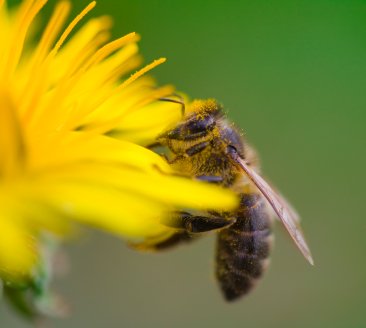
5. Honey. Bees are animals. Bees make honey. Honey is therefore not part of the Vegan diet.
6. White sugar. Some white sugar is processed with bone char. (PETA) No sugar.
7. Most beer. Guinness is filtered using tiny amounts of gelatin derived from fish bladders.  While some beers are vegan, others are filtered using egg whites or sea shells.
8. Some breads. While many simple breads, containjust four ingredients (flour, yeast, water, and salt) other types of  breads and baked goods are made with whey (a dairy product) or with butter, eggs, or sugar.
9. Marshmallows. These and other foods, like gummy candies and Frosted Mini Wheats cereal, are made with gelatin — a protein made from boiling skin, bones, and other animal parts. Surprisingly, though, a lot of junk food qualifies as vegan, even if it is unhealthy.
10. Salad dressing. Salads are great for vegans, but not necessarily the dressing. Scan the ingredient list, and you’ll often find lecithin, which helps keep oil and vinegar from separating, and can be derived from animal tissues or egg yolk.

Vegan Diet  

At the top of the pyramid in small amounts. Protein: Nuts, Seeds, Flax Seeds, Vitamin B 12, Legumes
Second Level: Dark Green Vegetables, Soy, Tofu
Third Level: All fruits and Vegetables
Fourth Level in larger amounts:  Whole Grains, Wheat Germ

If choosing to pursue the Vegan Lifestyle after a medical consultation, meet with a Dietitian who can counsel and establish a meal plan that meet the body’s nutritional needs; expect the following area’s to be reviewed before prescribing a new meal plan.
1. Fish (healthy fat) are a strong source of Omega-3, Phosphorous and Calcium, assists in keeping organs or wound healing, healthy, increases HDL and reduces inflammation in the body brought on by stress.
2. Red Meats (protein), Whole or Multi-Grain Breads (carbohydrates) promote HDL and reduction in plaque build up. They are an excellent source of Vitamin B in which the brain and central nervous system gets much of their nourishment.

Saturated fats need to be consumed in reduced amounts

3. Eggs (protein) contain the secret for complete protein. An egg holds all 21 amino acids,which are protein building blocks critical for maintaining healthy skin, eyes, nails, hair, organs, muscles, bones etc.
4. Dairy products provide Vitamin A, D, B12, Calcium, Phosphorous, Riboflavin all contributors of healthy: brain, bones, enzymes, skin, red blood cells (avoid anemia).
5. Honey has wound healing and antibacterial capabilities. Know also for reducing swelling, sore throats and boosts the immune system.

While the benefits of the vegan diet is advantageous in that the focus on fruits and vegetables are abundantly consumed, one should carefully consider how to replace necessary vitamins and minerals before taking on a new lifestyle.

Kim Crocker-Scardicchio

2010 in Review for Eat Know How

Thank You for all of your support and contribution in making Eat Know How a success in 2010!!!! The objective of Eat Know How is to  assist, educate and inform the readers so that they can make the best choices for their health each and every day.  Recently “Eat Know How” received an update from how the website did in 2010.   I would like to share Eat Know How’s  high level summary of its overall performance:

Healthy blog!

The Blog-Health-o-Meter™ reads Wow!!!

Crunchy numbers

Featured image

The Louvre Museum has 8.5 million visitors per year. This blog was viewed about 91,000 times in 2010. If it were an exhibit at The Louvre Museum, it would take 4 days for that many people to see it.


In 2010, there were 55 new posts, growing the total archive of this blog to 180 posts.

The busiest day of the year was January 6th with 476 views. The most popular post that day was Calorie Shifting Fad and Facts.

Where did they come from?

The top referring sites in 2010 were answers.yahoo.com, search.aol.com, righthealth.com, organizedwisdom.com, and google.com.

Some visitors came searching, mostly for calorie shifting, seafood pasta, increasing hdl, triglycerides reducing foods, and natural mood enhancers.

Attractions in 2010

These are the posts and pages that got the most views in 2010.

1

Calorie Shifting Fad and Facts March 2008

2

Cure Gas Pains, Stomach Ache. Drink Lemon Water January 2008

3

List of Cholesterol and Triglyceride Reducing Foods February 2008

4

Italian Seafood Pasta February 2008

5


Acne, Healing Foods February 2008

Quick Chocolate Cake

Quick Chocolate Cake! Even better on the second day!

Yield: 12 servings   Top off with Powdered Sugar and Pomegranate Seeds for a festive appearnace and delicious taste (in place of using frosting).


Ingredients

1 + 1/2 cup (170 g) all-purpose flour
3 tablespoons unsweetened cocoa powder (dutched/dark) or Dense Chocolate Drink Mix (Ciobar)
2 teaspoons baking powder
2 pinches salt
1 cup (220 g) sugar
2 teaspoons vanilla essence
3/4 cup (1.8 dl) milk
3/4 cup (1.8 dl) vegetable oil (flavorless)
2 eggs

Directions

Preheat oven to 350 deg F ( 180 deg C)

  1. Grease a 9 inch (23 cm) cake tin.
  2. Mix flour, cocoa powder, baking powder, salt, sugar and vanilla essence in a bowl.
  3. Add milk, vegetable oil and eggs.
  4. Mix everything together until smooth, either by hand or by using an electric mixer at slow speed. If the batter is too runny you may add slightly more flour.
  5. Transfer to bake tin and bake at 350 degrees until a wooden pick inserted in center comes out clean, approximately 35 to 45 minutes.
  6. After the cake has cooled, slice the cake through the middle to make two layers (easier if the cake has been in the fridge).


Frosting

Ingredients for frosting

1 stick (1/2 cup) + 3 tablespoons (160 g) softened butter
3 cups (7.2 dl) powdered sugar or confectioner’s sugar
1/2 cup unsweetened cocoa powder
1 1/2 teaspoon vanilla extract
4 to 5 tablespoons lukewarm milk

  1. Cream the softened butter with powdered sugar in a bowl. Add cocoa, vanilla and 4 tablespoons lukewarm milk, and mix until smooth. Do not over-mix. If necessary, add some more milk.
  2. Use one 1/3 of the frosting between the two layers, 1/3 on top, and the rest around the cake.
  3. This cake should have room temperature when served.