Sleep for longevity, diet, beauty, health, memory

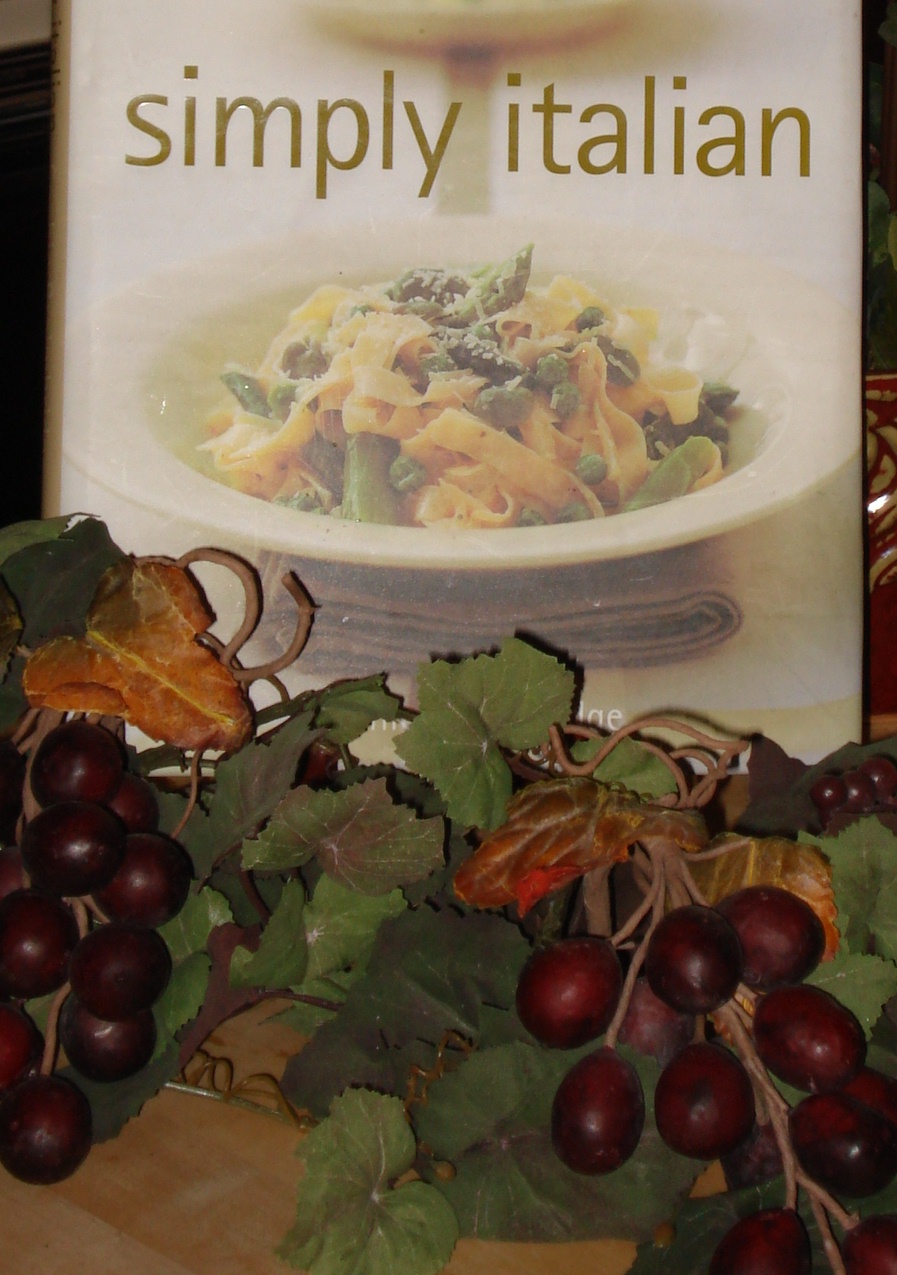
  After recently reading an interesting article on “The Benefits of Sleep”,  I reflected on the time that I lived in Italy.  Certain facts about various diets and their cultures should be embraced and put into practice .  Although diet is an important factor when it comes to longevity,  it also seems that other variables, such as sleep need to be considered as well. Is it possible that these populations within Italy, Costa Rica, Japan and Greece, which have been linked to longevity, diet, beauty, health and memory could know something about the benefits of sleep? 

Sleep is something valued and apart of their daily routines and according to the study an attribute to longevity.  The work day in Latin cultures begin between 8-9 am.  Lunch is at 1-2 pm followed by a “siesta”, with their workday being recommenced at 4-4:30pm.  They return home for a walk at 8-8:30 pm and a small dinner at 9-9:30 pm.  Of course, certain industrialized cities may require you to skip your siesta and to work  from  9 am -7 pm.  The purpose of sleep and reduced stress is valued nonetheless.

Sleep is also linked to proper nutritional intake.  For example, the two hormones affected by sleep deprivation are related to eating: gherlin, which tells you to eat and leptin, which tells you when you are full!  Lack of sleep will confuse the hormones and you will overeat, because of the decrease in leptin function.  Additionally, cortisol levels increase and your metabolism slows down.

Dr. Michael Breus PhD and author of “Beauty Sleep”, discusses the fact of sleep deprivation halting the nutrients level of activity in the skin, therefore, you wake up pale and washed out.  While sleeping, the growth hormone is performing tissue and cellular repair, allowing for a decreased amount of wrinkles and and attribution to looking refreshed.

Other studies have shown an 21% increase in mortality rates of women who did not get 7-8 hours of sleep.  Research reveals that decreased sleep is linked to high blood pressure, diabetes and depression.

Scientists have suggested that sleep allows for your brain to “sort out short-term memories into other areas so that it’s ready to take in more the next day. It maybe the way the brain rebuilds  and strengthens it’s circuits says neuro-scientist Marcos Frank PhD.

So what do you think about sleep and how does it positively or negatively effect your life and daily routines?

By Kimberly Crocker

Interested in entertaining Spanish discussions please click here

Chicken and Dumplings (reduced-sodium)

Easy Chicken and Dumplings

2 Tbsp. flour

1 cup cooked chicken, diced

2 Tbsp. water

1/4 tsp. Mrs. Dash salt substitute

1 cup Very-low Sodium chicken broth granules

Dash pepper

Mix the flour and water in a pan until smooth.

Slowly stir in broth.

Cook over medium heat until thickened.

Add chicken, salt and pepper.

Drop dumpling dough from a tablespoon onto gently boiling mixture, making 4 dumplings.

Cover pan tightly and cook slowly for 15 minutes without lifting the lid.

Serves 2.

 Dumplings:

1/3 cup flour

1/4 tsp. Mrs. Dash salt substitute

1/2 tsp. baking powder

2 Tbsp. milk

Combine flour baking powder and salt in a small bowl. Stir in milk until dough forms.

NUTRITION FACTS (per serving) – Calories 300 ~ fat 11 g ~ calories from fat 100 ~ sodium 250 mg ~total carbohydrate 23 g

Pita Pocket Tacos

Pita Pocket Tacos can be made as a delicious vegetable or a meaty meal. Spray with a lime wedge to bring out the many flavors!

1/2 pound lean ground meat 2 Tbsp. water (optional)

1/2 cup yellow pepper, sliced

2 Tbsp. tomato sauce

1/2 cup onion

1/8 tsp ground cumin

1/4 tsp. salt 

1/2 garlic clove, minced

Chopped finely 2 ounces low fat Monterey Jack cheese

Lettuce, shredded

1 Tomato, chopped

1 Avocado diced

1 pocket (pita) bread, cut in half

Brown ground meat and drain off fat.

Add onions, pepper and salt; cook until tender, about 10 minutes.

Combine garlic and cumin together. Add water to garlic and cumin, stir, then add to browned meat.

Stir in tomato sauce.

Simmer on low heat for about 10 minutes.

Warm pocket bread in toaster or oven.

Stuff with ground meat mixture and garnish with lettuce, tomato, avocado and low fat cheese. Serves 2.

NUTRITION FACTS (per serving) – Calories 480 ~ fat 25 g ~ calories from fat 230 ~ sodium 285 mg ~total carbohydrate 29 g

Dietary Serving Guidelines

Dietary Serving Guidelines

The Pyramid Diet
This is the diet developed by the USDA to satisfy the nutritional requirements of most Americans.

Servings Defined:

Fruits and Vegetables 1/2 cup = 1 Serving

Fats/ Oils 1 tbsp = 1 Serving

Meat, Fish, Poultry 4-6 oz = 1 Serving

Glass of Milk or Water 8 oz =1 Serving

Juice 4 oz= 1 Serving

Recommended Daily Nutritional Intake

0-3 servings (use sparingly) fats, oils, sweets
2-3 servings (6 – 9 ounces) meat/protein
2-3 servings dairy
2-4 servings fruit
3-5 servings vegetables
6-11 servings bread/starch

Fluids are equally important to a successful diet. Add 1-2 glasses of water with 1/2 to 1 whole lemon each day. Also drink 1-2 cups of Oolong tea each day. Oolong tea burns over 157% more fat than Green Tea and has become the most popular tea designed to accelerate weigh loss.

In order to lose weight, you must take in fewer calories than you burn off each day. According to the USDA pamphlet, a sedentary woman and older people may only expend 1600 calories per day, while active men and very active women may burn 2800 calories per day – twice as much.
If your goal is to lose weight and you do not see changes just with increased physical activity, then reducing portions and servings may help, while still using the pyramid as a guide.

1200 Calorie Diet
6 oz. lean meat/protein
5 servings bread/starch
3 servings fruit
4 or more servings vegetables
2 servings dairy (low fat preferred)
3 servings fat

1500 Calorie Diet
6 oz. lean meat/protein
6 servings bread/starch
4 servings fruit
5 or more servings vegetables
2 servings dairy (low fat preferred)
3 servings fat

Daily Serving Logs
A key to losing wait and monitoring food intake is simple by keeping a Food Journal in which you write and mark your servings as you eat throughout each day.

Note: These diets are weight management tools for normally healthy adults. Consult with your medical provider to see if a reduced calorie diet is appropriate for your health before you change your diet. People with diabetes, pregnant women, children under 16, and those with an eating disorder are strongly cautioned to seek medical advice before modifying their diet. A registered dietitian is your best resource to counsel you on how to modify your diet for the best individual results. In the US, you can locate a dietitian through the Academy of Nutrition and Dietetics.

A special thank you to the USDA and about.com for the links and information used on this blog.