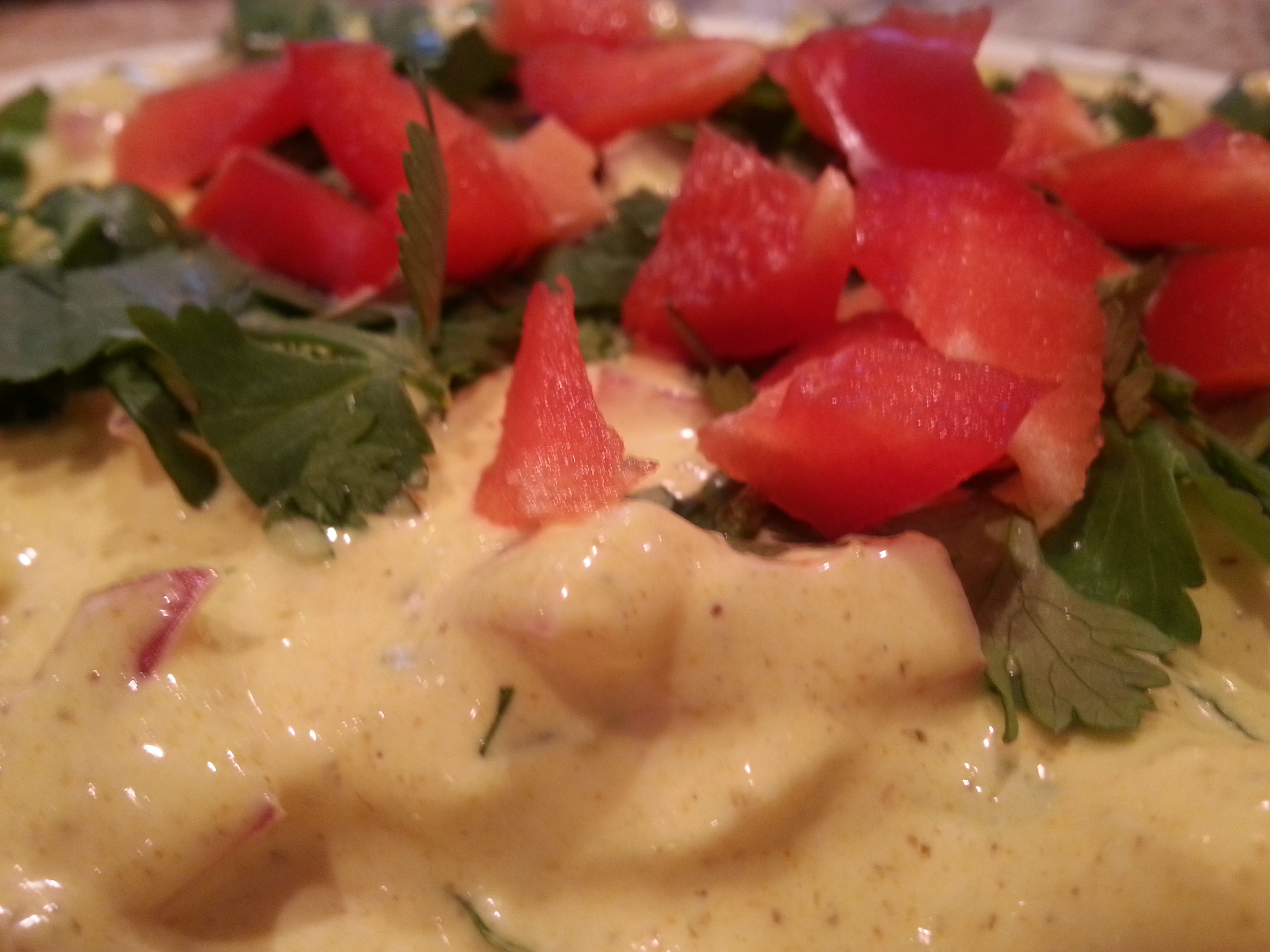
Chicken Curry Salad

Curry Chicken Salad

Curry Chicken Salad

A healthy dish that can be served on a sandwich or on a salad.  Boost your immune system with presence of turmeric, garlic, and chicken by eating this savory dish at lunch or dinner. Easy to prepare, Chicken Curry Salad can be consumed over 48 hours time, or may be frozen and thawed at room temperature.

In a frying pan combine:

2 pounds of chicken breasts cut and cubed
3/4 tsp white vinegar
1 1/2 tsp fresh lemon juice
1 tsp minced garlic
2 TBSP chopped parsley
1/2 tsp pepper
2 TBSP Olive Oil

Cover pan and place on medium heat cooking the chicken for about 12 minutes on medium heat. Remove and allow to cool. Drain juice from chicken once cooled.

Meanwhile in a large bowl add:
1 1/4 cup celery diced
3/4 cup red pepper diced (reserve 1/4 cup for topping the salad)
1/4 cup chopped walnuts
1 1/2 cups mayonnaise (light)
1 TBSP curry (Turmeric is part of the curry mixture bought in USA grocers)
1 tsp ground cumin (may add an additional 1/2 tsp for a spicier flavor)
1 1/2 tsp salt
1/2 tsp red pepper flakes

Presentation
1/4 chopped cilantro
1/4 cup diced peppers

Stir all ingredients with a wooden spoon until well blended. Add cooked and drained chicken cubes to mayonnaise mixture. Top off with cilantro and then add diced red peppers on top of the chicken for a nice presentation.
Cover and place on lowest shelf in the refrigerator. Can be stored in refrigerator and served up to 48 hours after preparation.

Chard or Kale Saute`

Saute` Kale topped off with parmesan cheese and pine nuts.

3 Cheers for Cruciferous Vegetables! They are proving to be an added health factor in dietary intake. Exciting studies link the kale power house to inhibiting tumor growth “at the top of the cancer-related research for colon cancer and breast cancer, but risk of bladder cancer, prostate cancer, and ovarian cancer have all been found to decrease in relationship to routine intake of kale.”  While all of this is promising, it is also important to note that some digestive tracks can be more sensitive to the the large amount of Vitamin K and fiber that is present, and therefore is linked to diarrhea as a side effect of kale.

The AARP promotes Kale for nutrition and age related disease, stating the 4 following facts:

“For your eyes: Kale is high in lutein and zeaxanthin, phytochemicals found in the retina, which could help reduce the risk of macular degeneration, the leading cause of blindness in older people. The American Macular Degeneration Foundation says research has indicated that eating red, orange, yellow and dark green fruits and vegetables, which are high in phytochemicals, seems to have a protective effect against vision loss.

For your immune system: Kale is rich in beta-carotene (vitamin A), a powerful antioxidant that may help boost the immune system and possibly protect against some chronic diseases and cancer. At least one study also found that long-term consumption of beta-carotene had cognitive benefits.

For your bones: Kale is is one of the few vegetables with a decent amount of calcium, but it’s especially high inmagnesium — just a cup contains 40 percent of the RDA — which is very important for bone health and to protect against osteoporosis. Magnesium has a crucial job working with vitamin D to help your bones absorb calcium. In addition, research has shown that the vitamin K in kale also contributes to bone health by improving bone density.

For your heart: While recent studies have found that antioxidant supplements, like vitamin E pills, don’t protect against heart disease, foods like kale that are naturally high in antioxidants are definitely heart-healthy, says the Cleveland Clinic. Plus, kale’s magnesium and potassium help lower blood pressure, and its high fiber content can help lower cholesterol — all beneficial factors in lowering your risk of cardiovascular illness.”

Kale maybe substituted for a variety of spinach dishes. Steamed and sautéed are the optimal way to maximize the nutrients within kale and let it work for your body. However, it can be boiled and then seasoned with olive oil, salt and pepper and served on the side.

Green or Cruciferous Vegetables of all types are a key source of specialized chemical signals that our immune systems use to self-communicate. Four servings of cruciferous foods throughout the week will enrich the overall health of your body and promotes a sound mind.

INGREDIENTS  1 bunch is 6 servings

  • 1/3 cup olive oil
  • 1 garlic clove minced
  • 1 onion thinly sliced
  • 1 bunch of Kale (cut into bite size pieces.)
  • 1/8 teaspoon salt  to taste
  • 1/4 cup water
  • 6 Tablespoons parmesan cheese (optional)
  • 6 teaspoons pine nuts (optional)

In a frying pan add olive oil, garlic and onion. Place on medium heat and allow

Saute` onion and garlic in olive oil for 5 minutes.

onion to turn translucent, about 5 minutes. Meanwhile,  wash kale leaves and remove access water. Cut leaves into bite size pieces. (May remove or keep center stem.) Add kale to frying pan, rotate leaves, combining with oil until well coated, add salt, reduce temperature to medium low, add water. Cover and allow to cook for 5 minutes. Serve on side of meal by itself or with parmesan cheese and pine nuts.

By: Kimberly Crocker Scardicchio

References

  • AARP “Hail Kale why you should….eat it” http://blog.aarp.org/2013/03/25/hail-kale-why-you-should-or-shouldnt-eat-it/
  • Indole-3-carbinol inhibits the expression of cyclin-dependent kinase-6 and induces a G1 cell cycle arrest of humanbreast cancer cells independent of estrogen receptor signaling.  http://www.ncbi.nlm.nih.gov/pubmed/9461564      “A component of cruciferous foods inhibits growth of mammary tumors”.
  • Ambrosone CB, Tang L. Cruciferous vegetable intake and cancer prevention: role of nutrigenetics. Cancer Prev Res (Phila Pa). 2009 Apr;2(4):298-300. 2009.
  • Angeloni C, Leoncini E, Malaguti M, et al. Modulation of phase II enzymes by sulforaphane: implications for its cardioprotective potential. J Agric Food Chem. 2009 Jun 24;57(12):5615-22. 2009.
  • Banerjee S, Wang Z, Kong D, et al. 3,3′-Diindolylmethane enhances chemosensitivity of multiple chemotherapeutic agents in pancreatic cancer. 3,3′-Diindolylmethane enhances chemosensitivity of multiple chemotherapeutic agents in pancreatic cancer. 2009.
  • Bhattacharya A, Tang L, Li Y, et al. Inhibition of bladder cancer development by allyl isothiocyanate. Carcinogenesis. 2010 Feb;31(2):281-6. 2010.
  • Bryant CS, Kumar S, Chamala S, et al. Sulforaphane induces cell cycle arrest by protecting RB-E2F-1 complex in epithelial ovarian cancer cells. Molecular Cancer 2010, 9:47. 2010.
  • Carpenter CL, Yu MC, and London SJ. Dietary isothiocyanates, glutathione S-transferase M1 (GSTM1), and lung cancer risk in African Americans and Caucasians from Los Angeles County, California. Nutr Cancer. 2009;61(4):492-9. 2009.
  • Christopher B, Sanjeez K, Sreedhar C, et al. Sulforaphane induces cell cycle arrest by protecting RB-E2F-1 complex in epithelial ovarian cancer cells. Molecular Cancer Year: 2010 Vol: 9 Issue: 1 Pages/record No.: 47. 2010.
  • http://www.whfoods.com/genpage.php?tname=foodspice&dbid=38

Salt, Sugar, Fat, Alcohol

Know your numbers, improve your health.

How well do you know: Salt, Sugar, Fat and Alcohol?
All are tasty! Consumption of Salt, Sugar & Alcohol should be enjoyed in moderation.  All three can bring satisfaction and too much can have a negative effect on an individual, promoting health problems.

Salt will lead to hypertension. Reduce your risk of high blood pressure, look for salt that is hidden in: can foods, soy sauce, chicken and meats (injected with saline water), salad dressing, cheese, fast foods, and prepared frozen foods.  Daily recommendation of sodium  consumption is no more than 2.3 grams per day (1/2 teaspoon) and 1.5 grams for those over 51 years old.

Sodium levels reflected in a blood draw should be 135-145 mEq/L. Increased levels are linked to dehydration or renal (kidney) disease. Decreased levels are indicative of heart failure or edema. An individual that suffers from hypertension is strongly encouraged to follow the DASH Diet, designed to promote a low sodium diet and promotes overall wellness.

Sugar as we know and enjoy it! What other forms of sugar do you consume?

Sugar comes in many forms. A few common names are: sucrose (white), fructose (fruits and veggies), lactose (milk) and glucose (fuel for  our body’s energy). Studies of how sugar impacts both individuals and society are being conducted. For now, (within the context of healthy eating) studies show that sugar does not raise blood glucose any more quickly than do other starchy carbohydrates such as potatoes, rice, or pasta. Keep in mind, it is ones best interest to consume fruit, vegetable and grain carbohydrates as the element of fiber (both soluble and insoluble) will stabilize blood glucose levels by ridding the body of what is not important.

  • Fasting glucose normal levels 70-99 mg/dl.
  • Pre-diabetes 100-125 mg/dl.
  • Diabetes  >125 mg/dl.
  • Numbers that are over 125 mg/dl will prompt your doctor to ask you to return on a different day to draw blood a second time to better regulate the glucose levels.
  • Talk with your Doctor, Dietitian, or Diabetes Educator about obtaining optimal glucose levels by following  a balanced meal plan
Oil is a healthy fat that keeps the body well lubricated.

Oil is a healthy fat that keeps the body well lubricated.

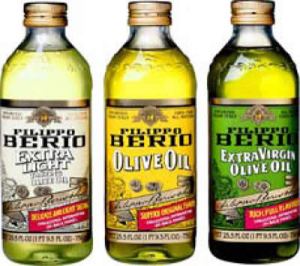
Fats, when possible, should be consumed in liquid (unsaturated) form at room temperature. Olive Oil is an example of a healthy fat and lubricant for veins, arteries and organs. The presence of fat assists fat soluble vitamins with digestion and are stored in the liver. 3-4 tablespoons a day will keep the body healthy.

The Meditarranean Diet is an easy lifestyle to follow and allows for an individual to enjoy a wide variety of foods.

Reduced amounts of meats should be consumed 3 times a week, 4 ounces/day. Fish is light, easy to digest and contributes to raising healthy (HDL) cholesterol and lowering lousy (LDL) cholesterol. Enjoy fish 4 times a week! Solid fats (saturated) like cheese and butter should be consumed in lesser amounts of 1 ounce a day for cheese and 2 eight ounce glasses of 1% milk of choice (almond, cow or soy).

Ideal Cholesterol & Triglyceride Numbers
HDL cholesterol 40-60 mg/dl.
LDL cholesterol <100-129 mg/dl
Triglycerides <150 mg/dl

Wine in moderation is good for the body.

Wine in moderation is good for the body.

Alcohol
Alcohol can make your blood sugar levels fall too low and put you at risk of hypoglycemia, so people with diabetes are advised to drink alcohol with a meal or snack and not by itself.
Alcoholic beverages and drink mixers contain sugar and carbohydrates, so they must be figured into your overall meal plan. Your body will burn the alcohol as a source of fuel instead of burning fat.
If you use insulin, limit alcohol to two drinks per day.  Consume alcoholic drinks only with a meal or snack, and do not reduce your usual amount of carbohydrate.

Alcoholism is determined through a blood draw. A quick look at potassium levels maybe an indication of kidney or heart problems. Lower levels or potassium  is also a clue to a problem with alcoholism.  Potassium levels should be 3.6-5 mEq/L.

All our favorite vices can be included in our daily diet. Done in moderation, we can benefit from the joy of having them, but excessive consumption can damage our organs. Monitor your blood draw by requesting a copy of your blood results and know your numbers to stay healthy.

Kimberly Crocker-Scardicchio

References
Sugar and Diabetes  http://www.bddiabetes.com/us/main.aspx?cat=1&id=274
Fiber stabilizes blood glucose http://www.ncbi.nlm.nih.gov/pubmed/15173415
Reference Range for Blood Draw http://labtestsonline.org/understanding/features/ref-ranges/

Nutrition for the Colon

An abundance of flavonoids from fruits and vegetables are the best way to nourish the colon. Specifically, tomatoes, sauces, and salsa are cleansing and important for colon health.

Each organ must be properly nourished and cared for through daily meals, snacks and beverages. Likewise, each organ has a list of foods to avoid that have demonstrated the ability to inflict harm,  lead to malabsorption, food intolerance, disease, or cancer. It is important to note that there are variables to colon health, in addition to nutrition, which should all be discussed with your doctor.  (Genetics, Habits, Lifestyle, Vices)

The colon (large intestine) functions as an internal sewage system, has 4 sections and connects to the anus for excretion of feces.

The Large Intestine, or Colon, has four sections: the ascending colon, the transverse colon, the descending colon and the sigmoid colon. It is about 6 ft in length and due to its diameter in width, it is called the large intestine ending at the anus where the feces is excreted. The small intestine is 26 ft in length and much smaller in diameter and therefore, bears the name of small intestine.

The purpose of the large intestine is to carry the sewage (digested or undigested foods) from our bodies.  As modern society has “developed”, the food consumption has changed from: fruit, vegetables, meat, poultry, fish, and oils, to food that has been engineered such as: cookies, chips, candy, and soda.

Toxins and Mucus.  The human body was not designed to digest toxin filled foods. When consuming harmful foods, a signal is sent from the stomach, to the intestine, to alert the colon as to what is coming down the line.  The colon produces a mucus to protect itself from the harmful foods and toxins.  Overtime an accumulated thick layer of hardened mucus has lined the colon that can weigh between 5-11 pounds! The mucus production should disintegrate on its own through occasional use, over use leads to toxemia and disease.

Weight Loss.  Choosing to “diet” can further a problem by introducing fruits and vegetables  to an already blocked system.  Before changing eating habits, a doctor may advice the patient to fast and then to flush their bodies of the toxins by taking a laxative (colenema). This is a safe cleansing that can be done in the privacy of one’s bathroom.  For a natural cleansing: Cut a lemon in half, squeeze the juice of both lemon halves into a glass of water.  Drink twice a day; once in the morning and after dinner. (Just as a car engine would not have new oil added to the old filthy built up oil, a clean engine is often the best way to begin a new dietary lifestyle.)

American Cancer Society Identifies Risk Factors

Type 2 Diabetes.   According to the American Cancer Society, “People with type 2 (usually non-insulin dependent) diabetes have an increased risk of developing colorectal cancer. Both type 2 diabetes and colorectal cancer share some of the same risk factors (such as excess weight). But even after taking these factors into account, people with type 2 diabetes still have an increased risk. They also tend to have a less favorable prognosis (outlook) after diagnosis. Nourish the Colon with optimal choices.”

Genetics: Increased risk factor is tied to familial Colon cancer “with a history of colorectal cancer in one or more first-degree relatives (parents, siblings, or children) are at increased risk. The risk is about doubled in those with a single affected first-degree relative. It is even higher if the first-degree relative was diagnosed when they were younger than 45, or if more than one first-degree relative is affected.

People with a family history of adenomatous polyps or colorectal cancer should talk with their doctor about screening before age 50. If you have had adenomatous polyps or colorectal cancer, it’s important to tell your close relatives so that they can pass along that information to their doctors and start screening at the right age.”

Familial adenomatous polyposis (FAP): “FAP is caused by changes (mutations) in the APC gene that a person inherits from his or her parents. About 1% of all colorectal cancers are due to FAP.

People with this disease typically develop hundreds or thousands of polyps in their colon and rectum, usually in their teens or early adulthood. Cancer usually develops in 1 or more of these polyps as early as age 20. By age 40, almost all people with this disorder will have developed colon cancer if the colon isn’t removed first to prevent it.

Gardner syndrome is a type of FAP that also involves benign (non-cancerous) tumors of the skin, soft connective tissue, and bones.”

Hereditary non-polyposis colon cancer (HNPCC): “HNPCC, also known as Lynch syndrome, accounts for about 2% to 4% of all colorectal cancers.  The cancers in this syndrome also develop when people are relatively young. People with HNPCC can have polyps, but they only have a few, not hundreds as in FAP. The lifetime risk of colorectal cancer in people with this condition may be as high as 80%.

Women with this condition also have a very high risk of developing cancer of the endometrium (lining of the uterus). Other cancers linked with HNPCC include cancer of the ovary, stomach, small bowel, pancreas, kidney, brain, ureters (tubes that carry urine from the kidneys to the bladder), and bile duct.”

Recommended Dietary Intake

  • Water, or water with juice of fresh lemon twice a day
  • 2-3 cups Green Tea (decaffeinated) a day
  • Daily Aspirin
  • Raw Plant Foods (fruits and vegetables)
  • Aloe Vera (beverage) http://aloe-verajuice.com/
  • Broccoli & Kale. Butyrate is formed in the colon through bacteria fermentation, in the presence of carbohydrates rich in fiber.  Known to have a number of anti cancer effects, certain foods  are recommended for preventative colon care.
  • Sweet Potatoes (Vitamin A, C, E, Pantothenic Acid, Manganese, Phytosterols) increased motility of bowels so toxins move quickly through, protection against cellular mutation.
  • Mushrooms, Onion, Garlic allows for the immune system to work more aggressively.
  • Yogurt:  Returns balance of healthy bacteria and resident flora, which promotes bowel movements and waste elimination.  Yogurt is rich in Vitamin D and Calcium, both are imperative to organ health.
  • Tuna (Omega 3 for cellular reparation)
  • Turmeric (gives color to Curry. Can be placed into a spice shaker and used on vegetables, soups, salads, poultry, fish, pasta, rice) anti-carcinogenic
  • Cinnamon: anti carcinogenic
  • Dried Fruit, Beans, Brown Rice all have fiber that remove toxins from the intestine.
  • Flavonoids are antioxidants and should be consumed daily; found in all fruits, vegetables, herbs, spices
  • Foods that produce Butyrate to remove toxins are: green vegetables, beans, nuts, seeds, sweet potatoes, whole grains.

What has shown to Harm the Colon should be Avoided or limited.

  • Red Meat (1’c a month: Men 3 ounces and Women 2 ounces)
  • Lamb (1’c a month reduced amounts)
  • Pork (1’c a month reduced amounts)
  • Processed Meats
  • Excessive Processed, Snacks, & Fried Foods
  • Alcohol (1 glass of wine or 1 beer once a week)
  • Smoking (Avoid!)

What has been linked to Polyps

  • Over cooked foods
  • Dairy, Cheese (no more than 1 ounce 3 times a week)
  • Red Meats
  • Fried Foods
  • Processed Foods (chips, crackers, candy, cookies, fried foods)

Foods to Avoid if a colostomy has been performed

  • Asparagus
  • Beans
  • Broccoli
  • Celery
  • Corn
  • Nuts
  • Seeds
  • Popcorn
  • Raw onions or raw garlic

Nutrient balance is critical to colon health. The daily recommended intake (DRI) of 4 servings of fruits and 5 servings of vegetables, Vitamin D and calcium all promote healthy organs.

Families who have a history of colorectal or colon cancer should discuss genetic testing and review a dietary and exercise plan with their doctor.

Kimberly Crocker-Scardicchio BASC DTR

References

3.5 Times Better vs Average Diet….YOUR SUCCESS!

3.5 TIMES BETTER THAN THE AVERAGE DIET!!!

Those are OUR numbers… Your Trust Means Your Success!   THANK YOU to 100% of my dietary consults. CONGRATULATIONS to the 70% who successfully completed 3 months to obtain a new Lifestyle!

A recent study released by a UK food company challenged me to address the program that I have set forth for my dietary consults and I was pleased to see the impact of the Mediterranean Lifestyle.  (UK & USA have similar dietary habits so the relevancy will produce more research in the states.)

Promoting longevity and a healthier lifestyle for others is paramount in my approach to coaching others to nurturing a long term habit, while avoiding the pitfall of a quick tip to a short term weight loss.  Slow and steady are the results that individual notes weeks, months, and years later as maintenance is easy to do, because adaptation to nutritional intake becomes the new norm. http://eatknowhow.com/personal-consultation/

The individualized Mediterranean Lifestyle that I set forth for my clients is tailored for that person’s dietary needs, and it is performing at a FANTASTIC rate compared to other “diets”. We are doing 3.5 TIMES better than those who pursue other types of diets!

A UK food company surveyed dieters, finding 2 indivduals out of 5 quit within the first 7 days! 1 person out of 5 complete one month, the number does not change in reaching 3 months of practicing the new diet. In conclusion, only 20% of individuals keep their commitment to an improved lifestyle.

The cooking classes provide a support system to the “Lifestyle” that is set forth for dietary consults and for those who want to improve on familial / individual nutritional habits.

Fall classes are back in session please check the following link to so that you may set up attendance or for open or private sessions.  http://eatknowhow.com/classes/

Grateful for your trust,
~Kim

Kimberly Crocker-Scardicchio BASC DTR

REFERENCES

USA Article Published September 19, 2013: Cynthia Sass MPH RD
Original UK Article September 16, 2013: